Quechua, in the Cusco-Collao variety, from the legislature's own Christmas greeting: «Congresomantapacha Kusi p’unchaw Navidad nisqatam mast’arimuyku.» The Congress published the same wish in three Quechua varieties and they are not interchangeable — Áncash says «Shumaq navidad llapaykipaq katsun» and chanka «kusikuy navidad kananta munaniku» — which is the ordinary condition of a language with millions of speakers across a thousand kilometres of mountains.
The Rooster's Mass is at seven in the evening, and a century ago it was at midnight
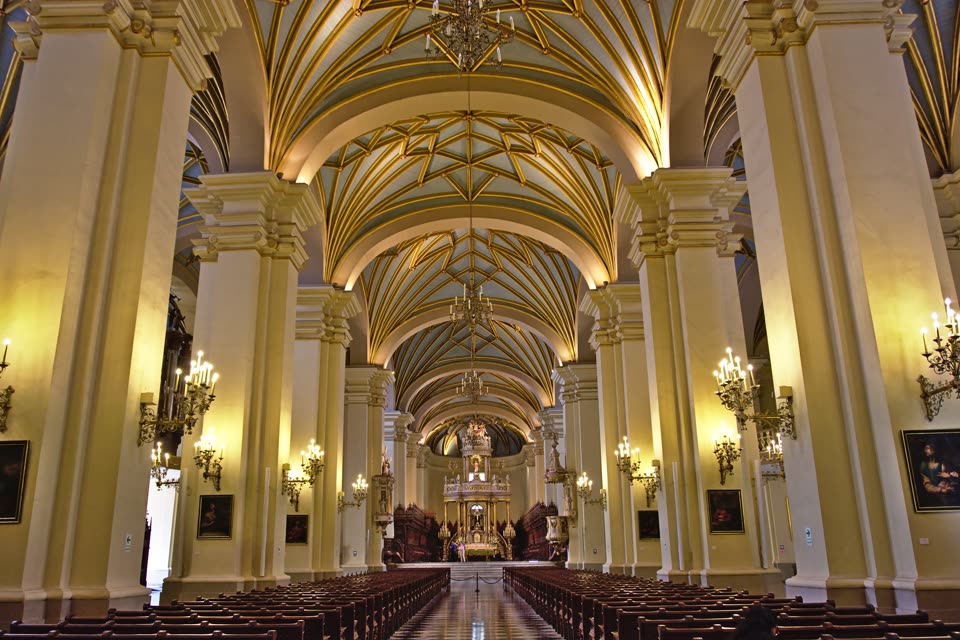
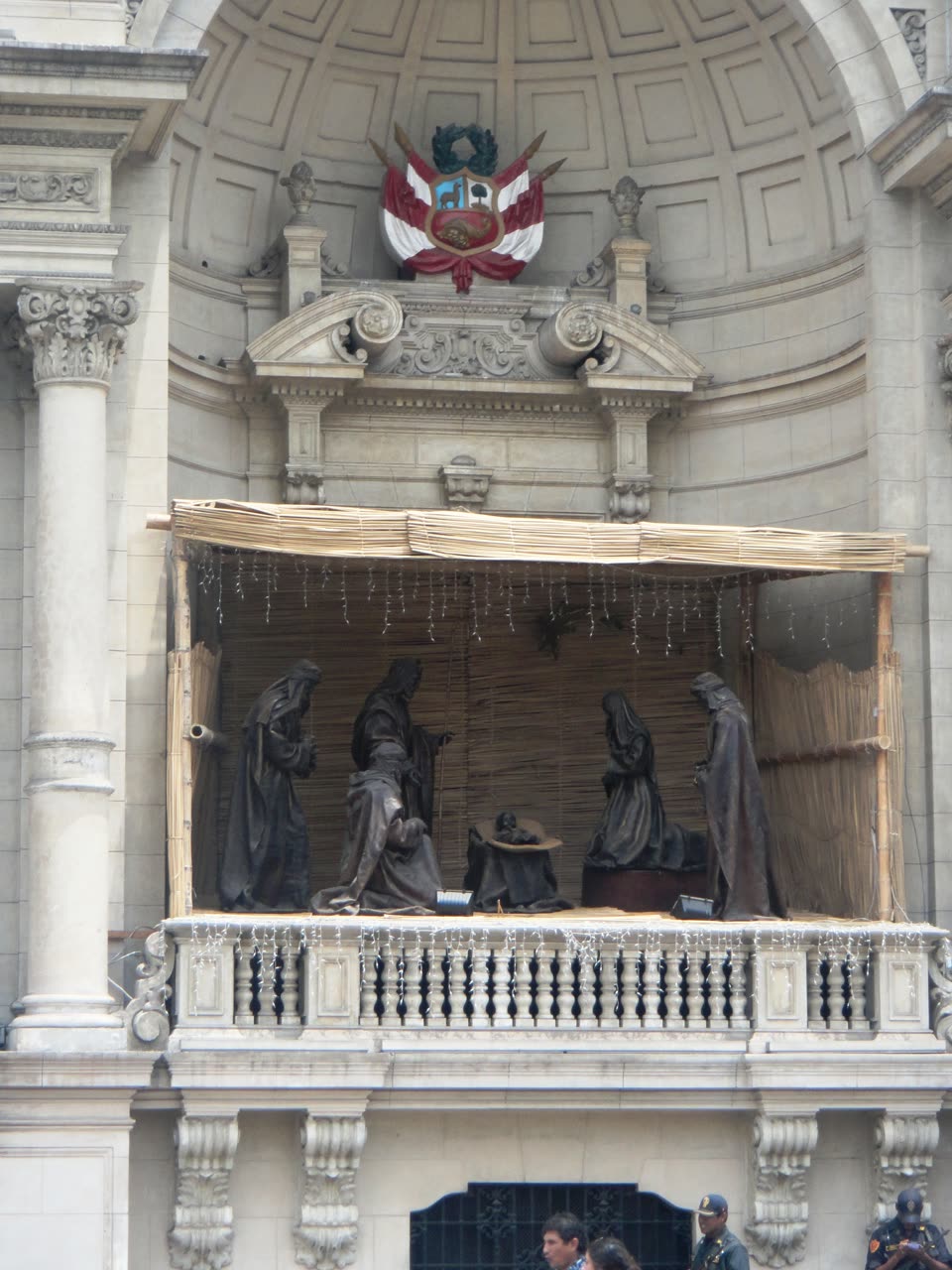
The Misa de Gallo belongs to the night of the 24th, and the hour has moved. In 2023 Lima Cathedral announced two Masses for that Sunday: the fourth of Advent at eleven in the morning, and «la tradicional Misa de Gallo (7:00 pm)».
A hundred years earlier it was what its name says. The historian Juan José Pacheco Ibarra describes the Lima of the early 1900s: «a la medianoche del 25 de diciembre los adultos se instalaban en los asientos de la Catedral de Lima. Desde ahí escuchaban atentos la misa de gallo. Luego, participaban en las tertulias que se organizaban en la Plaza Mayor» — and the square afterwards meant zamacueca in the street and chicharrón, escabeche, tamales, humitas and picarones at tables set out in the Plaza de Armas.
One cathedral in one year is not a national timetable, and parish hours differ.
A chocolatada is not a drink, it is an event, and the dictionary says so
In most of the Spanish-speaking world a chocolatada is a dish: the Léxico oficial of 2014 defines it as a «comida cuyo principal componente es el chocolate caliente». In Peru the word moved. The Diccionario de peruanismos of the Academia Peruana de la Lengua defines it as an «Actividad social navideña, cuyo componente principal es la bebida de chocolate que se toma en taza» — a Christmas social event built around the cup, which companies, districts and parishes hold for children through December.
The linguist Martha Hildebrandt adds the other half of the table: «el chocolate [caliente] generalmente se acompaña de panetón».
Why hot chocolate, in a country where December on the coast is summer, is a question the dictionary does not answer. One popular account traces it to colonial fasting: «su consumo en Navidad se dio debido a que durante los 24 de diciembre de aquellas épocas se ayunaba esperando el 25 de diciembre». The paper that prints it introduces it with «se dice que» — it is said that.
On Christmas Eve the main square of Cusco becomes a fair for selling saints
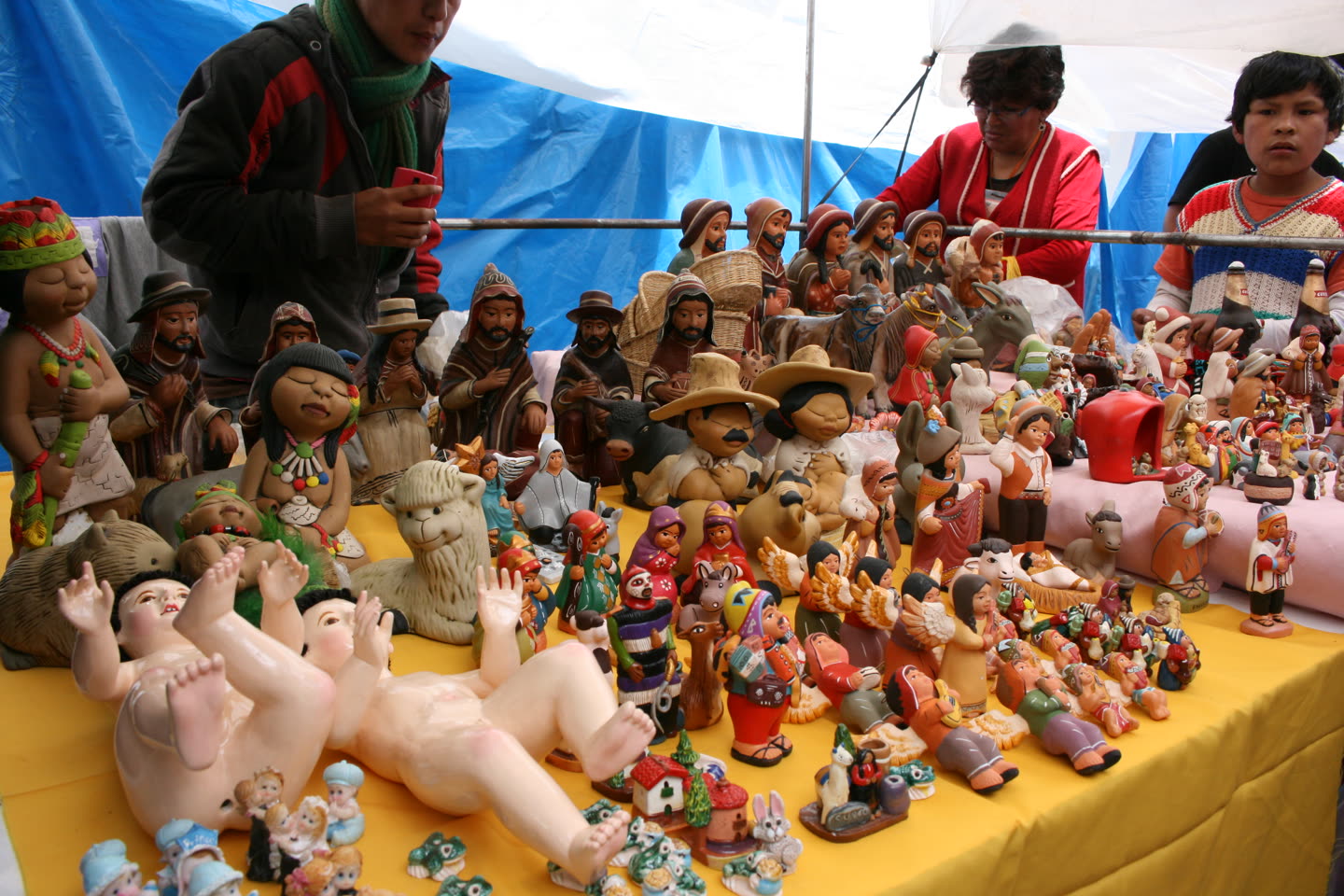
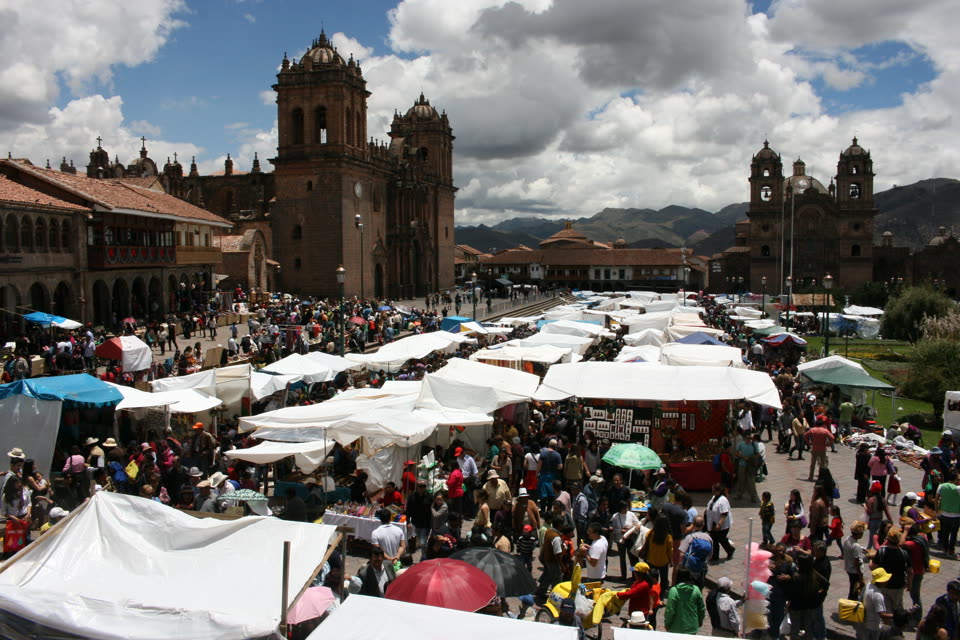
The Santurantikuy fills the Plaza de Armas on 24 December, and the name is a plain description: before it had one, «muchos artesanos venidos de todos los barrios del Cusco y de otros distritos y provincias vendían los Santos y Niños Manuelitos en la Plaza de Armas del Cusco».
What they come for is at the centre of it: «El Niño Manuelito es el personaje central de la feria», and around him the ceramics, tinwork, silverwork and imaginería that dress a Cusco nativity.
Santurantikuy — EMUFEC, the municipal festivals company of Cusco
Cusco
In Chumbivilcas the town has two Christ Childs, one for each half of it, and the fight is part of the feast
In Santo Tomás, in the Cusco province of Chumbivilcas, Christmas runs «entre el 24 y el 26 de diciembre», and the ministry of culture describes what it is organised around: «la celebración de las dos imágenes del Niño Jesús correspondientes a los dos bandos o barrios del pueblo: Niño Jesús de Belén, conocido simplemente como Belén; y la del Niño de Santo Tomás, también llamado Niño». Each side's carguyoq hires huaylía musicians to accompany its people.
Among the things they accompany is the takanakuy, which the ministry defines without flinching and without endorsing: «enfrentamiento ritual que funciona como espacio para probar el valor y resolver conflictos».
What was declared national heritage in 2016 is the huaylía — the music and dance — and not the fighting.
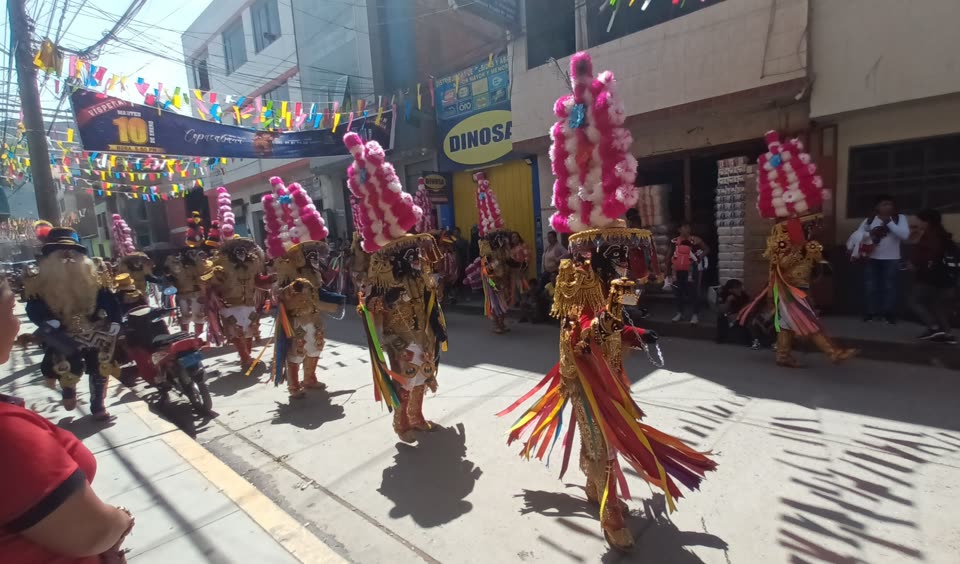
Huánuco's Christmas runs to 19 January and is danced by cuadrillas called the Negritos
The Festividad del Niño Jesús in Huánuco is not a day. The ministry of culture, declaring the dance national heritage in July 2021, dates the feast it belongs to: «Las cuadrillas de Los Negritos de Huánuco tienen un papel protagónico en la Festividad del Niño Jesús que se celebra en la ciudad entre el 24 de diciembre y el 19 de enero, y son emblemáticas en la tradición huanuqueña.»
The dance is about slavery and the ministry says so in the same announcement, describing «el recurso del látigo, que remite al uso de la fuerza por parte del patrón español, tanto sobre los esclavos como sobre las poblaciones nativas sometidas al régimen de servidumbre».
Huánuco promotes the festival as «La Navidad más Grande del Mundo». That is a slogan, and nobody has measured it.
Christmas ends on 6 January by taking the crib apart, and the figures get godparents
The Bajada de Reyes closes the season. Cusco's municipal festivals company describes the national form of it: «en nuestro país la tradición consiste en la celebración que realiza una familia o una comunidad en torno al desarmado del Nacimiento como símbolo de unión y confraternidad».
The older shape of the ceremony puts a name to every piece: «se nombra a padrinos de cada adorno y figuras del nacimiento, procediéndose a bajarlos para guardarlos hasta la próxima Navidad». The radio station that reports it writes part of that in the past tense.
6 January is not a public holiday in Peru, and no Peruvian source makes it the main day for giving presents.
Bajada de Reyes — EMUFEC, the municipal festivals company of Cusco
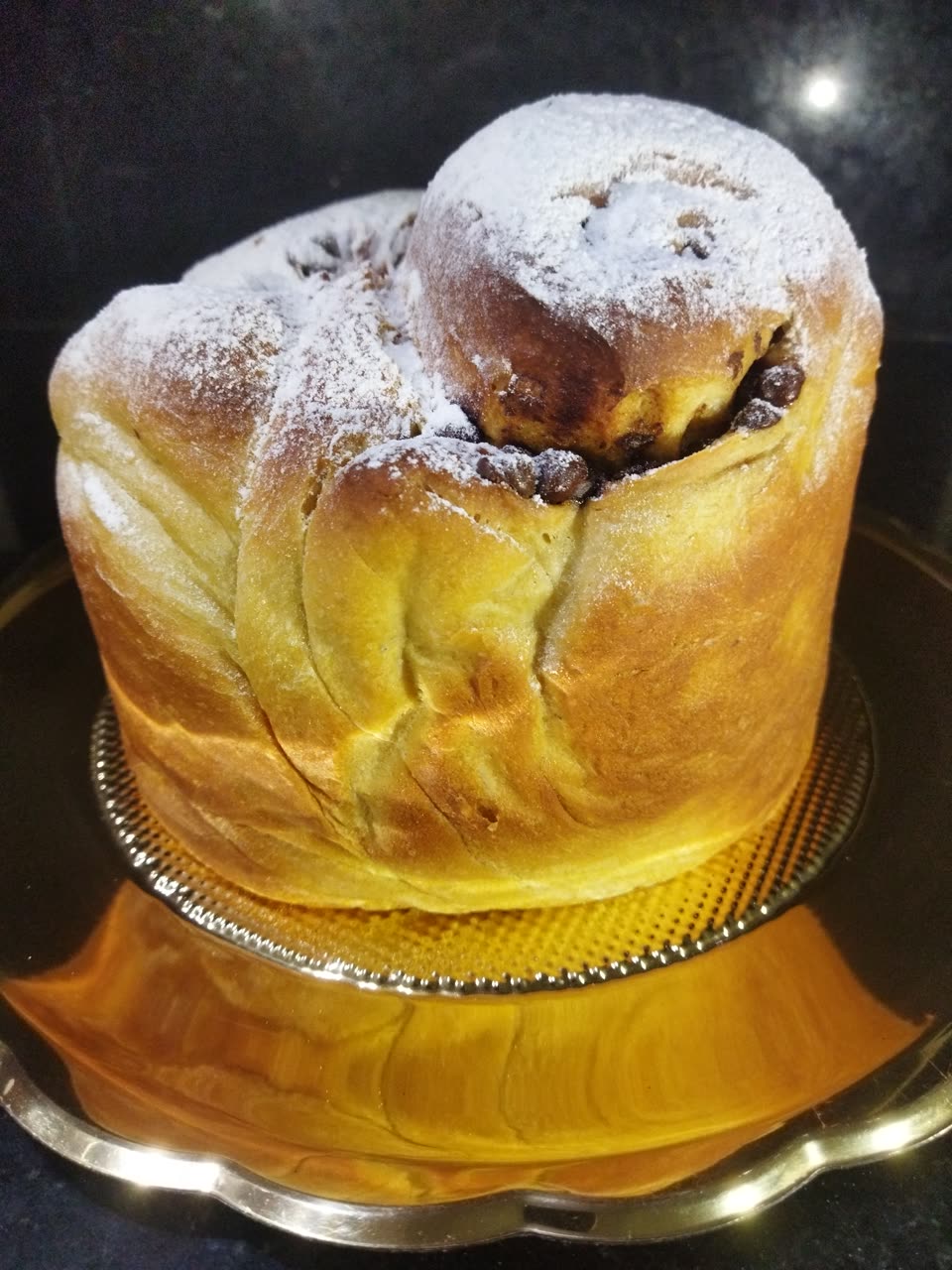
The Milanese loaf is the fixed point of a Peruvian Christmas, and it arrived long before the brand that sells it. The historian Juan José Pacheco Ibarra finds it in Lima under other names after the War of the Pacific: «Al panetón se le llamaba inicialmente “pan dulce de Milán” (chato y sin levadura), “pan navideño” o “pan a la genovesa”», and «A inicios del siglo XX, la mayoría de gente ya comienza a comer el pan dulce de Milán».
It goes with the cup rather than the plate: the Academia Peruana de la Lengua's definition of a chocolatada is built on hot chocolate, and «el chocolate [caliente] generalmente se acompaña de panetón».
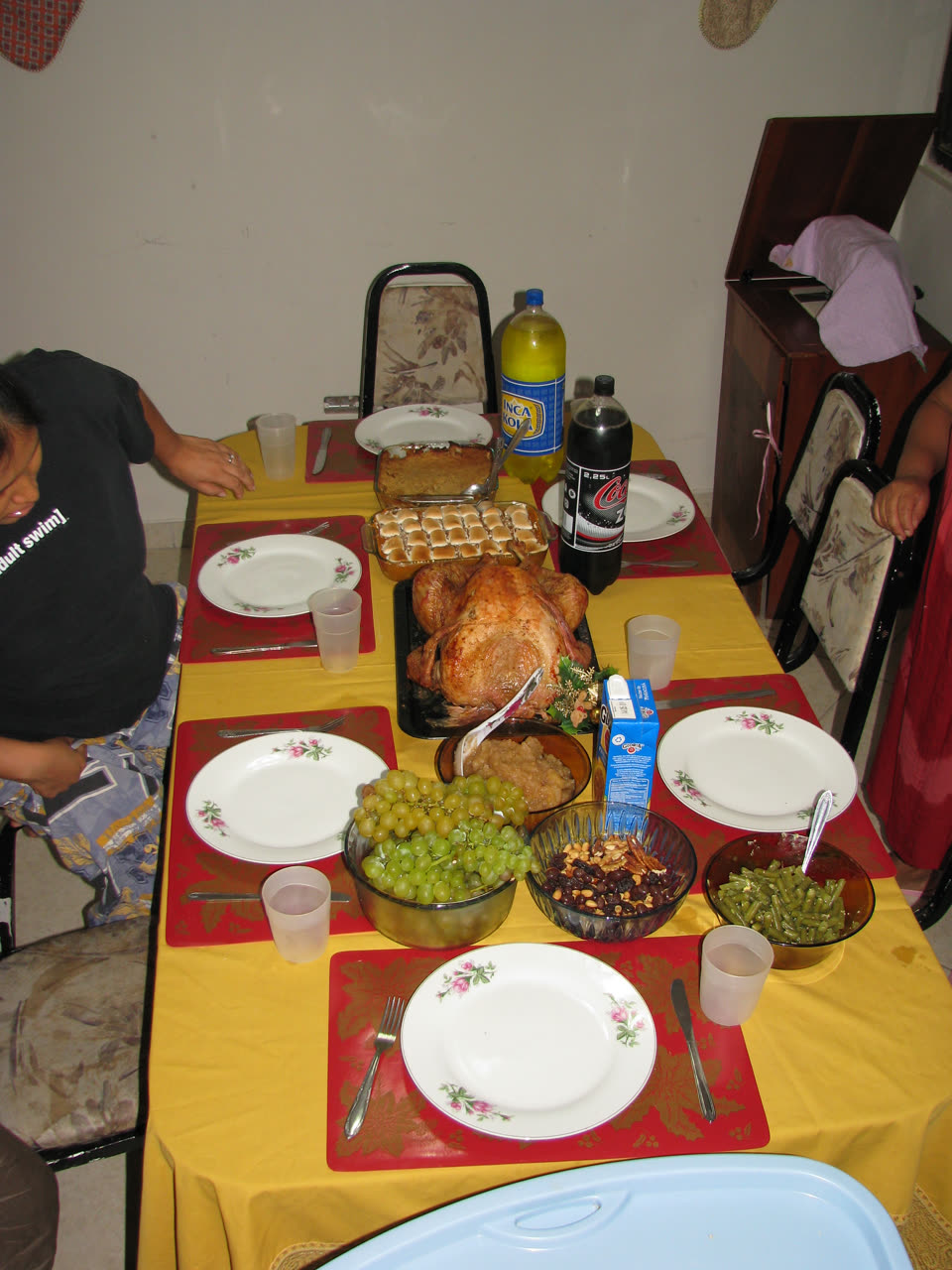
The roast turkey on a Lima table is an import with a date on it. Pacheco: «el pavo empieza a ingresar con más fuerza a las mesas limeñas a partir de 1920, y se populariza a lo largo del oncenio del presidente Augusto B. Leguía (1919-1930), como una tradición originalmente norteamericana.»
El Comercio can show the arrival in its own pages: in an advertisement of 24 December 1933 the bird takes up most of a page — «Una mesa bien servida es el regalo que dará mayor alegría y felicidad a su familia». The drinks changed in the same years, as champagne, sherry and vermouth came to «competir con el pisco puro de Ica, lo que más se tomaba el 24 de diciembre».
This is Lima: both sources describe the capital’s tables, and neither describes anywhere else.
Widely repeated claims about Christmas in Peru that do not survive
checking. Each one says what is actually the case, because a correction
with nothing in its place leaves you worse off than before.
Oversimplified
Panetón came to Peru in the 1950s, when D'Onofrio licensed it from Alemagna of Milan
What is actually the case. That licence is real and it is not the beginning. Infobae reports it precisely: «Esta tendencia se fortificó con la familia D’Onofrio en los años 50, donde Antonio, hijo de Pietro D’Onofrio firmó con la marca de panetones italiana de nombre Alemagna de Milán para producir su patente en Perú» — and the verb is fortificó, strengthened, not started.
Half a century earlier the loaf was already on Lima tables under a different name. The historian Juan José Pacheco Ibarra, reading advertisements and articles published after the War of the Pacific, finds it as «pan dulce de Milán», «pan navideño» or «pan a la genovesa», and says that «a inicios del siglo XX, la mayoría de gente ya comienza a comer el pan dulce de Milán».
So the 1950s are when an industrial Peruvian panetón arrives, and the pastry had been a Lima Christmas habit for two generations before that.
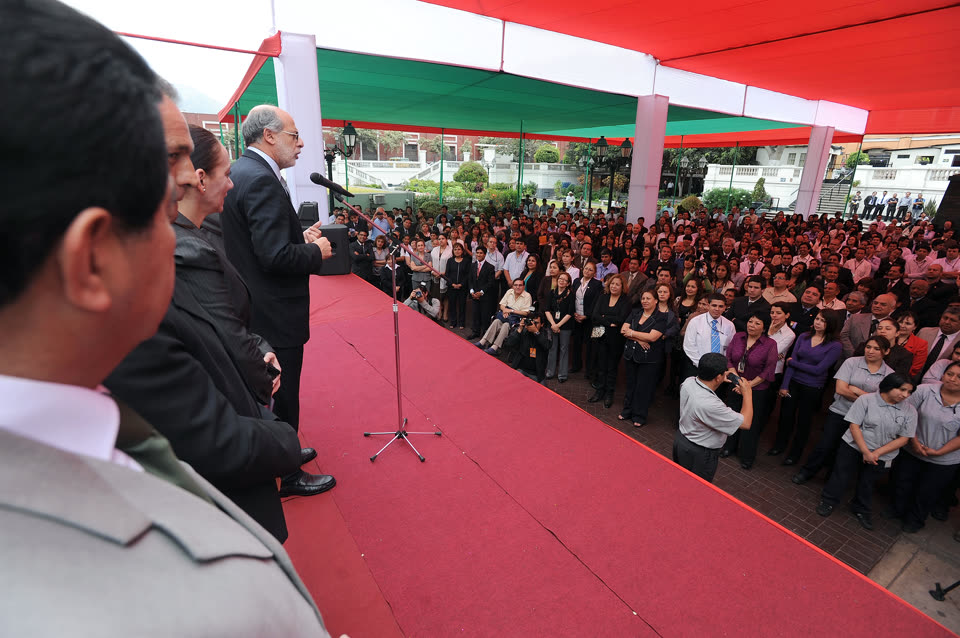
Peru's legislature says Merry Christmas in eight indigenous languages, and in three kinds of Quechua. The Congress broadcast its 2023 greeting in aymara, ashaninka, awajún, shipibo-konibo, ticuna and Quechua in the Áncash, chanka and Cusco-Collao varieties, printing each one in full.
The three Quechua lines are the interesting part, because they are not the same sentence: «Shumaq navidad llapaykipaq katsun» in Áncash, «kusikuy navidad kananta munaniku» in chanka, «Kusi p’unchaw Navidad» in Cusco-Collao. Quechua is a family rather than a language, and a state that prints one version of it has quietly chosen somebody.
Peruvians eat about 1.1 kilograms of panetón each a year, «de acuerdo con datos de Nestlé Perú, empresa dueña de las marcas D’Onofrio, Motta y Buon Natale». That is an industry figure from the company that owns the three best-known brands, reported by a newspaper in 2020, and it is not an official statistic.
December holds three of Peru's fourteen national holidays — the Immaculate Conception on the 8th, the Battle of Ayacucho on the 9th and «Navidad del Señor» on the 25th — and the newest of those three is a battle. Ley 31381, published on the last day of 2021, made 9 December a national holiday «en conmemoración de la Batalla de Ayacucho, que consolidó la independencia de América».
The list has moved twice since, and not in December: 2023 added the Batalla de Arica on 7 June, the airman Quiñones on 23 July and the Batalla de Junín on 6 August. Each of those laws reprints the whole article, so the count can be read off the statute rather than assembled.
24 December is on none of those lists, which is the oddity worth keeping: the night the country sits down together is an ordinary working day.
What the highland families bring down to the Santurantikuy is the part the tourism ministry singles out. Its inventory entry says the plants and produce they sell to Cusco households «harán del pesebre del niño Manuelito algo único y distinto a cualquier lugar del mundo y propio de la cultura andina».
The same entry carries the heritage declaration by its number, «R.D.N Nº1406/INC-2009 por el Instituto Nacional de Cultura INC», and counts «alrededor de 500 artesanos» at the fair.
How big the Santurantikuy is depends on who is counting, and the two figures come from two arms of the same state. The tourism ministry's inventory says «alrededor de 500 artesanos». The president of EMUFEC, the municipal festivals company that runs the fair, told the state news agency from the square on 24 December 2025 that «son más de 1,200 las personas que muestran sus trabajos».
The same report gives two more numbers worth their hedges. The fair now opens two days early — «La feria de arte popular desde hace casi una década se desarrolla desde el 22 de diciembre, debido al crecimiento demográfico» — and the crowd at its peak is an estimate in the conditional: «hoy, en horas punta, podría haber hasta 50,000 personas en toda la plaza».
Every claim carries its own citation. They are collected below, so you
can see what the page rests on and how much of it comes from where.
Tradición navideña en Cusco: vecinos y turistas viven el Santurantikuy 2025 en Plaza Mayor — Agencia Andina, the Peruvian state news agency, 24 December 2025. Retrieved 2026-10-30. archived 24 December 2025The headline count is «Más de 1,200 artesanos y comerciantes exponen y venden artículos alusivos a la Navidad», and the body says whose figure it is: Fernando Amaut Páucar, president of EMUFEC, «informó a la Agencia Andina que son más de 1,200 las personas que muestran sus trabajos».On the start date: «La feria de arte popular desde hace casi una década se desarrolla desde el 22 de diciembre, debido al crecimiento demográfico.» On the crowd, in the conditional: «hoy, en horas punta, podría haber hasta 50,000 personas en toda la plaza.» And the regional trade office's figure for the week: «hasta el año nuevo, llegarán más de 100,000 visitantes».
Catedral de Lima: Misas del 24 de diciembre — Arzobispado de Lima. Retrieved 2026-10-29. archived 18 May 2026The archdiocese announcing its own cathedral's times for 24 December 2023: «Catedral de Lima anunció las misas que celebraremos el próximo domingo 24 de diciembre con motivo del IV Domingo de Adviento (11:00 am) y la tradicional Misa de Gallo (7:00 pm).»
Saludo navideño en ocho lenguas originarias transmite el Congreso de la República — Centro de Noticias del Congreso de la República del Perú, 24 December 2023. Retrieved 2026-10-29. archived 19 February 2026Peru's legislature broadcasting one Christmas greeting in eight indigenous languages, with the Spanish original printed above them: «Feliz Navidad, les deseamos desde el Congreso.» The Quechua is given in three varieties — Áncash: «Shumaq navidad llapaykipaq katsun, Congreso de la Republican niriyaashunki»; chanka: «Congresomantam qamkunapaq kusikuy navidad kananta munaniku»; Cusco Collao: «Congresomantapacha Kusi p’unchaw Navidad nisqatam mast’arimuyku».
Ley N.º 31822, disposición complementaria modificatoria: modificación del artículo 6 del Decreto Legislativo 713 — Diario Oficial El Peruano, Normas Legales, published 8 July 2023. Retrieved 2026-10-30. archived 15 June 2026«Año Nuevo (1 de enero) - Jueves Santo y Viernes Santo (movibles) - Día del Trabajo (1 de mayo) - Batalla de Arica y Día de la Bandera (7 de junio) - San Pedro y San Pablo (29 de junio) - Conmemoración al heroico sacrificio del Capitán FAP José Abelardo Quiñones Gonzales (23 de julio) - Fiestas Patrias (28 y 29 de julio) - Batalla de Junín (6 de agosto) - Santa Rosa de Lima (30 de agosto) - Combate de Angamos (8 de octubre) - Todos los Santos (1 de noviembre) - Inmaculada Concepción (8 de diciembre) - Batalla de Ayacucho (9 de diciembre) - Navidad del Señor (25 de diciembre)»
Martha Hildebrandt: el significado de «chocolatada» — El Comercio, the linguist's «Habla culta» column. Retrieved 2026-10-29.The ordinary meaning, from the Léxico oficial of 2014, is a «comida cuyo principal componente es el chocolate caliente». In Peru it is something else: «Actividad social navideña, cuyo componente principal es la bebida de chocolate que se toma en taza» She adds that «el chocolate [caliente] generalmente se acompaña de panetón».
Santurantikuy — EMUFEC, the municipal festivals company of Cusco. Retrieved 2026-10-29. archived 22 April 2026On the name: «Antes de llevar el nombre de Feria del Santurantikuy, muchos artesanos venidos de todos los barrios del Cusco y de otros distritos y provincias vendían los Santos y Niños Manuelitos en la Plaza de Armas del Cusco.» On the figure at the centre of it: «El Niño Manuelito es el personaje central de la feria donde renombrados artesanos y nuevos artistas presentan trabajos navideños hechos en base a las diversas técnicas como cerámica, platería hojalatería, imaginería y otros.» EMUFEC gives no date for the fair's beginning, only that it has run the thing «desde hace 29 años».
Bajada de Reyes — EMUFEC, the municipal festivals company of Cusco. Retrieved 2026-10-29. archived 11 May 2026The organisers on what the day is for: «La tradición señala que cada 06 de enero el Niño Jesús, espera a los Reyes Magos y sus regalos, en nuestro país la tradición consiste en la celebración que realiza una familia o una comunidad en torno al desarmado del Nacimiento como símbolo de unión y confraternidad.»
Navidad: Conoce el por qué en Perú se toma chocolatada — Infobae Perú, 17 December 2021. Retrieved 2026-10-29. archived 17 December 2023Its account of the D'Onofrio licence is specific — «Esta tendencia se fortificó con la familia D’Onofrio en los años 50, donde Antonio, hijo de Pietro D’Onofrio firmó con la marca de panetones italiana de nombre Alemagna de Milán para producir su patente en Perú» — and its account of why chocolate belongs to Christmas is explicitly a story people tell, introduced with «se dice que»: «su consumo en Navidad se dio debido a que durante los 24 de diciembre de aquellas épocas se ayunaba esperando el 25 de diciembre».
Santurantikuy, ficha de inventario turístico 2572 — Ministerio de Comercio Exterior y Turismo (MINCETUR), Inventario Nacional de Recursos Turísticos. Retrieved 2026-10-30.It gives the heritage declaration by its number — «R.D.N Nº1406/INC-2009 por el Instituto Nacional de Cultura INC» — and files the fair as «Patrimonio de Cultura Inmaterial». It counts «alrededor de 500 artesanos». And on what the highland families bring down to the square: «Todos los productos que estas familias ofrecen a los hogares cusqueños harán del pesebre del niño Manuelito algo único y distinto a cualquier lugar del mundo y propio de la cultura andina.»
Presidente Francisco Sagasti entrega resolución que declara Patrimonio Cultural de la Nación a «Los Negritos de Huánuco» — Ministerio de Cultura del Perú (gob.pe), 12 July 2021. Retrieved 2026-10-29.The ministry on the dance it had just declared national heritage: «Las cuadrillas de Los Negritos de Huánuco tienen un papel protagónico en la Festividad del Niño Jesús que se celebra en la ciudad entre el 24 de diciembre y el 19 de enero, y son emblemáticas en la tradición huanuqueña.» The same announcement describes what the dance depicts, including «el recurso del látigo, que remite al uso de la fuerza por parte del patrón español, tanto sobre los esclavos como sobre las poblaciones nativas sometidas al régimen de servidumbre».
Declaran Patrimonio Cultural de la Nación a la Huaylía de Chumbivilcas — Ministerio de Cultura del Perú (gob.pe), 20 January 2016. Retrieved 2026-10-29.On where and when: the huaylía appears in Chumbivilcas «particularmente en el de Santo Tomás durante la festividad de la Navidad entre el 24 y el 26 de diciembre, acompañando la celebración de las dos imágenes del Niño Jesús correspondientes a los dos bandos o barrios del pueblo: Niño Jesús de Belén, conocido simplemente como Belén; y la del Niño de Santo Tomás, también llamado Niño». On the fighting: the musicians accompany the participants «como por ejemplo durante el takanakuy, enfrentamiento ritual que funciona como espacio para probar el valor y resolver conflictos».