El Niño Dios — the Child God, called el Niñitoel Niño Dios · el Niñito · arrives 24 December
Who brings the presents
Santa Claus, called ColachoSanta Claus · Colacho · arrives 24 December
—days
—hrs
—min
—sec
Next: Friday 25 December 2026
When is Christmas in Costa Rica?
Christmas Day in Costa Rica is 25 December. It is a public holiday.
How to say it
Spanish
¡Feliz Navidad!
A synthesised voice — not a recording of a person — saying ¡Feliz Navidad!
in es-CR.
Ordinary Spanish, and not a Costa Rican form. Costa Rican Christmas words include the portal or pasito, portalear, the cohombro that scents it, the rezo del Niño and the motetes handed out at the end of one, the tamaleada and its piñas, agua dulce, the agüizotes of New Year's Eve, the tope and the avenidazo.
El Niño Dios — the Child God, called el Niñito el Niño Dios · el Niñito
The gift-bringer of the older Costa Rican account, and still the one most adults in the capital region said they described to children when anybody last counted. A Unimer survey reported in December 2015 asked adults in the Greater Metropolitan Area how they explain who leaves the presents: 39% said they tell children — and younger relatives and neighbours — that it is the Niño Dios or el Niñito who comes each Nochebuena and leaves the presents they find on Christmas morning. 32% preferred to tell them it is the parents or the family. 27% passed on San Nicolás, Santa Claus or Colacho. Letters children wrote asking for presents used to be addressed to the Child and left in a post-office box.
The imported figure, under a Costa Rican nickname. In 2015, 27% of adults in the Greater Metropolitan Area said they pass on belief in San Nicolás, Santa Claus or Colacho — behind the Niño Dios at 39%. Specialists interviewed in 2023 describe him as having gained the upper hand since, with the letter-writing that went with him, and treat the snow, the cold and the chimneys that come attached as a northern import: Costa Rica is moving into its dry season at Christmas, and, as Martínez says, «aquí ni siquiera cae nieve o hace frío».
The portal is the centre of the house, and the scale is nobody's concern
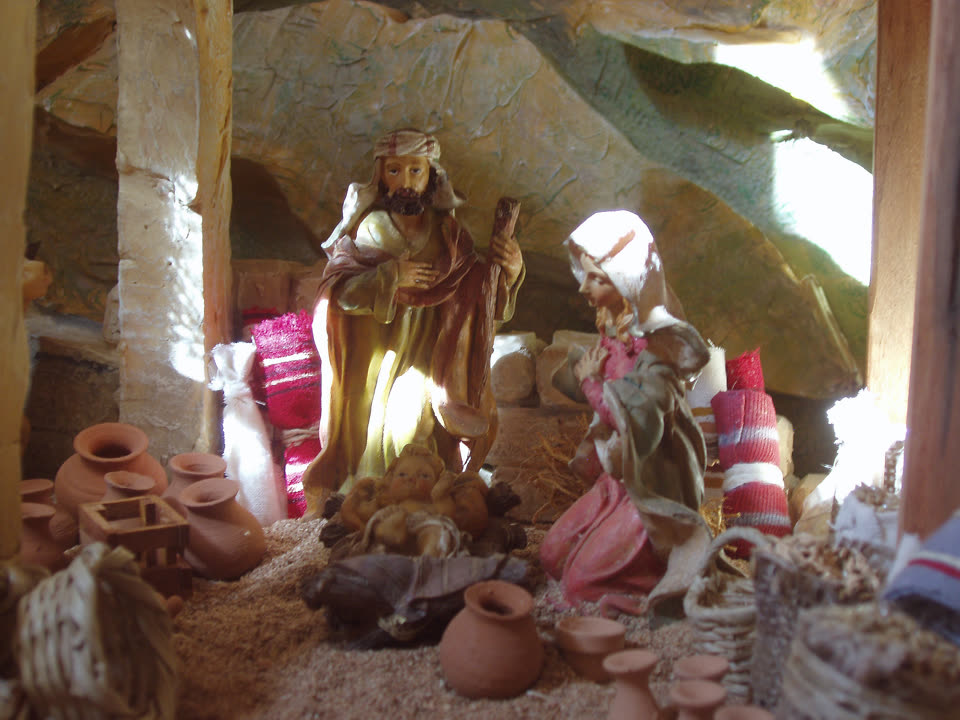
The nacimiento is called the portal or the pasito, and in the houses of the last century it took the best place in the room: the middle of the sala, sometimes with the furniture moved out, or close to the door so it could be seen from the street, or out in the corridor where more people could admire it — though not everybody approved of putting the Child out on the street. Jesus, Mary and Joseph stand there with the Magi, a shepherd, the mule and the ox, the Angel of Glory and the star. Nothing is to scale. Sheep and hens come out larger than the shepherd, a duck can be bigger than Mary, and a pig may turn up in a Bethlehem where nobody would have eaten one. The anthropologist Dayana Morales explains why: at the beginning of the custom people had no money for religious figures, so to make the portal bigger and more striking they put in whatever they had — toy cars, soldiers, dolls. «No importaba si el soldado era pequeño o la muñeca muy grande, lo que valía era hacer el homenaje.» The one deliberate distortion is the Child himself, made larger than his parents «para elevar la importancia del niño en la escena».
Jesús, María, José… y carritos, patos y cohombros: así es el portal a la tica — Jessica Rojas Ch., La Nación (San José), 28 de noviembre de 2021 — quoting Éricka Solano, art historian at the Museo Nacional, and Dayana Morales, anthropologist and archaeologist of the Unidad de Patrimonio Cultural Inmaterial, Centro de Investigación y Conservación del Patrimonio Cultural, Ministerio de Cultura y Juventud
A first portal is not bought. It is given, and then blessed
Two rules travel with the pasito and both are about other people. The first portal should not be bought: a family ought to be given one, and a family that is given one «tendrá prosperidad y será bendecida». It generally goes to a couple who have just set up house, «una manera de demostrar los buenos deseos de prosperidad para una familia que está empezando», and it is taken to be blessed. The second rule is quieter and sharper. A family that sets its portal down on the floor rather than on a table is asking the Holy Family to intercede so that God may get them a house of their own. The blessing is a public fixture too: on 1 December 2026 the Ministry of Culture put la bendición del pasito into the programme of the choral days in the gardens of the Teatro Nacional.
What a Costa Rican portal fills up with is the countryside around it rather than the desert of the story. Hens — preferably bigger than the ox — pigs, dogs, ducks, and sometimes tigers, cats and giraffes, banked in vegetable wool and moss «como si el Niño hubiese nacido en medio del Braulio Carrillo», as one feature puts it of the rainforest national park north of the capital. The anthropologist Henry Martínez says the animals and ornaments have far more to do with «las realidades campesinas de Costa Rica» than with the birth as the gospels place it. The same article states the rule flatly: «un pasito sin animales, no es pasito criollo.»
¿Qué no puede faltar en una Navidad costarricense? — Kimberly Herrera, La Nación (San José), 22 de diciembre de 2023, updated 12 de diciembre de 2024 — quoting Henry Martínez, anthropologist at the Centro de Investigación y Conservación del Patrimonio Cultural, and the historian Vladimir de la Cruz
The moss is really moss, the sawdust makes the roads, and the smell comes from a cohombro
Around the figures goes a landscape: moss — called lana, wool, though that is what it is not — or sawdust dyed green, red and yellow to mark the roads the Magi walk, paper backdrops, plants, logs, rocks, cypress sprigs for the scent, and strings of coloured lights. The lighting began as candles and at least one is usually still lit. The old portals were not complete without a cohombro, a strong-smelling fruit that looks like a cucumber and flowers at this season, which perfumed the whole house. And in among it all went food: coffee beans, rice, maize, ayotes and chayotes, bunches of guineos. Morales gives the reason for those in two halves — «La costumbre es para agradecer, pero también para pedir que no falte la comida.» Gathering the moss in the mountains has largely stopped, because stripping it damages the ground it comes from; shops sell it instead.
Portalear: going round to look at other people's portals
A finished portal is something to be shown. The verb for it is portalear, and it means inviting family, neighbours and friends round to see the new one — a sort of inauguration, with coffee or agua dulce and a tamalito. Whether it survives is where the sources part company, and they are worth reading side by side. The art historian Éricka Solano said in 2021 that the visits «son muy comunes» and that the sense of community around the portal has held since colonial times. Morales said in 2022 that the custom faded for years and «en los últimos años ha ido retomando fuerza en las familias costarricenses». The historian Vladimir de la Cruz said in 2023 that it has largely stopped, and gave a reason: the risk of letting just anyone into the house.
Who lays the Child in the manger, and when, is settled family by family
The portal can be built from the end of November and most households aim at 8 December, the feast of the Immaculate Conception, though nothing obliges them to. The figure of the Child is a separate question. Some families put him in from the start because they want the whole scene; others keep the manger empty until the night of the 24th. Where the moment is kept, it is an honour argued over: generally the youngest in the house, the oldest, or whoever led the building of the portal. The historian Vladimir de la Cruz places the finishing touch in the early hours of 25 December. The presents are found that morning.
The Rezo del Niño closes it, and the guests go home with a parcel
The season does not end at Christmas: it ends at a rezo. Taking the figures out of the portal is tied to the Rezo del Niño, an evening in somebody's house where a rosary is prayed in front of the nacimiento — and not an ordinary rosary, which is why the rezador or rezadora is someone of long experience, who sings the villancicos and El Alabado with the room. Children are deliberately invited, because, Morales says, «de eso se trata el rezo del Niño, de alegría, de inocencia». Afterwards the hosts put out coffee and agua dulce, bizcocho and pan casero, tamal asado, rompope, arroz con pollo and gallitos of picadillo, with rice pudding for dessert. And the guests leave carrying a motete: biscuits, bizcochos, tortillas or pastries wrapped in a napkin for the journey home. Some households kept a money box through the year to pay for the rezo, or to buy another figure for next year's portal.
The portal comes down on 6 January, so that the Magi have somewhere to arrive
There is a window rather than a date. Many houses take the portal down on 6 January, the day of the Three Kings, and the reason is the small logic of the thing: the Kings have to be given the chance to arrive and leave their offerings for the Child first. Others leave it standing until 2 February, the day of the Virgin of Candelaria. The tradition as the ministry's specialists state it is that the portal must not come down before the 6th and must be gone before the 2nd.
The posada has receded from the street and turned up in the office
Posadas — children dressed as pastorcillos walking Mary and Joseph from house to house over the nights before Christmas, singing Campana sobre campana, Burrito sabanero and Los peces en el río, and being let in for prayers, more carols and something to eat — are described as less and less common. De la Cruz remembers «un montón de chiquillos y muchachillos que iban de casa en casa cantando» and says it is hardly done now, blaming insecurity; Martínez argues the form is worth recovering. It has not stopped, though, so much as moved indoors and onto programmes. The municipality of Desamparados held its own posada on Friday 12 December 2025, with the asking-for-lodging sung between the staff of the first and second floors of the municipal building, followed by piñatas, coffee and snacks for the children and the ratepayers who happened to be in the building. The Ministry of Culture opened its own 2026 season with Posadas de Luz on 20 November, a walk between its lit buildings from the Dirección de Patrimonio Cultural to the CENAC.
The cockerel's Mass is no longer at midnight, and the avenidazo no longer throws confetti
Two city customs that changed rather than ended. The Misa de Gallo is not held strictly at midnight on the 24th any more but earlier, for reasons of safety and comfort. And the avenidazo — walking Avenida Central in the centre of San José in the Christmas season, which was where young people went to meet each other — is still walked, but the confetti that was the whole point of it is over. De la Cruz: «Era un sitio de reunión de jóvenes, en general, y era famoso. Iban muchachos y muchachas a hacer amistad y caminar durante la época de Navidad y el atractivo era tirar confeti.»
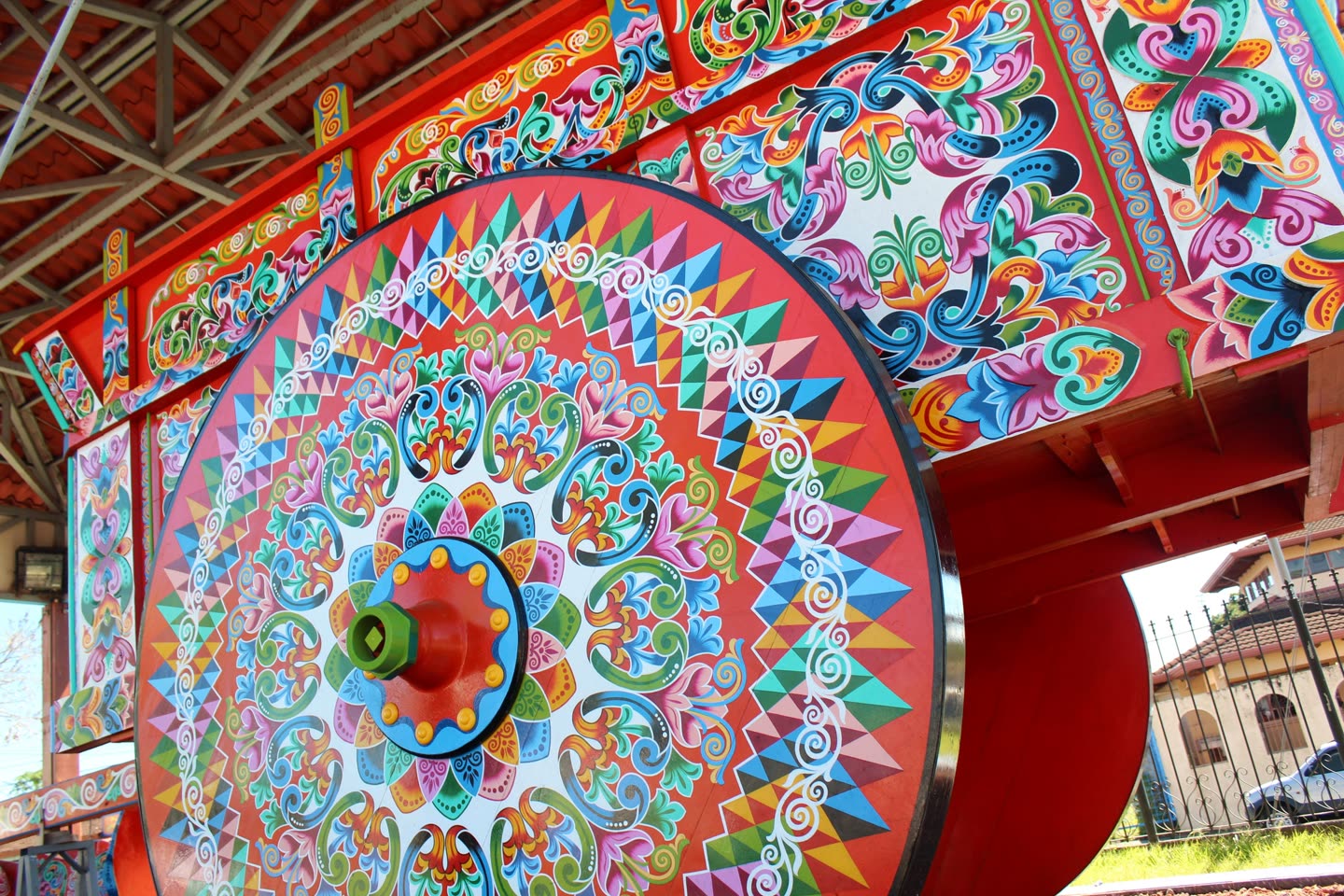
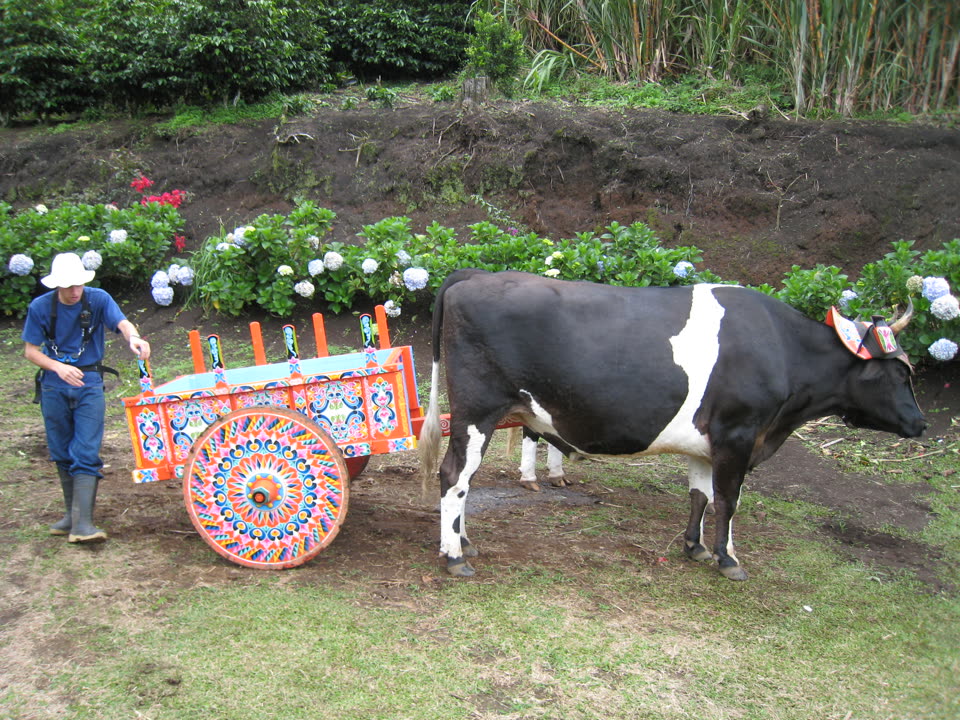
Before any of the lights, the carts. The state's Christmas season now opens in late November with a Festival de Boyeros in and around Parque La Sabana, and the first thing that happens is not the parade but the sesteo: the yokes and the painted carretas gathering in the park to get ready, with dances, a cimarrona band and the marimba. The parade itself is the following day. In 2026 the two days were 28 and 29 November and the festival carried a homage to the Día Nacional de la Marimba Costarricense, which falls on the 30th.
The Festival de la Luz is a municipal parade from 1996, and in 2025 it changed its route
San José's night parade of floats and marching bands is young. It began in 1996, when the municipality put on the first one along Paseo Colón and Avenida Segunda; a 2022 history of it credits a trip to a Christmas festival in Panama in 1994–95 and the then mayor Johnny Araya with the idea, and Jorge Villalobos directed it. The pattern settled as the second Saturday of December, from six in the evening, starting at the National Gymnasium and finishing at the Plaza de la Democracia, with a Mariscal named by the municipality each year since 1999. In 2025 it moved: the route ran around Parque La Sabana instead of down the old avenue, with two simultaneous starts, a drone show at half past seven, a dry law all day within 200 metres of the park, and a ban on setting off gunpowder during the show.
Festival de la Luz — Sistema de Información Cultural de Costa Rica (Sicultura), Ministerio de Cultura y Juventud — citing the festival's own history page
The day after Christmas is the tope: a parade of riders and horses that closes the year. In 2025 the Tope Nacional was held in San Ramón de Alajuela — reported as the first time it had left San José province — and drew almost three thousand riders along a route of about four and a half kilometres from noon. «Hoy San Ramón marca historia», the canton's mayor Gabriela Jiménez said. «Estamos trasladando un tope que nunca había salido de la provincia de San José.» In 2026 the Ministry of Culture programmed a Desfile del Día Nacional del Caballista back in the capital on 26 December, from Plaza Víquez along calle 11 to Avenida Segunda and up Paseo Colón to La Sabana.
Zapote opens on Christmas Day and runs to 4 January
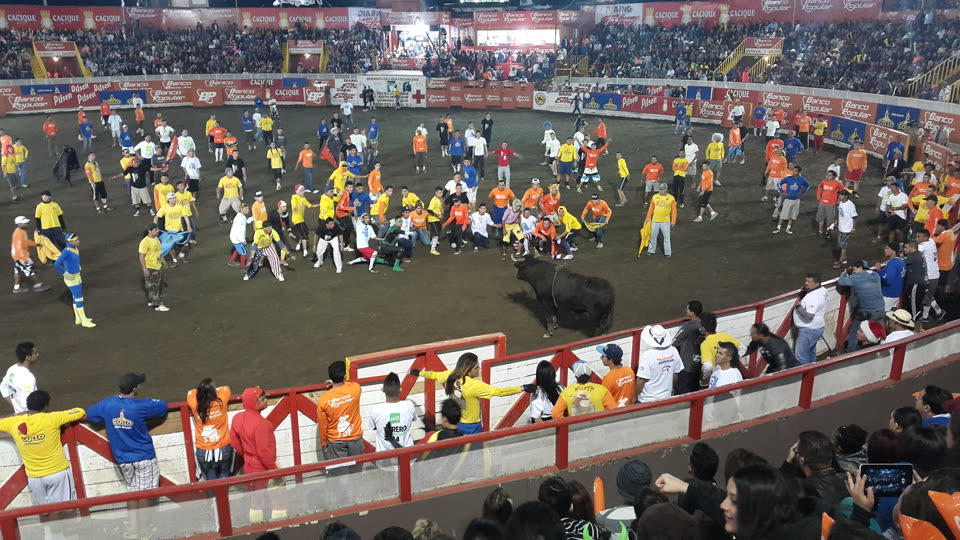
While the household is still at its portal, the capital's fairground at Zapote opens. For the 2025–26 edition the Campo Ferial opened on 25 December and ran to 4 January: eleven days of corridas de toros, a mechanical funfair, free concerts and food areas, run by the Fiestas de Zapote commission of the San José municipality. The corridas were scheduled twice a day, at three and at seven. The commission's president, Alexandra Vargas Calvo, described the aim as a healthy and accessible space for people to enjoy the traditions of the end and the start of the year.
Twelve grapes at midnight, and a suitcase behind the door
New Year's Eve has its agüizotes, the small acts for luck. A 2015 survey in the Greater Metropolitan Area found about 30% of families still admitting to them, mostly at midnight on 31 December, and, though the trend was downward, the ranking was clear. The most common, among those who keep them, was eating twelve grapes as the year turns (65%). Next came carrying flores de santalucía in the wallet, and giving them away, so that money does not run short through the year (46%); then walking round the block with a suitcase or — more often — simply standing it behind the door (42%); and wearing underwear of a particular colour, usually yellow (39%). The pollster's own gloss on the suitcase is the interesting part: «Vimos que mucha gente tal vez no sale a correr con la maleta por las calles a medianoche, porque lo considera inseguro, pero sí deja la valija detrás de la puerta.»
Tamal — the Christmas parcel, tied in bunches called piñas tamal
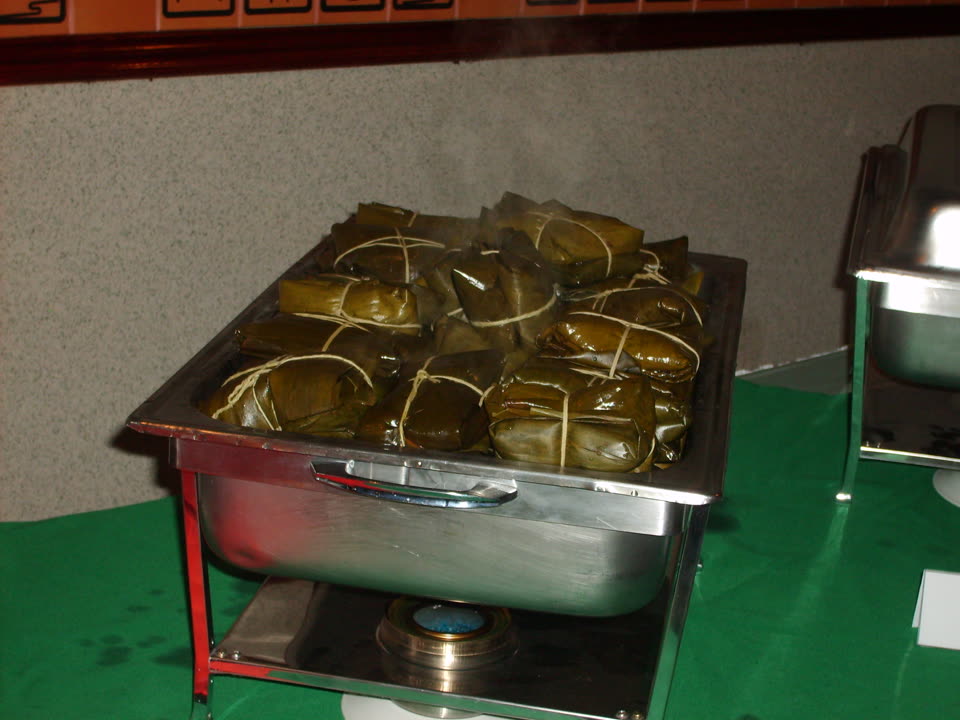
Maize dough with vegetables and meat, wrapped in leaf and boiled, and the single most firmly rooted thing in the Costa Rican season: the 2015 survey found tamales eaten that December in 97% of households in the Greater Metropolitan Area. The making is the point. Very few people make them alone; children, grandparents and grandchildren all take a part in the tamaleada, and Martínez puts the value of it plainly — «el gran valor, aparte de lo culinario y tradicional que tienen los tamales, es el hacerlos en colectivo, en familia, para después compartirlos, regalarlos. Amarrarlos en piñas es todo un arte.» The piñas are the tied bunches, not the fruit. At the end of the day comes el tonto, one enormous tamal made of everything left in the bowls. What has changed is the calendar rather than the dish: De la Cruz remembers tamales as a Christmas food made a week before the 24th, with the dough fetched from a mill and the leaves cut and softened over a fire, and says that now «usted los encuentra en supermercados, pulperías, en “el chino” y en todo lado» all year round.
Rompope — the milk, cinnamon and egg drink that sits beside the pot rompope
The drink of the season, and the one named in the same breath as the tamal: milk, cinnamon and egg. It belongs to the making as much as to the table — it stands beside the pot during a tamaleada — and it is on the list of what a host puts out at the end of a Rezo del Niño. When the Ministry of Culture ran a national call in 2026 for the recipes that tell the country's Christmas, its drinks category was defined by naming four of them: «rompope, chicha, ponche, agua dulce especiada y otras bebidas tradicionales».
Arroz con pollo — rice and chicken, turned deep yellow with achiote arroz con pollo bien achiotado
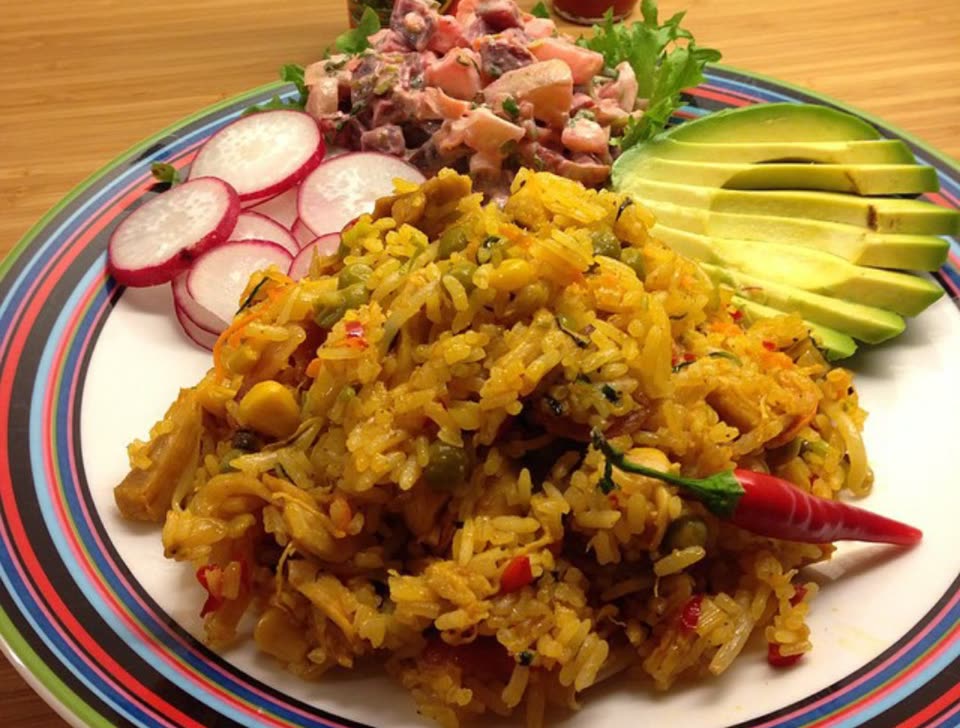
The dish that feeds a room. It is what a household serves after the rosary at a Rezo del Niño, alongside tamales with agua dulce or coffee, and the description that comes with it in the ministry anthropologist's account is one word long and does the work: achiotado, coloured and seasoned with annatto. The ministry's own 2026 recipe call puts «arroz navideño» among the main dishes of the season.
Gallitos de picadillo — small plates of chopped vegetable, handed round gallitos de picadillo
What circulates at a rezo between the rosary and the dessert. The picadillos are chopped and cooked vegetable — potato, plantain, arracache, papaya, chayote — served as gallitos, and they come with coffee, agua dulce, bizcocho, home-made bread and tamal asado. The ministry counts picadillos among the acompañamientos of the Christmas table in its own call for the country's Christmas recipes.
Motete — the parcel of biscuits a guest takes home from the rezo motete
Not a dish but a going-home present, and the detail that tells you what kind of evening a Rezo del Niño is. The host family wraps biscuits, bizcochos, tortillas or pastries in a napkin and gives each guest a parcel to carry home. The anthropologist Dayana Morales corrects her own tense mid-sentence describing them — «eran (o bueno, son)», they were, or rather they are.
Widely repeated claims about Christmas in Costa Rica that do not survive
checking. Each one says what is actually the case, because a correction
with nothing in its place leaves you worse off than before.
Oversimplified
A Costa Rican Christmas is a northern winter — snow, chimneys and a native pine tree
What is actually the case. All three are there and all three arrived. Costa Rica is moving into its dry season at Christmas, and the anthropologist Henry Martínez calls the snow-and-chimney imagery an idea «que viene del norte, de Estados Unidos y Europa», adding that «aquí ni siquiera cae nieve o hace frío». The tree is generally cypress or pine, and the specialists in the same feature say those are not even native species. The historian Vladimir de la Cruz goes further about what it replaced: the tree «de alguna manera ha venido a sustituir en mucho los portales». What the specialists are separating is the recent from the old, not the foreign from the real. Plenty of Costa Rican houses have a tree and a chimney on the card.
Santa Claus has always been the Costa Rican gift-bringer
What is actually the case. The last time anybody counted, he was second. A Unimer survey of 865 adults in the Greater Metropolitan Area, reported in December 2015, found 39% telling children that the Niño Dios or el Niñito brings the presents, 32% telling them it is the parents, and 27% passing on San Nicolás, Santa Claus or Colacho. Specialists interviewed in 2023 describe Santa as having gained ground since and the article says he «ha desplazado al Niño Dios» — a trend described by people who study it, not a newer count. No national household survey of the question has been published.
The Festival de la Luz is an old San José tradition, held around La Sabana
What is actually the case. It is thirty years old and the Sabana circuit is one year old. The festival began in 1996, when the municipality of San José put on the first parade of floats and bands along Paseo Colón and Avenida Segunda; the pattern since has been the second Saturday of December from six in the evening, out of the National Gymnasium and down those two streets to the Plaza de la Democracia. In 2025 the route moved around Parque La Sabana «y no por Paseo Colón y la Avenida Segunda, como se hacía tradicionalmente», with two simultaneous starts and a drone show. Whether later editions return to the avenue is not something either source can say.
Festival de la Luz — Sistema de Información Cultural de Costa Rica (Sicultura), Ministerio de Cultura y Juventud — citing the festival's own history page
The Tope Nacional on 26 December always takes place in San José
What is actually the case. Not since 2025. That year's Tope Nacional was held in San Ramón de Alajuela, reported as the first time it had left San José province, and the canton's mayor said so in as many words: «Estamos trasladando un tope que nunca había salido de la provincia de San José.» Almost three thousand riders took part. The date is the fixed part, not the place: 26 December, and in 2026 the Ministry of Culture programmed a Día Nacional del Caballista parade on that date back in the capital, from Plaza Víquez to La Sabana.
The Costa Rican Christmas season opens with the anniversary of the abolition of the army. 1 December is a holiday in its own right — on the labour ministry's 2026 calendar as a feriado of non-obligatory pay — and in 2026 it marks 78 years since the army was abolished, with a parade of bands from the corner of the Cine Variedades to the Plaza de la Democracia and, after the formal act, the Youth Symphony Orchestra playing a concert called Costa Rica Canta.
Before the Christmas card was a thing you propped on a shelf, Costa Rican families pinned theirs to the wall with drawing pins in the shape of a Christmas tree. De la Cruz: «antes en las casas se pegaban en la pared con un chinche, como formando la imagen de un pino, así como un triángulo largo y uno podía ver quién las mandaba y qué decían». Others were stood in the window, he says, as a way of announcing «estamos recibiendo postales» — we are getting cards.
An apple in December was once the treat. Imported fruit was expensive and not widely affordable, so children hoped to be given this «frutas “traídas de afuera”» when the season came. De la Cruz remembers a supermarket called the Bar Azul bringing in grapes and apples for Christmas through the 1960s, 1970s and still the 1980s: «era apenas como una representación casi que para la cena de Navidad, pero era así como muy contadito y había que cuidarlo mucho». It is a fact about a country that grows coffee, bananas and pineapples, not about a country short of fruit.
The choirs that sing in the gardens of the Teatro Nacional at the start of December have been doing it for 52 years. The Jornada Coral Navideña runs from the 1st to the 3rd, with Christmas stories read at four and the singing from five, and on the first day the portal is blessed.
Every claim carries its own citation. They are collected below, so you
can see what the page rests on and how much of it comes from where.
La tradición del «Portal Navideño» toma fuerza en las familias ticas — Anyi Ospino, CRHoy (San José), sección Cultura, 27 de diciembre de 2022 — quoting Dayana Morales of the Centro de Investigación y Conservación del Patrimonio Cultural. Retrieved 2026-11-10. archived 17 June 2026On the figures and the scale: «en la cultura costarricense se destaca por mantener de manera central a: el Niño Jesús, la Virgen María, San José, la mula y el buey. Dicha escena se completa con la colocación del Ángel de Gloria, los Tres Reyes Magos, la Estrella del Niño. En los pasitos ticos es muy característico que se coloquen pastores y ovejas, así como animales domésticos, en referencia a las granjas costarricenses.» — «los objetos e imágenes que se colocan en el portal no necesariamente son a escala a la escena del nacimiento, por lo que es normal las ovejas y gallinitas más grandes que el mismo pastor, e incluso, una proporción mayor de la figura del Niño Jesús.»
¿Cuándo inician las Fiestas de Zapote 2025-2026? Todo lo que debe saber — Cristian Mora, La Nación (San José), 20 de diciembre de 2025 — citing the Comisión de Fiestas de Zapote of the Municipalidad de San José. Retrieved 2026-11-10. archived 8 February 2026«Este 25 de diciembre, el Campo Ferial de Zapote abrirá, un año más, sus puertas a miles de personas para el inicio de las esperadas Fiestas de Zapote 2025-2026, de fin y principio de año.» — «Las fiestas se extenderán hasta el 4 de enero, es decir, serán 11 días llenos de corridas de toros, un parque de atracciones mecánicas, conciertos gratuitos y zonas gastronómicas, según informó la Comisión de Fiestas de Zapote de la Municipalidad de San José.» — «La presidenta de la Comisión de Fiestas de Zapote, Alexandra Vargas Calvo, señaló que el objetivo es ofrecer un espacio sano y accesible para que las personas disfruten de las tradiciones de fin y principio de año.»
Tope Nacional espera la participación de más de 3 mil caballistas — Diario Extra (San José), 26 de diciembre de 2025 — quoting the mayor of San Ramón, Gabriela Jiménez. Retrieved 2026-11-10.«“Hoy San Ramón marca historia. Estamos trasladando un tope que nunca había salido de la provincia de San José, y es un orgullo ser la casa de este Tope Nacional, en el que esperamos la participación de más de 3.000 caballistas”, expresó la jerarca municipal.»
Aplicación de feriados del año 2026 — CARTA-MTSS-DAJ-AER-1076-2025 — Dirección de Asuntos Jurídicos, Ministerio de Trabajo y Seguridad Social (MTSS), 4 de diciembre de 2025, PDF. Retrieved 2026-11-10. archived 12 October 2026The ministry's own table for 2026 lists «25 de diciembre · Viernes · de pago obligatorio» and «1 de enero · Jueves · de pago obligatorio», under the heading «De acuerdo con los artículos 147, 148, 149, 150 y 152 del Código de Trabajo». 24 December is not on the list. The same table carries «1º de diciembre · Martes · de pago no obligatorio», which is the anniversary of the abolition of the army. The document also states that «Ninguna persona trabajadora está obligada a laborar esos días feriados» and that any agreement waiving the day is void under article 11.
39% de ticos dice a sus hijos que Niño Dios trae los regalos — Irene Rodríguez, La Nación (San José), 11 de diciembre de 2015 — reporting a Unimer survey. Retrieved 2026-11-10. archived 21 August 2025«El resultado: 39% de los adultos les dicen a sus hijos –y a otros parientes y vecinos menores– que es el Niño Dios o el Niñito quien llega cada Nochebuena a dejar los regalos que los chicos se encuentran la mañana de Navidad.» — «Otro 32% prefiere hacerles saber que los responsables de ello son los papás o familiares y un 27% elige inculcarles la tradición de creer en San Nicolás, Santa Claus o Colacho.»
Festival de la Luz 2025: horarios, cierres de calles, accesos y todo lo que debe de saber si va al evento — Jessica Rojas Ch., La Nación (San José), 12 de diciembre de 2025. Retrieved 2026-11-10. archived 29 December 2025«La ruta se desarrollará alrededor del parque La Sabana y no por Paseo Colón y la Avenida Segunda, como se hacía tradicionalmente. El cambio también implica que habrá dos salidas simultáneas: una por Paseo Colón y la otra será en la ruta nacional que va hacia Pavas.» — «a las 7:30 p. m. habrá un show de drones que iluminará el cielo josefino.» — «Ley Seca el sábado 13 durante todo el día en el sector de La Sabana, en un perímetro de 200 metros a la redonda del parque. Además, el Festival de la Luz será un espacio libre del humo del tabaco y la detonación de pólvora está prohibida durante el espectáculo.»
Jesús, María, José… y carritos, patos y cohombros: así es el portal a la tica — Jessica Rojas Ch., La Nación (San José), 28 de noviembre de 2021 — quoting Éricka Solano, art historian at the Museo Nacional, and Dayana Morales, anthropologist and archaeologist of the Unidad de Patrimonio Cultural Inmaterial, Centro de Investigación y Conservación del Patrimonio Cultural, Ministerio de Cultura y Juventud. Retrieved 2026-11-10. archived 7 December 2022On where the portal stood: «Por lo general se ubicaban en el centro de la sala y algunos portales eran tan grandes que se tenían que quitar los muebles para darles espacio», and some families «decidían sacarlos al corredor», though «algunos no estaban de acuerdo con eso de “sacar a la calle al Niño”». On the figures: «Las personas, al inicio de la tradición, no tenían mucho dinero para comprar las imágenes religiosas, entonces para hacer los portales más grandes y llamativos se colocaban todo tipo de personajes y muñequitos que nada tenían que ver con la escena de Belén. Desde carritos hasta animales, que tal vez no eran propios de la época y el lugar, todos han sido protagonistas en los pasitos ticos. No importaba si el soldado era pequeño o la muñeca muy grande, lo que valía era hacer el homenaje.» On the Child's size: «Se hace para elevar la importancia del niño en la escena, para reafirmar que es el personaje más importante y por eso no se cuestiona su tamaño.»
¿Qué no puede faltar en una Navidad costarricense? — Kimberly Herrera, La Nación (San José), 22 de diciembre de 2023 — quoting the anthropologist Henry Martínez. Retrieved 2026-11-10. archived 12 March 2024Martínez on how the gift idea arrived and where it has gone: «“A partir del siglo anterior la Navidad también se empieza a relacionar con la idea de los regalos, por supuesto por las ideas comerciales, venidas de otros países. En su momento, en Costa Rica, estaba muy presente la idea de que era el Niño Dios quien entregaba los regalos y ahora hay toda una parafernalia relacionada con Santa Claus y con la idea de hacer cartas”, detalla Martínez.» The same article says Santa «ha desplazado al Niño Dios como el gran protagonista de la época y el responsable de traer los regalos», and records that the letters were once addressed to the Child.
Festival de la Luz: la historia que pocos conocen y que inspiró el querido desfile de San José — La Nación (San José), 16 de diciembre de 2022, updated 22 de noviembre de 2024 — interviewing Jorge Villalobos. Retrieved 2026-11-10. archived 16 April 2026«Así, sin más tiempo que perder, en 1996 pusieron manos a la obra y presentar ante el publico josefino el desfile de carrozas, al que llamaron Festival de la Luz, dado lo luminoso del espectáculo nocturno.» The typographical slip in «y presentar» is the paper's.
Botas, sombreros y trenzas: así se vivió el primer Tope Nacional fuera de San José — La Nación (San José), 26 de diciembre de 2025. Retrieved 2026-11-10. archived 2 January 2026«Dejando la provincia de San José, el Tope Nacional 2025 se realizó por primera vez en San Ramón de Alajuela, cantón que este viernes 26 de diciembre acogió la tradicional fiesta de fin de año con jinetes y caballos provenientes todo el país.» — «Como es costumbre, esta actividad volvió a congregar a miles de caballistas (casi 3.000 en esta ocasión).»
Es Tiempo de Compartir: Cultura enciende la temporada navideña con 18 actividades para toda la familia — Melissa Mesén, Ministerio de Cultura y Juventud (MCJ), sala de prensa, 6 de octubre de 2026. Retrieved 2026-11-10. archived 26 October 2026On the blessing as a public event: «Del martes 1.º al jueves 3 de diciembre, los jardines del Teatro Nacional recibirán la tradicional Jornada Coral Navideña, que suma 52 años de historia. Además de los villancicos y canciones navideñas de los grupos corales participantes, la programación incluye cuentos de Navidad y, el 1 de diciembre, la bendición del pasito.» On who gives the portal, the 2021 La Nación feature quotes Morales: «Por lo general se le regala a un matrimonio que recién forma su hogar.»
Es tiempo de compartir tu receta: MCJ busca los sabores que cuentan la Navidad de Costa Rica — Melissa Mesén, Ministerio de Cultura y Juventud (MCJ), sala de prensa, 8 de octubre de 2026. Retrieved 2026-11-10. archived 9 October 2026The ministry's own four categories for «Sabores de Navidad 2026» are an official list of what the Costa Rican Christmas table holds: «Plato fuerte navideño: tamales, pierna, lomo, aves, arroz navideño y otros platos principales. Postre navideño: queques, budines, galletas, tortas y otros dulces propios de la época. Bebida navideña: rompope, chicha, ponche, agua dulce especiada y otras bebidas tradicionales. Acompañamientos: ensaladas, picadillos y otros platillos que forman parte de la mesa navideña.»
Boletín Informativo, Edición Navideña 2025 — «Posada Navideña: una tarde de espíritu navideño» — Óscar Calvo Madrigal, Municipalidad de Desamparados, boletín informativo, noviembre–diciembre de 2025, PDF. Retrieved 2026-11-10. archived 14 April 2026«El viernes 12 de diciembre celebramos la ya tradicional posada, en la que participaron las personas colaboradoras y los contribuyentes que se encontraban en el edificio municipal en ese momento. Como es característico de este evento, se realizó la solicitud de posada entre las personas colaboradoras del primer y segundo piso. Posteriormente, la niñez y las personas adultas disfrutaron de las piñatas, así como de un café y diferentes tipos de bocadillos.»
Festival de la Luz — Sistema de Información Cultural de Costa Rica (Sicultura), Ministerio de Cultura y Juventud — citing the festival's own history page. Retrieved 2026-11-10.«El Festival de la Luz se origina en 1996, cuando la Municipalidad de San José organizó el primer desfile de carrozas y de las mejores bandas del país, que a lo largo de su recorrido por el Paseo Colón y la Avenida Segunda, le brindan a los costarricenses un gran espectáculo de color y alegría.» — «El segundo sábado de diciembre, a partir de las 6:00 p.m., la luz invade de la ciudad de San José, … partiendo del Gimnasio Nacional para tomar el Paseo Colón y la Avenida Segunda y terminar en la Plaza de la Democracia.» — «Le ha dado mayor realce al Festival la instauración de la figura del Mariscal, título que desde 1999, la Municipalidad de San José le ha otorgado.»