Christmas Day in Honduras is 25 December. It is a public holiday.
How to say it
Spanish
¡Feliz Navidad!
A synthesised voice — not a recording of a person — saying ¡Feliz Navidad!
in es-HN.
Ordinary Spanish, and not a Honduran form — the employers' confederation closes its own holiday notice with it. Honduran Christmas words include nacimiento, nacatamal, cuchumbos, rompopo, estrenos, and the monigotes of the año viejo.
Nochebuena is the night, and the season is felt from late November
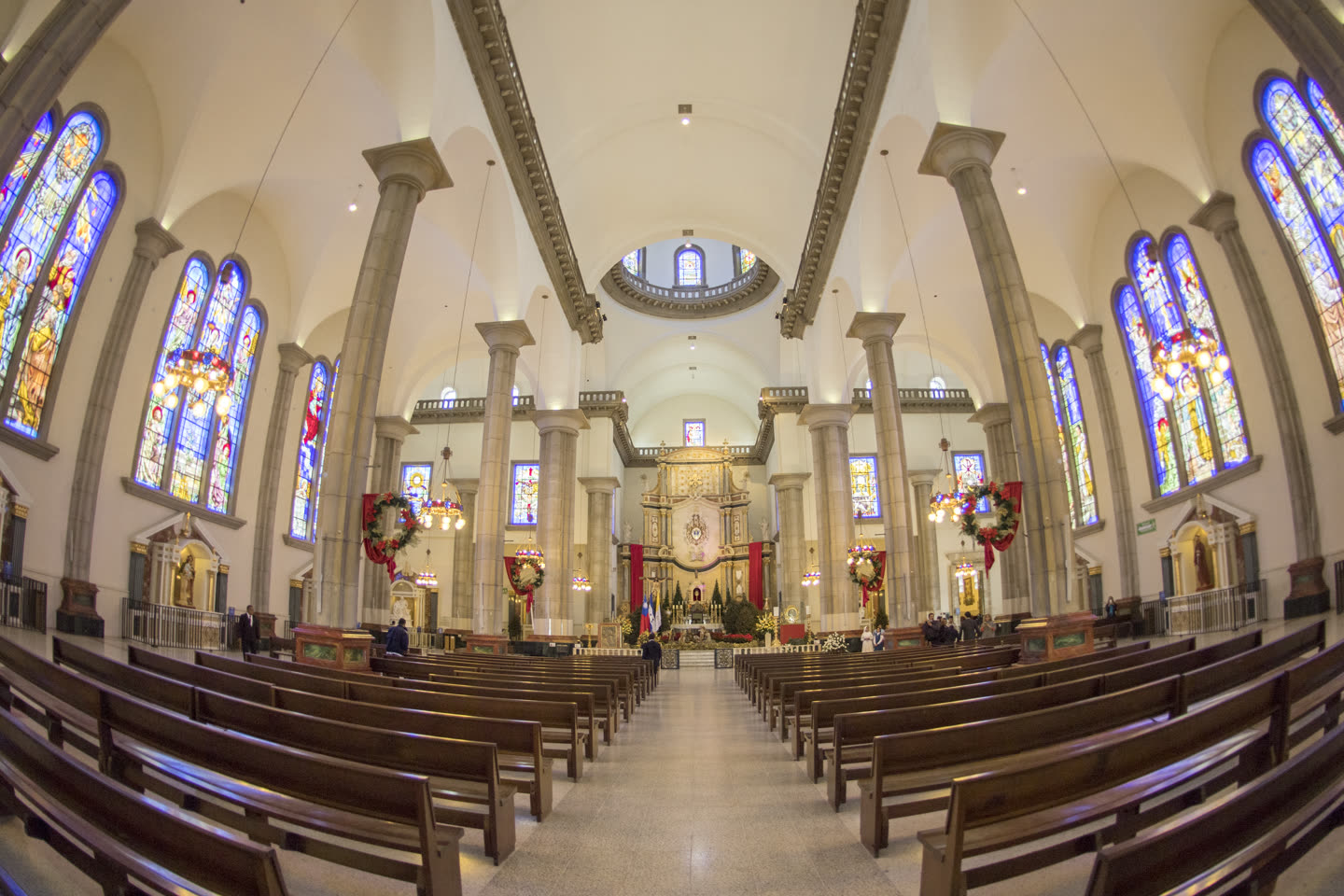
The lights go up on façades, windows and patios from the end of November, and for many families going to church on the evening of 24 December is still the thing that is kept. Nacimientos and figures of the Niño Jesús stand in the house. The supper and the gathering are that night, not the following morning.
Posadas are a novena of joy, and they are thinner than they were
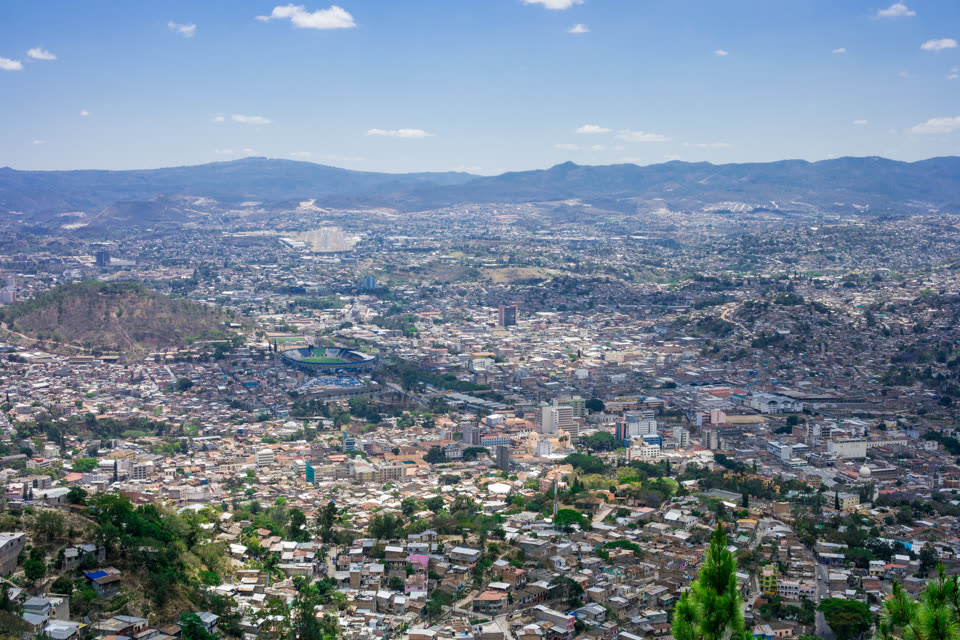
An IHAH historian describes them as prayers of gladness and waiting through the nine days before the birth, distinct from other devotions in exactly that. They are still taught in Tegucigalpa and Comayagüela and kept in nearby municipalities such as Lepaterique, and a 2025 report dates the walking from 16 to 23 December — though a 2014 recap gives 16 to 24 in Siguatepeque, so the window is local rather than national. What both capital sources agree on is the thinning: the practice began to fall away from the 1950s and 1960s, as other churches arrived and as the city's growth, in the historian's words, segregated the neighbourhoods so that it was no longer held as before in the centre of Tegucigalpa. A UNAH culture-centre source says it continues in older barrios tied to Catholic congregations — Villadela, Perpetuo Socorro, Bellavista — but not at the old scale, and he names insecurity and lost trust between neighbours as the reason.
Posadas navideñas: una tradición de fe que resiste al paso del tiempo — Marbin López, El Heraldo (Tegucigalpa), 21 de diciembre de 2025 — quoting Nelson Carrasco of the Instituto Hondureño de Antropología e Historia (IHAH) and Luis Lozano of the Centro de Arte y Cultura, UNAH
Francisco Morazán
The house with the nacimiento was where everybody went, and there was food at the door
Households that built a nacimiento became gathering points, and arriving posadas were received with something to eat: ayote en miel, rosquillas in honey, nacatamales. The nacimientos themselves run from the Holy Family alone to constructions that take weeks.
Posadas navideñas: una tradición de fe que resiste al paso del tiempo — Marbin López, El Heraldo (Tegucigalpa), 21 de diciembre de 2025 — quoting Nelson Carrasco of the Instituto Hondureño de Antropología e Historia (IHAH) and Luis Lozano of the Centro de Arte y Cultura, UNAH
El robo del Niño — the Child is taken, and the ransom is a party on 6 January
In many towns the figure of the Child is uncovered in the nacimiento early on 25 December, and then stolen. Any of the guests might be the one to carry it off, and the household it belonged to has to throw a party on 6 January to get it back.
A UNAH culture-centre source names one Christmas custom of the capital as gone: the Niño Perdido, which he calls one of the most important celebrations and says is no longer practised. What it consisted of he does not say.
Posadas navideñas: una tradición de fe que resiste al paso del tiempo — Marbin López, El Heraldo (Tegucigalpa), 21 de diciembre de 2025 — quoting Nelson Carrasco of the Instituto Hondureño de Antropología e Historia (IHAH) and Luis Lozano of the Centro de Arte y Cultura, UNAH
Cuchumbos — you buy for one person, not for everybody
The secret-friend draw, kept in houses, offices and among friends: each person buys for one other, which the newspaper notes is easier on the pocket than buying for several, and the gathering to hand them over is half the point.
Midnight is gunpowder, and the municipalities have been trying to stop it
Sparklers, chispitas, volcanes, and for the bolder ones rockets and heavier fireworks; streets full of smoke and the smell of burnt powder at twelve o'clock, which the paper calls the moment of greatest joy for many people. It is also a practice that, in its words, refuses to die despite municipal prohibition intended to stop adults and especially children being burned — and the same piece notes that shots fired into the air continue too, sometimes with tragedy behind them.
The Day of the Innocents is kept in Honduras mainly inside religious observance — the faithful go to Mass and the priests wear purple, the Church's colour of grief, for the children Herod is said to have killed. Playing tricks on the day, which is the custom in much of the Spanish-speaking world, is reported as not the Honduran habit. In the Aldea Suyapa in Tegucigalpa the neighbours keep a fiesta with mojigangas on that date, which one of them described as a tradition they try to keep alive.
The año viejo burns at midnight on the 31st, and it usually has somebody's face
Figures are stuffed with old clothes and shoes, dry grass, cardboard and paper, loaded with fireworks, and burned at midnight on 31 December across Tegucigalpa and nearby municipalities such as Valle de Ángeles. They are an expression of creativity and social criticism, and they often wear the faces of public figures. In the days before, they sit out on chairs and pavements while children and young people collect coins to buy the gunpowder — «un lempirita para el año viejo».
Reyes: a cup of café de palo, a rosca, and a debt payable on 2 February
On 6 January it is customary to take a cup of café de palo with a piece of rosca de Reyes. A small doll standing for the Child is hidden in it, and whoever gets that slice owes a tamaleada on 2 February, Candelaria, forty days after Christmas. In Tegucigalpa there are floats, and shopping centres hand out presents in the name of the three kings.
On the north coast, the Fedu is danced at Christmas and at the New Year
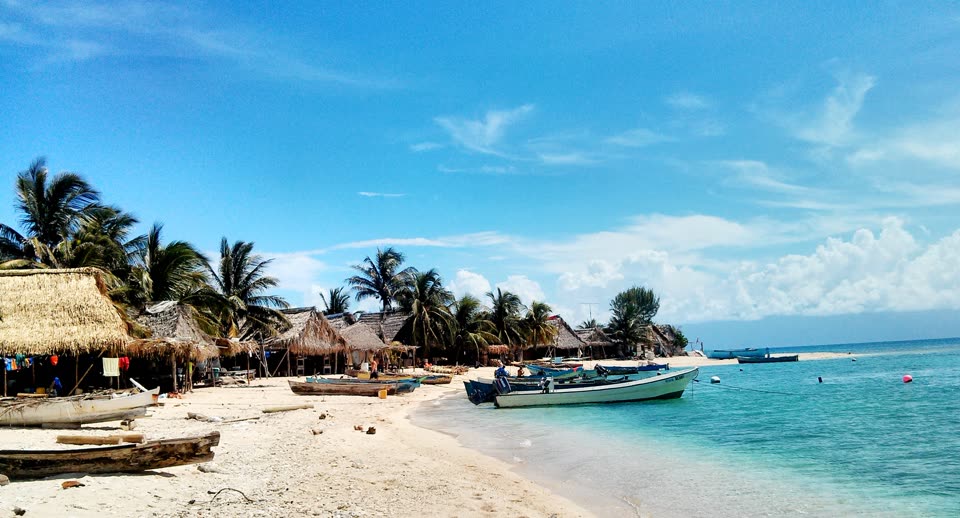
A study of Garifuna music published with Spanish development cooperation sets out the rhythm Jüngüjüngü — celebration — also called Fedu Fedu, fiesta fiesta: «El Fedu se baila para las festividades de navidad, fin de año, celebraciones patronales entre otras ocasiones.» It is played on the tambor primera and tambor segunda, maracas and the conch. It is not only a Christmas rhythm, and Christmas is one of the occasions it is for.
Música Garífuna de Honduras, 2ª ed. — the chapter on Garifuna rhythms — German Betuel Barahona Salgado; Agencia Española de Cooperación Internacional para el Desarrollo (AECID) / FUNDAUPN-COIMPRES, [2013], ISBN 978-99926-820-3-6; PDF via the Biblioteca Virtual Miguel de Cervantes
What is eaten
Nacatamal — the tamal, under the name the interior uses nacatamal
Maize dough with pork or chicken inside it, steamed in leaf, and in the words of the paper unmissable at breakfasts, suppers and family gatherings through the season. The 2025 feature gives the naming directly: the tamal, «o nacatamal como se le conoce en el interior del país». Served hot, with lime and chilli, sometimes with tortillas or a coffee beside it.
Torrejas — the fried bread pudding of the season torrejas
A December sweet rather than a single recipe: the 2014 recap lists torrejas made with dulce, with pinol or with milk, which is three different things under one name.
Rosquillas en miel and ayote en miel rosquillas en miel, ayote en miel
Maize rings steeped in honey, and squash cooked in honey. Both were what a household with a nacimiento put out for the posada arriving at the door, which is how they became part of the season rather than of the year.
Posadas navideñas: una tradición de fe que resiste al paso del tiempo — Marbin López, El Heraldo (Tegucigalpa), 21 de diciembre de 2025 — quoting Nelson Carrasco of the Instituto Hondureño de Antropología e Historia (IHAH) and Luis Lozano of the Centro de Arte y Cultura, UNAH
Milk, egg yolks, sugar, cinnamon and rum, thickened into a cream and served very cold after hours in the refrigerator. It is the same family of drink called rompope elsewhere; Honduras says rompopo. Christmas hot chocolate, a fruit ponche and, in some parts of the country, mistela sit beside it.
Beside the nacatamales: stuffed chickens, baked pork and tajo relleno, with their trimmings. No single dish is the Honduran Christmas dinner, and the press lists are lists rather than a canon.
Widely repeated claims about Christmas in Honduras that do not survive
checking. Each one says what is actually the case, because a correction
with nothing in its place leaves you worse off than before.
Oversimplified
The Christmas tree, Santa Claus, reindeer and snow are the traditional Honduran Christmas
What is actually the case. They are present and they are recent. The historian Daniel Vásquez, quoted in the capital's press in 2024, puts the line between them plainly: nacimientos of the Niño Dios, sweets and nacatamales are «muy propios de nuestra cultura», while «un árbol de Navidad, un Santa Claus o elementos como renos y nieve, esas son influencias anglosajonas». He remembers when «todas las iglesias tenían un pesebre», and he calls the municipal Christmas villages in the public squares relatively new. Plenty of Honduran households have a tree. What the historian is separating is the recent from the old, not the foreign from the real.
Posadas run the length of Honduras for the twelve days before Christmas
What is actually the case. They are a nine-day novena, not a twelve-day one, and the dates are local: a 2025 capital report says 16 to 23 December, a 2014 recap says 16 to 24 in Siguatepeque. They are also thinner than they were. Both of the capital's expert sources describe a decline from the 1950s and 1960s — other churches arriving, the city segregating its neighbourhoods, and later insecurity and lost trust between neighbours — and place what survives in particular older barrios tied to Catholic congregations rather than across the whole city. Neither says it has stopped.
Posadas navideñas: una tradición de fe que resiste al paso del tiempo — Marbin López, El Heraldo (Tegucigalpa), 21 de diciembre de 2025 — quoting Nelson Carrasco of the Instituto Hondureño de Antropología e Historia (IHAH) and Luis Lozano of the Centro de Arte y Cultura, UNAH
In Honduras, 28 December is the day for playing practical jokes
What is actually the case. That is the custom elsewhere in the Spanish-speaking world and a Honduran explainer says directly that it is not the habit here: the day is known mainly inside religious observance, «razón por la cual no se acostumbra a hacer bromas en el territorio catracho». What it is instead is the liturgical commemoration — Mass, and the priests in purple. One local fiesta with mojigangas is documented, in the Aldea Suyapa in Tegucigalpa, and it is a neighbourhood tradition rather than a national carnival.
What is actually the case. The study of Garifuna music published with Spanish development cooperation attaches Christmas and the New Year to a different rhythm — the Fedu — and treats Wanaragua, also called Yancunú, as a warrior dance representing the Garifuna fighter who fought the English and the French on St Vincent before the people were sent to Honduras. Nothing in it links Wanaragua to Christmas. Wanaragua may well be danced in the Christmas season — other accounts say so — but this study, which is the one that sets out the rhythms, does not say it, and the shortcut of calling it the Christmas dance needs a source that does.
Música Garífuna de Honduras, 2ª ed. — the chapter on Garifuna rhythms — German Betuel Barahona Salgado; Agencia Española de Cooperación Internacional para el Desarrollo (AECID) / FUNDAUPN-COIMPRES, [2013], ISBN 978-99926-820-3-6; PDF via the Biblioteca Virtual Miguel de Cervantes
Tegucigalpa has its own Christmas song, and it is mid-twentieth century: «Caminando por Tegucigalpa, en la noche de la Navidad…», composed by Víctor Donaire, still quoted in the capital's press as the evocation of Christmas in the twin cities.
The collection that pays for the fireworks has its own line. In the days before the 31st, children and young people sit out beside the stuffed figures asking «un lempirita para el año viejo, no hemos hecho nada» — a lempira for the old year, we have done nothing — and the coins buy the rockets that go inside it.
Nobody claims to know where the año viejo came from. A Honduran explainer that sets out to answer the question says so itself: «El origen de quemar el año viejo no es claro, ya que es una tradición que se da en toda Latinoamérica.» The Ecuador story and the Holy Week Judas story are both in circulation and neither is established.
Honduras's two biggest Christmas nights are both working days. The statutory feriados are 25 December and 1 January; Nochebuena on the 24th and the año viejo on the 31st, which are the nights the country actually spends together, are not on the list.
Every claim carries its own citation. They are collected below, so you
can see what the page rests on and how much of it comes from where.
Comunicado — días feriados de diciembre 2025 y enero 2026, conforme al artículo 339 del Código del Trabajo — Consejo Hondureño de la Empresa Privada (COHEP), 19 de diciembre de 2025, PDF. Retrieved 2026-11-10. archived 10 February 2026«De conformidad a lo establecido en el artículo 339 del Código del Trabajo, los días feriados que corresponden a los empleadores conceder y pagar son: jueves 25 de diciembre de 2025 y jueves 01 de enero 2026.» The same comunicado closes by wishing its readers «una Feliz Navidad y un próspero Año Nuevo».
Música Garífuna de Honduras, 2ª ed. — the chapter on Garifuna rhythms — German Betuel Barahona Salgado; Agencia Española de Cooperación Internacional para el Desarrollo (AECID) / FUNDAUPN-COIMPRES, [2013], ISBN 978-99926-820-3-6; PDF via the Biblioteca Virtual Miguel de Cervantes. Retrieved 2026-11-10. archived 5 May 2025«Jüngüjüngü (Celebración) o Fedu Fedu (Fiesta fiesta). El Fedu se baila para las festividades de navidad, fin de año, celebraciones patronales entre otras ocasiones. Para este ritmo, se usa el tambor primera y tambor segunda, maracas y el caracol.» The same chapter keeps Wanaragua separate and does not attach it to Christmas: «La danza del Wanaragua, es danza guerrera, es una representación del guerrero Garífuna que luchó contra los ingleses y franceses en la Isla de San Vicente antes de ser enviados a Honduras.»
Con Mojigangas celebran el Día de Los Inocentes en la aldea de Suyapa en la capital — HCH (Hable Como Habla), Tegucigalpa, 28 de diciembre de 2020. Retrieved 2026-11-10.«Vecinos de la Aldea Suyapa en Tegucigalpa celebran con mojigangas el Día de Los Santos Inocentes.» — «“Esta es una tradición que se conserva desde hace años y nosotros tratamos de mantenerla viva” manifestó uno de los vecinos.»
Día de los Reyes Magos, una fusión religiosa y cultural en Honduras — Jairo Martinez Garay, La Prensa (San Pedro Sula), 6 de enero de 2023 — quoting Father Daniel Fernández, then vicar of San Miguel Arcángel, Potrerillos. Retrieved 2026-11-10. archived 9 December 2024«En Honduras se acostumbra a tomar una exquisita taza de café de palo con un pedazo de rosca de Reyes, lo particular es que en este postre se esconde un pequeño muñeco que simboliza al Niño Jesús y a la persona que le salga tiene que compartir una tamaleada el 2 de febrero del mismo año, en el cual se celebra el Día de la Candelaria.» The priest's teaching, which is pastoral rather than a finding about households: «no son los reyes magos quienes dan los regalos, los verdaderos obsequios nos los brinda el Niño Dios».
Diciembre sabe mejor: Bebidas tradicionales que unen a las familias hondureñas en Navidad — La Prensa (San Pedro Sula), 24 de diciembre de 2025. Retrieved 2026-11-10. archived 24 December 2025«Otra bebida que no falta en la mesa es el rompopo, conocido en otros países como rompope. Elaborado a base de leche, yemas de huevo, azúcar, canela y ron, este licor cremoso es uno de los más consumidos durante las fiestas decembrinas y suele servirse bien frío tras varias horas de refrigeración.»
Capitalinos preparan monigotes de Año Viejo entre pólvora, crítica y creatividad — Marbin López, El Heraldo (Tegucigalpa), 12 de diciembre de 2025. Retrieved 2026-11-10. archived 23 January 2026«Con ropa y zapatos viejos, zacate y cohetes, los capitalinos ya elaboran los tradicionales monigotes de Año Viejo, una expresión popular cargada de creatividad y crítica social que cada 31 de diciembre arde en distintos puntos de Tegucigalpa y municipios cercanos.» And on the collection for the gunpowder: «“Un lempirita para el año viejo, no hemos hecho nada”, dicen mientras recogen monedas y billetes que servirán para los cohetes que acompañarán la quema.»
Tegucigalpa se vuelve un gran pesebre iluminado en las noches de Navidad — Marbin López, El Heraldo (Tegucigalpa), 16 de diciembre de 2024 — quoting the historian Daniel Vásquez. Retrieved 2026-11-10. archived 2 November 2026Vásquez separating the local from the imported: «Hay pocos nacimientos del Niño Dios, dulces y nacatamales, que son muy propios de nuestra cultura. Pero cuando usted ve un árbol de Navidad, un Santa Claus o elementos como renos y nieve, esas son influencias anglosajonas». And on what the churches used to hold: «Todas las iglesias tenían un pesebre. El nacimiento del Niño Dios, los cohetes y la gastronomía forman parte de nuestra cultura». He also calls the municipal Christmas villages «relativamente nuevas».
Posadas navideñas: una tradición de fe que resiste al paso del tiempo — Marbin López, El Heraldo (Tegucigalpa), 21 de diciembre de 2025 — quoting Nelson Carrasco of the Instituto Hondureño de Antropología e Historia (IHAH) and Luis Lozano of the Centro de Arte y Cultura, UNAH. Retrieved 2026-11-10. archived 25 December 2025Carrasco on what a posada is: «son oraciones de alegría y de espera durante los nueve días previos al nacimiento de Jesús». On the decline: «La llegada de las iglesias protestantes provocó que algunas personas abandonaran estas prácticas» and that urban growth «fue segregando barrios y la celebración dejó de realizarse como antes en el centro de Tegucigalpa». Lozano on where they still walk: «la tradición se mantiene en barrios antiguos como Villadela, Perpetuo Socorro y Bellavista, aunque reconoce que ya no se celebran con la misma magnitud». A caption in the same piece dates the walking «del 16 al 23 de diciembre».
La esencia de la Navidad en Honduras es la solidaridad y la unión familiar como tradición — Marbin López, El Heraldo (Tegucigalpa), 24 de diciembre de 2025. Retrieved 2026-11-10. archived 8 January 2026On when the season starts and what the evening of the 24th is for: «Desde finales de noviembre, el espíritu navideño comienza a sentirse en cada rincón del país.» — «Para numerosas familias, asistir a la iglesia el 24 de diciembre es una tradición que se mantiene viva. Los nacimientos y representaciones del Niño Jesús adornan los hogares.» On the new clothes: «Otra costumbre que se mantiene es la compra de ropa nueva, principalmente para los más pequeños de la casa que se conoce popularmente como los estrenos.»
Tradiciones navideñas siguen vivas en los hogares de Honduras — Redacción, El Heraldo (Tegucigalpa), seasonal recap, 7 de abril de 2014. Retrieved 2026-11-10. archived 8 July 2025On the stolen Child: «En muchos pueblos se acostumbra 'el robo del Niño Jesús', que ocurre después el 25 de diciembre a primera hora, después que se destapa la figura en el nacimiento.» — «Cualquiera de los invitados podía llevarse la preciada figurita y la familia anfitriona tiene que realizar una fiesta el 6 de enero del siguiente año, para que la regresen.» On the gift exchange: «Los 'cuchumbos' o amigos secretos como también se conocen, son una divertida actividad que se realiza en las casas, en las oficinas o entre amigos.» On the fireworks: «Es una de las prácticas que se resiste a morir, pese a la prohibición de las autoridades municipales» and «Las calles llenas de humo y el olor a pólvora quemada llena el ambiente a las 12:00 AM».
Día de los Inocentes Honduras: ¿Cuándo y cómo se conmemora este día en el país catracho? — TuNota (Honduras), 28 de diciembre de 2023. Retrieved 2026-11-10.«El Día de los Inocentes en Honduras no es tan conocido fuera de las celebraciones religiosas, razón por la cual no se acostumbra a hacer bromas en el territorio catracho.» — «En Honduras los feligreses típicamente asisten a misa y los sacerdotes llevan el color morado en su vestimenta, un color que representa dolor dentro de la Iglesia Católica.»