the Armenian community
The country keeps two Christmases, twelve days apart
Iran's Armenians, who are most of its Christians, keep 6 January. Its Assyrians and Chaldeans keep 25 December. Both are in the same country, both are constitutionally recognised, and the two dates are twelve days apart. The Tehran Times puts the Armenian side plainly: they «follow the Oriental Orthodox denomination of Christianity and accordingly, celebrate Christmas on January 6, concurrent with the Epiphany». For the other side: «Like most Christians around the world, Assyrians in Iran celebrate December 25 as the birth anniversary of Jesus Christ.»
Iran hosting Christmas celebrations for centuries — Tehran Times
The civil service's own leave schedule has the two dates built into it
Iran's Administrative and Employment Affairs Organisation publishes a list of each recognised minority's feast days, so that employers know which days to grant leave for. On the Assyrian list the birth and the baptism of Christ are two separate entries — «عید میلاد مسیح (ع)» and «عید تعمید حضرت مسیح (ع)». On the Armenian Apostolic list they are one entry: «تولد و غسل تعمید مسیح (ع)», the birth AND baptism of Christ. The oldest argument in the Church about what 6 January is for, settled in a civil service circular about days off. Note the «(ع)» in both: the state's schedule of Christian feasts gives Jesus the Islamic honorific.
الزام به اعطای مرخصی به اقليت های دينی (Compelling the grant of leave to religious minorities) — وکلای دیوان, a Tehran practice before the Court of Administrative Justice
the Armenian community
Christmas Eve is a church full of candles, and everyone takes one home
The Armenian Christmas begins on the evening of 5 January with the Jrakalooyts, Ճրագալոյց — the Candlelight Divine Liturgy, named for the lamp. The faithful light candles during the service for the star that brought the wise men to the manger, and then carry fire out of the building: «the faithful take home a number of candles from the church equal to the number of family members and, in the past, shared a candlelit Christmas Eve dinner.» One candle per person, counted at the door.
Blessed is the Revelation of Christ! — Armenian Prelacy (Eastern Prelacy of the Armenian Apostolic Church of America)
the Armenian community
The Armenian Christmas dish turned out to be Iranian, and nobody knew until the border opened
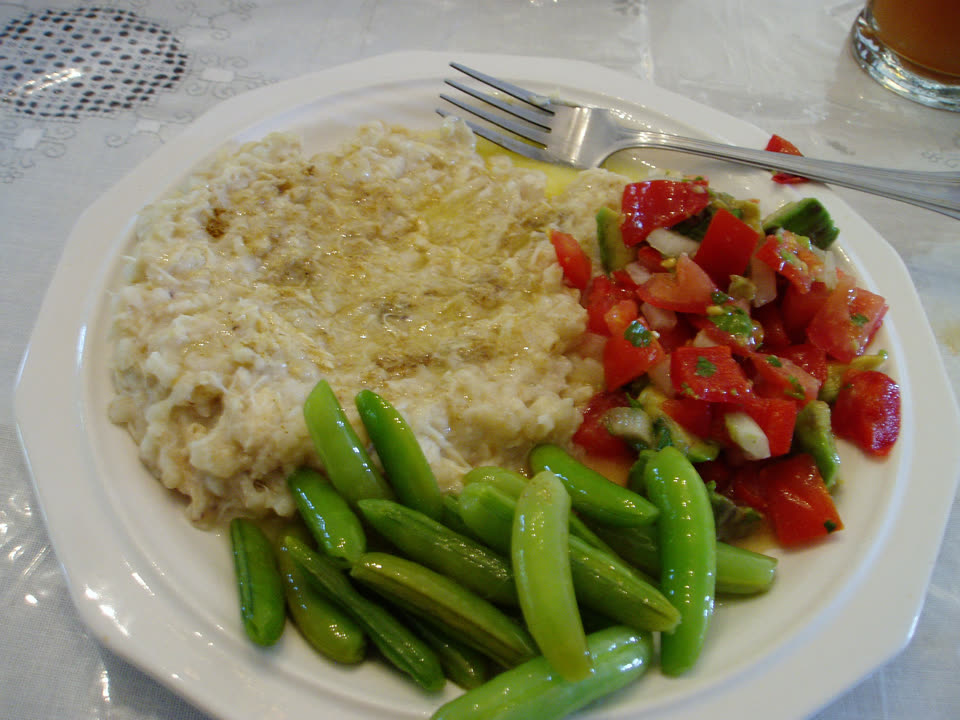
Iranian Armenians eat rice, fish and vegetable kuku on Christmas Eve — the herb rice and fish that Iranians eat at Nowruz, and a Persian herb omelette. They took it for an Armenian tradition. Then the Soviet border opened and they went to Armenia. The writer and documentary film-maker Robert Safarian: «Since childhood we thought that this was a Christmas tradition until the borders to Armenia opened and we learned that there is no dish in Armenia called vegetable kuku. It is an Iranian dish that has become an Armenian tradition.» Four centuries in Isfahan, and the Christmas table had quietly become Persian without anyone noticing.
An Armenian Christmas Feast — IranWire
the Assyrian and Chaldean community
The congregation calls on the clergy, and the next day the clergy call back
Assyrian Christmas in Iran is built around a two-way visit. «On December 25, Assyrian people go to church to visit Assyrian clergies and wish them a happy Christmas, and the next day, it is the clergies who go to visit their fellow believers.» It comes at the end of a long fast: twenty-five days without meat or dairy, broken after the 25th with Communion at church.
Iran hosting Christmas celebrations for centuries — Tehran Times
Most of the people buying Christmas trees in Tehran are Muslims
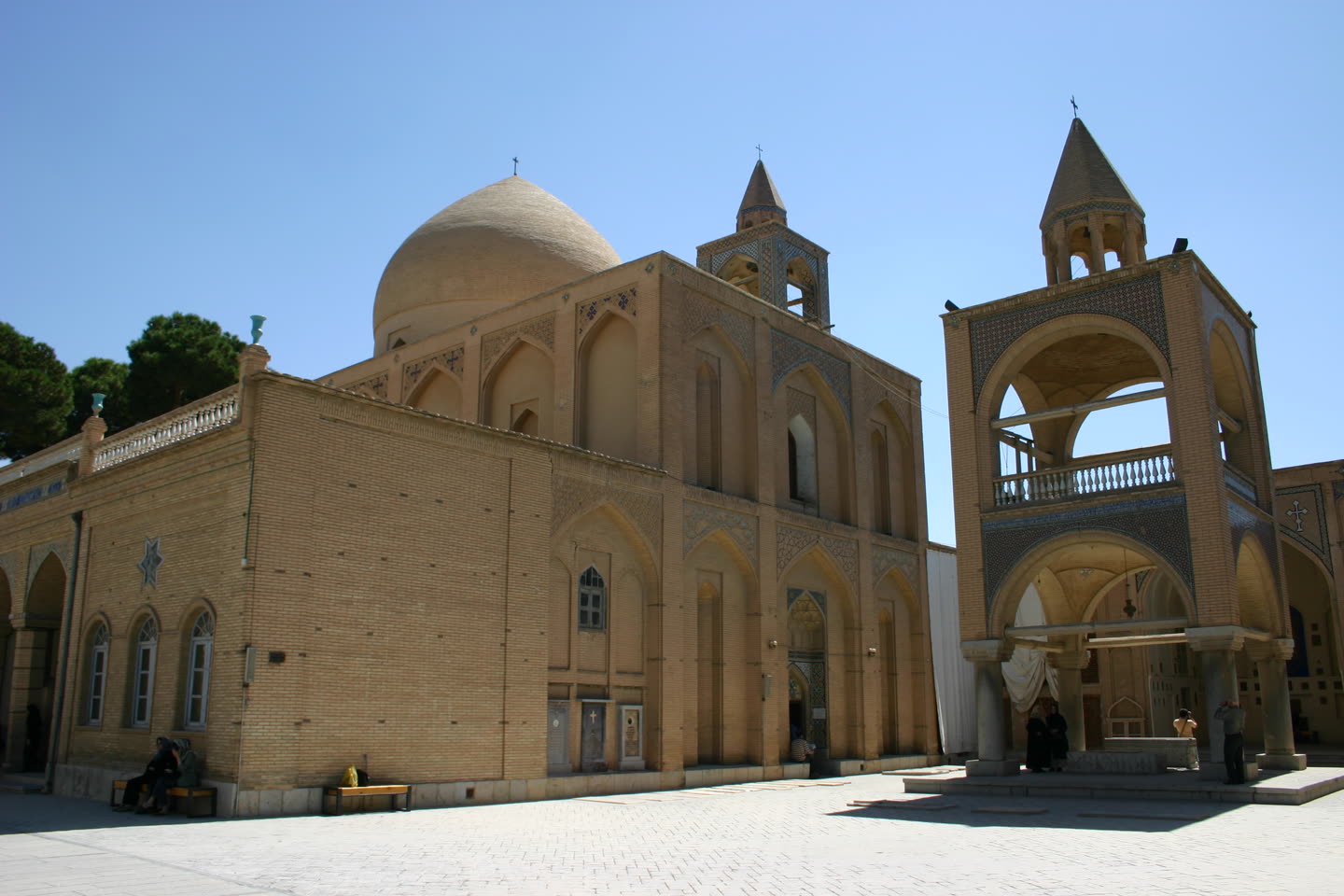
From mid-December the shops on Mirza-ye Shirazi Street in Tehran — a street with an Armenian church on it and few Armenians left — fill with trees, ornaments and Santa dolls, and the trade is not mainly Christian. «There have been numerous reports in Iranian media in recent years that quote owners of businesses in the area saying most of the shoppers who buy the trees, accessories, and gifts are Muslims.» The clergy have noticed. In 2014 Grand Ayatollah Naser Makarem-Shirazi ruled that «Celebrations and activities related to Christmas are not admissible unless necessary because they promote the non-Islamic culture», adding that necessity «means harm to familial relations and friendships [with Christians] if these activities are not performed».
Christmas gains traction in Iran despite official disfavor — Iran International
the Armenian community
The wine is home-made, because the law lets Christians make it and nobody sell it
Wine has a place at the Christmas table and no place in an Iranian shop. «Under the Islamic Republic of Iran, trade in alcoholic beverages is forbidden, so the Armenian community makes its own wine and other alcoholic drinks. The law allows religious minorities to make wine for religious purposes.» A recognised minority may produce what it may not buy.
An Armenian Christmas Feast — IranWire