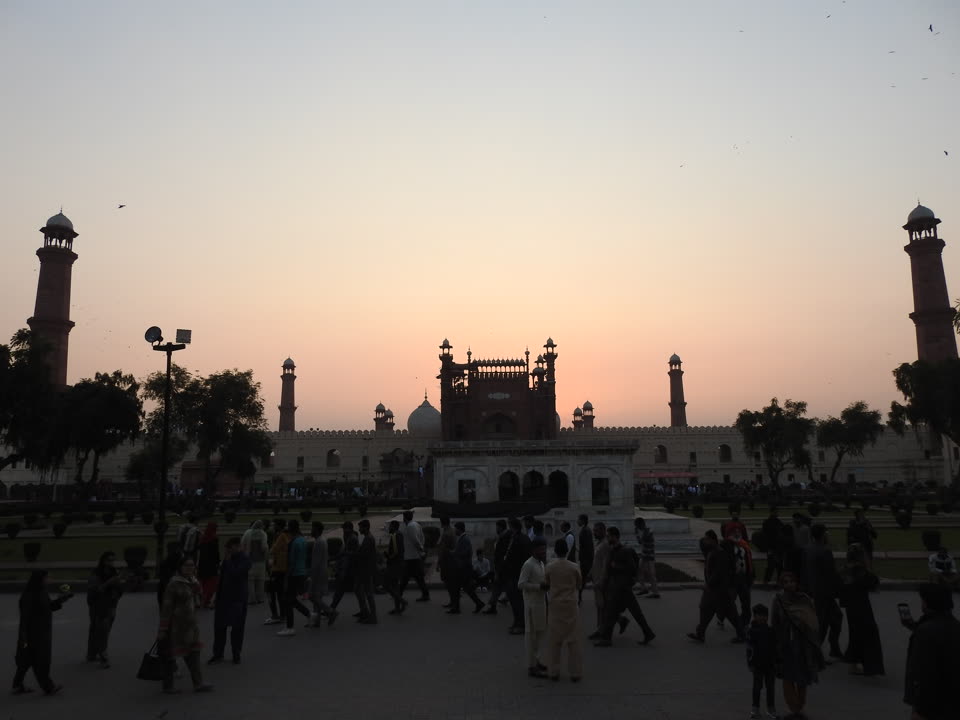
Christmas Day in Pakistan is 25 December. It is a public holiday.
How to say it
Urdu
کرسمس مبارک
Krismas Mubārak
say it: KRIS-mas moo-BAA-rak
A synthesised voice — not a recording of a person — saying کرسمس مبارک
in ur-PK.
Urdu, and «کرسمس» is the ordinary name of the day in Pakistani Urdu — it is what the president's Urdu Christmas message calls it and what a Karachi seminary's ruling calls it.
The older Urdu name is «بڑا دن», Bara Din, the big day. Urdu Wikipedia lists it among the names of the feast, and an account of a Pakistani Christmas from Islamabad puts it plainly: «Christmas itself is known as Bara Din, the great day, when people put on their brightest clothes to meet others in an atmosphere of brotherhood.»
«مبارک» is the same word Pakistanis use for Eid and for a wedding. It is a wish of blessing rather than of merriment, which is why it travels across the two festivals without changing.
The 25th is a holiday for everybody, and the 26th is the Christians' own
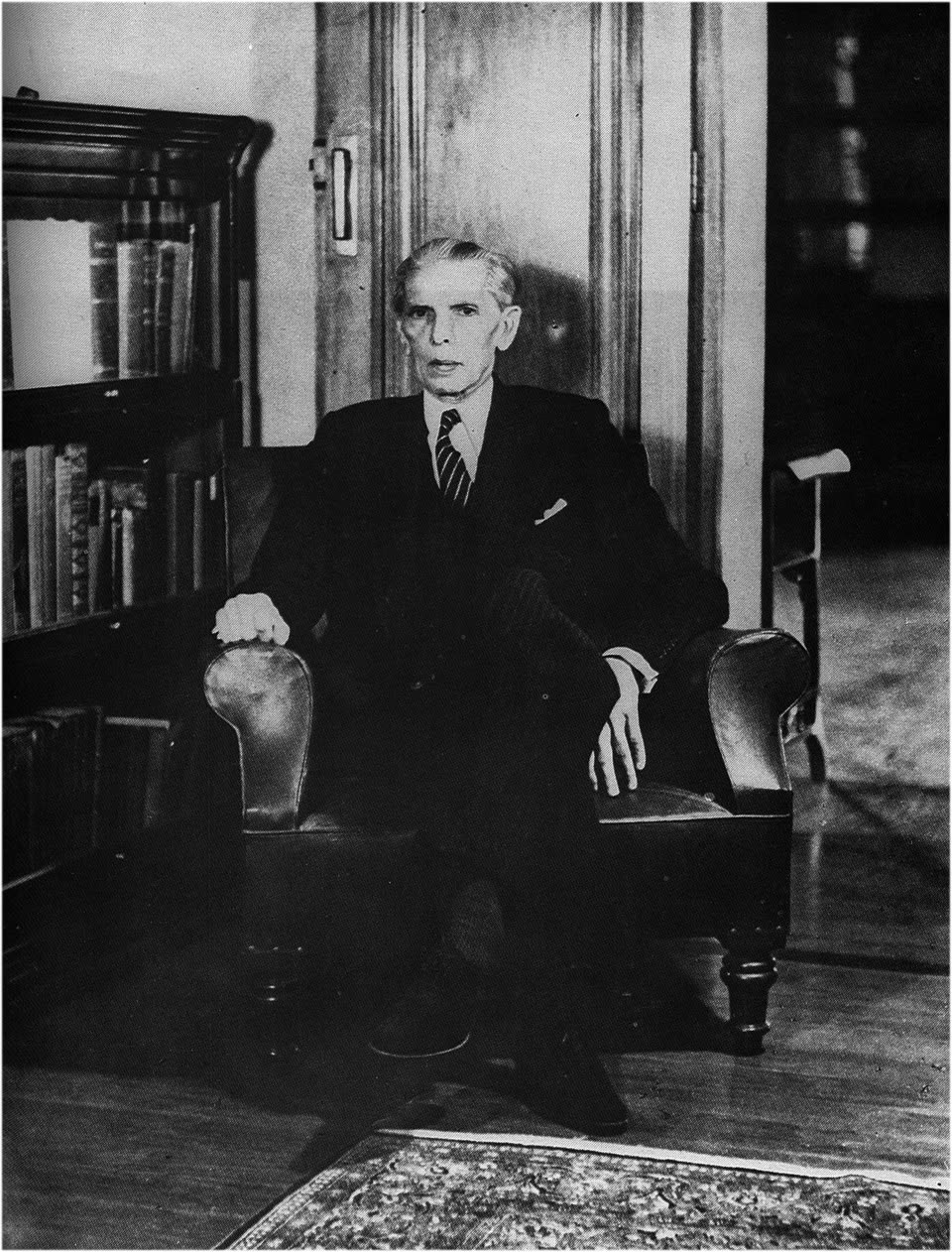
Pakistan's Cabinet Division publishes a holiday circular every December. Christmas appears in it twice. Item 11 is «Quaid-e-Azam Day/ Christmas», a public holiday for the whole country — Jinnah was born on 25 December 1876, so the day was already a national one. Item 12 is «Day after Christmas», also a public holiday, and against it the circular prints «(For Christians only)». The day the state gives Christians as Christians is Boxing Day; the 25th they share with the founder of the country.
A non-Muslim government servant gets three optional holidays a year, and a Muslim gets one
Below the public holidays the same circular lists twenty-two optional ones — Good Friday and Easter among them, with Holi, Diwali, Shivaratri, Nauroze, Buddha Purnima, the birthday of Guru Nanak and a day reserved for the Bahá'í community. Then the rule for drawing on them: «no government servant shall be granted more than one optional holiday in the case of Muslims and three optional holidays for non-Muslims in a calendar year.» A paragraph later it adds the thing that makes the quota work: «A government servant should not ordinarily be refused an optional holiday that is of religious significance.»
Every church in Punjab is graded A, B or C by how likely it is to be attacked
Punjab Police plan Christmas the way they plan a security operation, and the plan starts with a classification. «Churches have been categorized into A, B, and C categories based on sensitivity, with 142 churches placed in Category A, 291 in Category B, and more than 2,500 in Category C.» For one Christmas the province deployed «more than 30,000 police officers and personnel to ensure security at over 2,900 churches», of which «more than 5,000 police officers and personnel will perform security duties at over 600 Christian places of worship» in Lahore alone. Women officers are posted to search women arriving at the gate.
The police outside the church are part of the scene, and the Urdu reports say so without comment
A Pakistani news bulletin on Christmas morning describes the lights, the trees and the services, and then the guard, in the same breath and the same tone: «مسیحی برادری کے تحفظ کو یقینی بنانے کے لیے سخت حفاظتی اقدامات کیے گئے ہیں اور کسی بھی ناخوشگوار واقعے کو روکنے کے لیے گرجا گھروں کے باہر پولیس اہلکار تعینات کیے گئے ہیں» — strict protective measures have been taken to ensure the safety of the Christian community, and police personnel have been posted outside the churches to prevent any untoward incident. It is reported as part of the day rather than as news.
Christian schools move their exams so that December can be Christmas
December is meant to be third-term examination month. In Christian schools it is not: «they are often anticipated to November or the first week of December so that the rest of the month can be spent in Christmas preparations.» The time goes on the Nativity play, usually staged in the last days of term around 20 or 21 December, before the winter break.
The Christmas gift exchange in Pakistan is a South Asian one. «Traditionally, men give glass bangles to women of their family. Women, on the other hand, wear henna to create traditional hand and foot decorations known as mehndi.» New clothes are bought for the children, and on the day itself everybody wears the brightest thing they own — which is where the day's older Urdu name comes from: «Christmas itself is known as Bara Din, the great day, when people put on their brightest clothes to meet others in an atmosphere of brotherhood.»
The carollers come parish by parish, and the collection goes to the church
Carol singing is organised rather than spontaneous, and it is a fundraiser. Singers «representing several parishes (localities within the precincts of a church) come together serenading some of the most popular carols throughout the evening», and «In neighbourhoods, groups of singers go house to house spreading holiday cheer». A household that is sung to gives something back, and what is collected goes to charity or to the parish. Christmas Eve ends at the Midnight Mass, with the churches «packed to capacity, and special arrangements by the local administration are made for the safety and security of the worshippers».
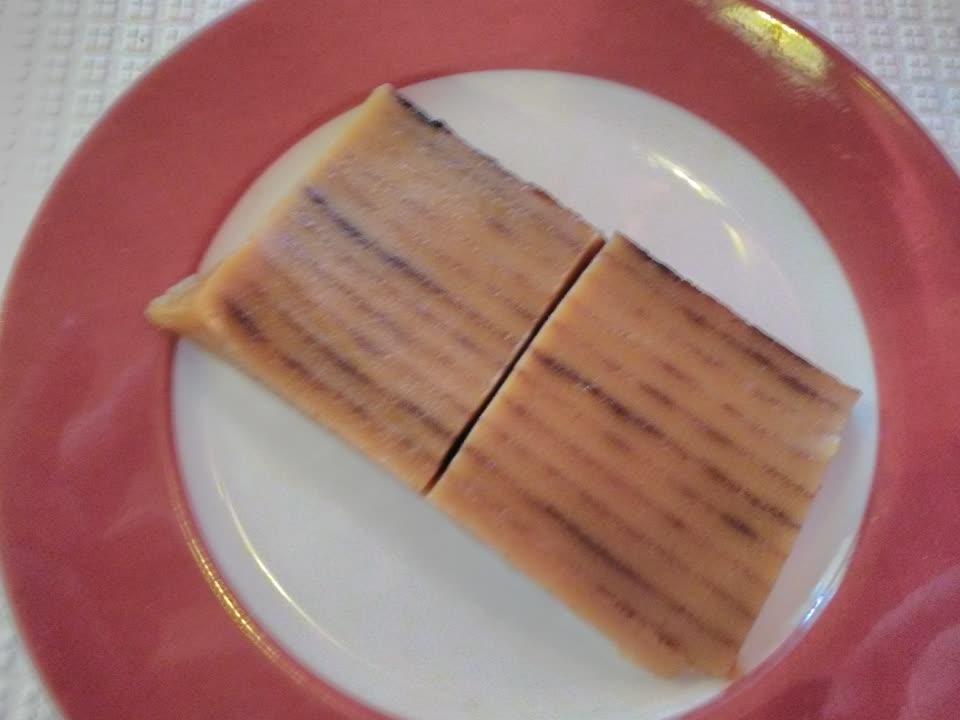
A coconut-and-semolina cake, dense and sweet, and the one most particular to the Pakistani Christmas table. «The highlight of these goodies remains the iconic fruit/plum cake and the baath cake, the latter of which is made with coconut and semolina. These cakes are among the most sought-after items during the Christmas season.» The bakeries sell a Christmas cake; the baath is not usually one of the things they sell. «Although local bakeries make and sell an assortment of 'Christmas cakes,' one can only taste cakes of 'real tradition' in Christian homes.»
The Christmas kitchen turns out a long list of small fried things, and the list is Goan before it is Pakistani: «neureo (pockets of fried pastry filled with grated coconut and dried fruit), kulkul (deep-fried dough snacks shaped like shells), vodde (deep-fried puris), bebinca (sticky multilayered cake), chakleo (savoury spiral-shaped snack), jujup (jujubes), marzipan and coconut and milk toffee.» «Most of these are Christmas delicacies found in Christian homes, especially those with origins in Goa.»
Widely repeated claims about Christmas in Pakistan that do not survive
checking. Each one says what is actually the case, because a correction
with nothing in its place leaves you worse off than before.
Oversimplified
25 December is a holiday in Pakistan because of Christmas
What is actually the case. It is a holiday for two reasons at once, and the Cabinet Division prints both on one line: «Quaid-e-Azam Day/ Christmas». Muhammad Ali Jinnah, the founder of Pakistan, was born on 25 December 1876, so the date was a national one on its own account. A writer in Islamabad put the consequence plainly: «Since December 25 is a national holiday in Pakistan non Christians celebrate it too for it was on his day in 1876 that Mohammad Ali Jinnah, Pakistan's founder, was born.»
The test that separates them is the next line of the circular. Item 12 is «Day after Christmas», 26 December, and against it the state has written «(For Christians only)». That is the day Pakistan gives Christians as Christians. The 25th they share.
Christians cannot celebrate Christmas openly in Pakistan
What is actually the case. Christmas is a public holiday for the entire country. The head of state issues a message in two languages. Churches are lit and full, carol parties go house to house, the Midnight Mass is packed, and Christian schools rearrange their exam timetable around the season. None of that is hidden and none of it is tolerated quietly — it is in the state's gazette and on the presidency's website.
What is true is the threat the openness is conducted under, and it is specific rather than atmospheric. The Punjab police grade every church in the province by how likely it is to be attacked, posting more than 30,000 officers at 2,900 of them, and an Urdu news bulletin lists the guards alongside the lights as part of the ordinary description of the day. So Pakistani Christians celebrate Christmas publicly, with the state's holiday and the state's police — and the police are there for a reason.
The head of state of an Islamic republic issues a Christmas message every year, in English and in Urdu, and it calls Jesus by his Islamic name. The 2024 message: «Christmas is a day that commemorates the birth of Hazrat Isa (A.S), whose teachings of love, compassion, and peace continue to inspire and guide us.» The Urdu half says the same thing in the same register — «کرسمس کا دن حضرت عیسیٰ ؑ کی ولادت کی یاد میں منایا جاتاہے». The message goes on to name the Christian community's work in «education, healthcare, community service, social welfare, and public service».
A Karachi seminary has been asked, in writing, whether a Muslim may wish a Christian a happy Christmas, and has answered no. The question put to the darul ifta of Jamia Uloom-ul-Islamia at Banuri Town was «کرسمس کی مبارکباد دے سکتے ہیں؟ کیا یہ شرک تو نہیں؟» — may one give Christmas congratulations, and is it not polytheism? The ruling: «کرسمس کی مبارکباد دینا جائزنہیں۔ اگر اس سے ان کی دین کی تعظیم مقصود ہو تو کفر کا اندیشہ ہے» — giving Christmas congratulations is not permissible, and if it is meant as veneration of their religion there is a danger of unbelief. The president of the country does it anyway, in Urdu, every year.
Christians are about one in seventy Pakistanis, and their own leaders say the count is wrong. «According to Pakistan's 2023 digital census, Muslims make up 96.4% of Pakistan's population, down from 96.5% in 2017. Christians make up 1.4% of the population in 2023, and Hindus 1.6%, as opposed to 1.3% and 1.7% respectively in 2017.» So Christians are the second-largest religious minority and narrowing on the first. The caveat is in the same paragraph: «Christian church leaders in Pakistan have argued that the census 'grossly undercounts' the number of their followers in the country».
Every claim carries its own citation. They are collected below, so you
can see what the page rests on and how much of it comes from where.
ملک بھر میں مسیحی برادری آج کرسمس ڈے منا رہی ہے — Aaj News, Karachi. Retrieved 2026-10-25.The same bulletin reports «ملک بھر کے چراغاں گرجا گھروں میں خصوصی خدمات کا انعقاد کیا جا رہا ہے» — special services in illuminated churches across the country — and that Christians decorated their homes and churches with coloured lights and put up Christmas trees.
Christmas in an Islamic country: festivities, traditions and solidarity — AsiaNews, the agency of the Pontifical Institute for Foreign Missions, from Islamabad. Retrieved 2026-10-25.«In schools December is supposed to be the month for third term exams, but in Christian Schools they are often anticipated to November or the first week of December so that the rest of the month can be spent in Christmas preparations. Students need the time to rehearse for the Nativity play, usually staged on the last days of school of December 20 or 21 before Winter break.»
Police deploy 30,000 cops for Christmas, Quaid-e-Azam Day security — Associated Press of Pakistan (APP), the state news agency. Retrieved 2026-10-25.«Punjab Police have finalised a comprehensive security plan for Christmas and Quaid-e-Azam Day, deploying more than 30,000 police officers and personnel to ensure security at over 2,900 churches across the province, including Lahore… Women police personnel will also be deployed to conduct checking of female citizens during Christmas and Quaid-e-Azam Day events.»
Christmas Traditions of Pakistan — Aurora, Dawn Media Group, Karachi. Retrieved 2026-10-25. archived 25 December 2024The same article records the decoration — «Christian homes, neighbourhoods and places of worship in Pakistan are beautifully decorated with Christmas stars, trees, wreaths and twinkling lights» — and the children's Christmas Tree Party, where Santa Claus hands out the gifts.
Circular F.No. 10-1/2024-Min-II: Public and Optional Holidays for the Year 2025 — Cabinet Division, Cabinet Secretariat, Government of Pakistan. Retrieved 2026-10-25. archived 18 May 2026«Quaid-e-Azam Day/ Christmas» — Thursday — 25th December, 202512. «Day after Christmas» — Friday — 26th December, 2025 «(For Christians only)»Good Friday and «Easter/ Day After Easter Sunday» appear further down, among the OPTIONAL holidays, with Holi, Diwali, Nauroze, Buddha Purnima and the birthday of Guru Nanak.
Freedom of religion in Pakistan (CDP-2024-0157) — House of Commons Library, UK Parliament. Retrieved 2026-10-25. archived 3 October 2026The same briefing quotes Article 20 of Pakistan's constitution, which guarantees the right to profess and practise a religion «subject to law, public order, and morality».
کرسمس (Christmas) — اردو ویکیپیڈیا (Urdu Wikipedia). Retrieved 2026-10-25. archived 7 June 2026The article's own list of the feast's Urdu names: «کِرِسْمَس، بڑا دن، جشن ولادت مسیح، عید ولادت مسیح اور عید ولادت خداوند».It is not: «Bara Din» is independently attested by AsiaNews, writing from Islamabad, and «کرسمس» by the Pakistani presidency's own Urdu text and by the Banuri Town darul ifta.