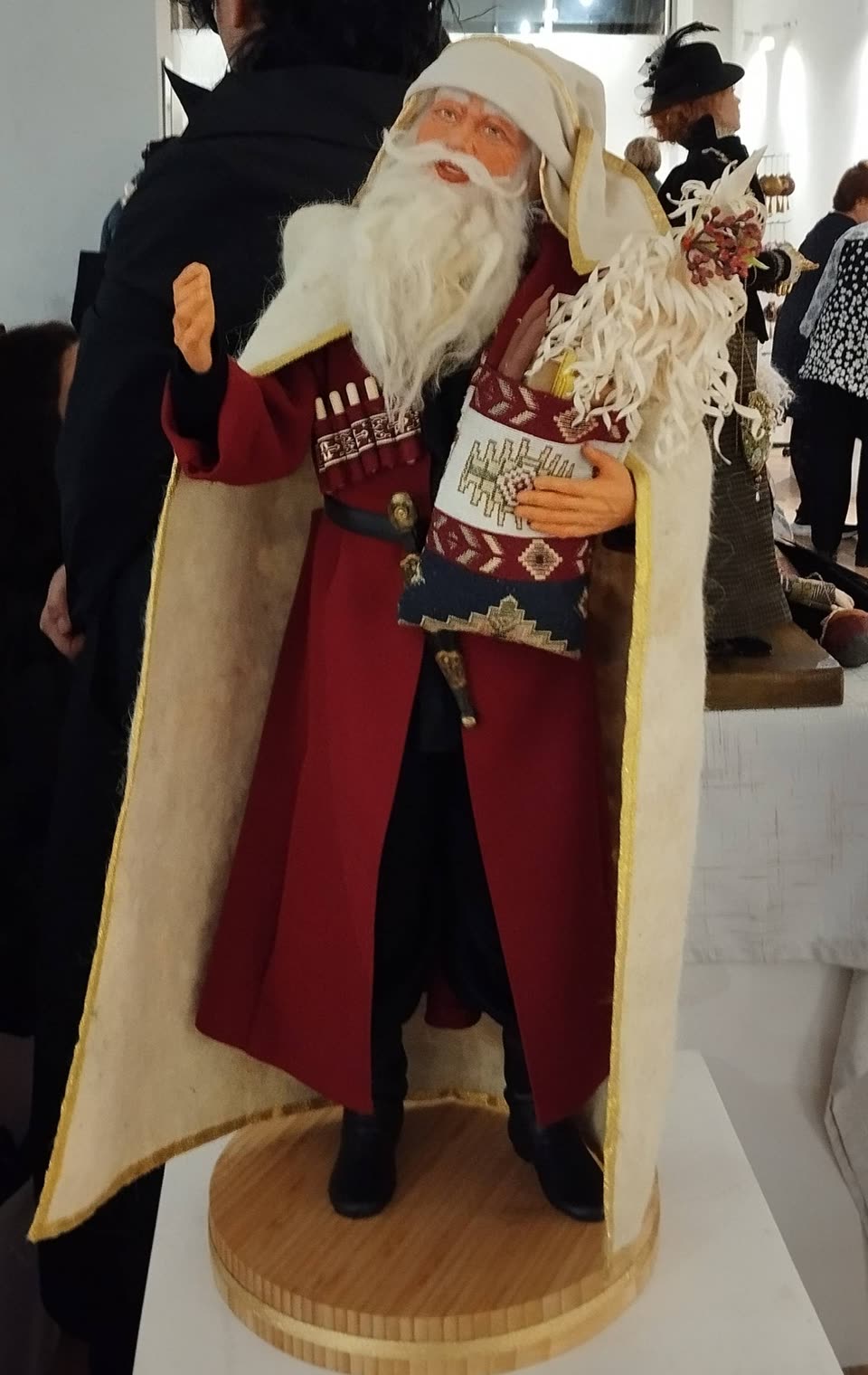
«Grandfather Snow», and in western Georgia თოვლის ბაბუა, Tovlis Babua. He comes on New Year's Eve rather than at Christmas, in a nabadi — the felted sheep's-wool cape of Georgian dress — and his is notoriously white, where the nabadi worn with traditional costume is brown, black or another dark colour. Along with the presents he hands out churchkhela.
A folklorist writing on Georgian folklore places the figure in the Soviet century: the Georgian tovlis babua is the local form of the secular Grandfather Frost, dressed in a white chokha and akhalukhi with a white nabadi and a saddle-bag, under a shared Soviet idea of Ded Moroz drawn from Russian folklore, with permission for ethnic adjustments.
So he is Georgian in costume and recent in origin, and he does not belong to the 7th.
Alilo: the city walks from the Republic to the cathedral on 7 January
On the morning of 7 January a procession of pilgrims and choirs sets out from First Republic Square in Tbilisi and ends at Sameba, the Holy Trinity Cathedral, where the Christmas service is held. Participants dress as shepherds, wise men and angels, so the route itself becomes a moving nativity; it runs along Rustaveli Avenue, through Freedom Square and over the Baratashvili Bridge.
It is also a collection. The donations gathered along the way are given to orphanages, prisons and nursing homes.
The procession in this form dates from 2000, when it was revived with the blessing of the Catholicos-Patriarch. Press accounts call it a revival rather than an invention, and that is as far as the sourcing goes — see the correction below about how old Alilo is said to be.
The older Alilo came to the door, and the housewife paid it in churchkhela
Before it was a city procession, Alilo was house-to-house singing. A choir of men would come through the neighbourhoods greeting the feast in song, and the woman of the house rewarded the announcers with churchkhela, fruit and food — mainly bread, sugar and eggs. Later the men gave way to children, and money and other sweets were added to the churchkhela.
The account is a Gurian newspaper's, written in 2021 about a custom it describes as long established, and it is the version of Alilo that explains the name: the singers are makharobelni, bearers of good news, and they are paid at the door.
Theophany on 19 January is a holiday of its own, twelve days later
January holds three public holidays in Georgia and Christmas is the middle one. The first and second are the New Year; the seventh is the Nativity; the nineteenth is ნათლისღება, Theophany, the day of Christ's manifestation and of the blessing of the waters.
So the Georgian Christmas season does not end on the 7th. It runs to the 19th, which is where several of the customs below actually finish.
At Theophany the Patriarch baptises hundreds of infants at once
On Theophany 2017 the Catholicos-Patriarch baptised 670 infants in a single service at Sameba. The Patriarchate told a Georgian news site that, counting that forty-seventh general baptism, he had by then baptised 30,908 children, most of them boys.
The arrangement is an open standing offer rather than a one-off: by the Patriarch's initiative, parents may have every third child baptised by him. Some parents and clergy spoke about it in terms of the country's falling birth rate — a thing people said about it, not an effect anybody has shown.
In Guria the New Year is Kalanda, and the first-footer decides the year
Western Georgia keeps a New Year of its own, Kalanda, and in Guria it has a cast. The main guest is the მეკვლე, the first-footer — also called kuchkha or pekhad there — who comes in after midnight loaded with gifts, fires a shot, lights the hearth and wishes the household abundance and happiness. He has to be a healthy and fortunate man and good company, because what he brings in is the year. There is a call and response at the door: «open the door!» — «what have you brought?»
The table is a pig killed for Kalanda, gvezeli, gozinaki, black wine in the cellar, and krimanchuli singing. The main object is the chichilaki.
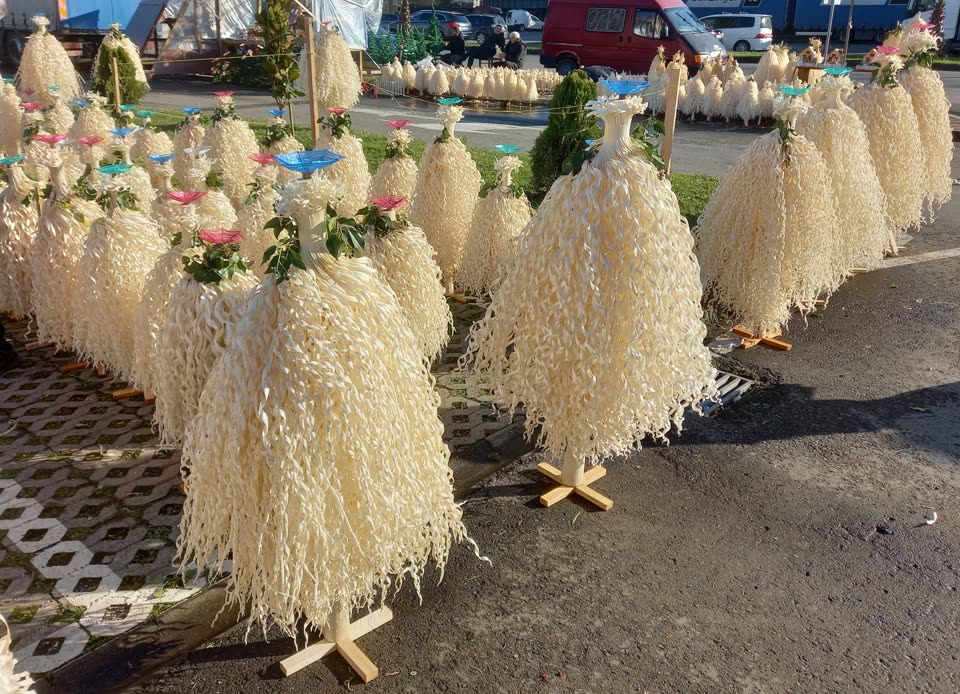
The chichilaki is a shaved hazel tree, and the shavings are St Basil's beard
In western Georgia the New Year object is the ჩიჩილაკი: a thick hazel stick, warmed for pliancy, peeled, and shaved into long thin curls from the base towards the tip so that the curls stay attached and hang like a pale beard. They are called chichilaki, or ბასილას წვერი — Basil's beard. A stand is fixed at the bottom; the top is notched into a cross and fitted with pointed sticks that can carry pomegranates or apples and round «eggs». It has been decorated with a stuffed blackbird, coloured threads and wrapped sweets, and in Imereti sometimes coloured with madder.
The most fully developed form, according to the ethnographic dictionary, is the Gurian კალპიანი chichilaki. In Guria the object is kept until Theophany and then burned, or sent away down the water.
In Samegrelo the Christmas pig is killed and then nobody may eat it
On Christmas Eve in Samegrelo a pig is slaughtered for the feast — the საქირსე ღორი, the Christmas pig — and eating the meat is forbidden until the fast is over.
So the most conspicuous preparation for the feast is a dish that cannot be served at it. The fast ends and the meat is eaten then.
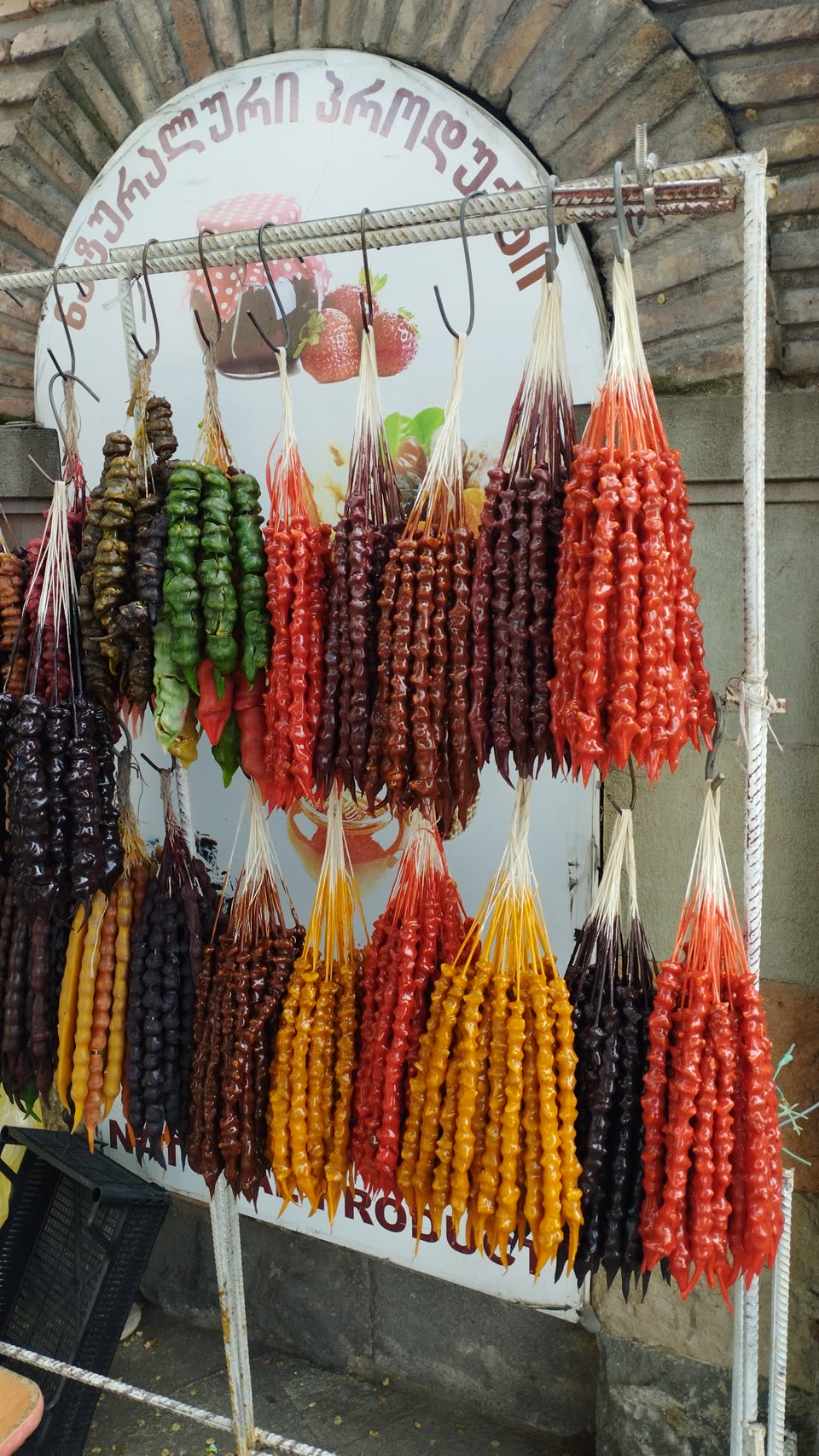
Nuts threaded on a string and dipped again and again in thickened grape must until they set in a firm candle-shaped sheath, then hung to dry. In western Georgia it is called ჯანჯუხა, janjukha.
It turns up three times over in the Georgian midwinter and never only as a sweet: it is what the Alilo singers were paid at the door, it is hung on the chichilaki as decoration, and it is listed among the sweets of the Christmas and New Year table alongside honey, nuts and dried fruit.
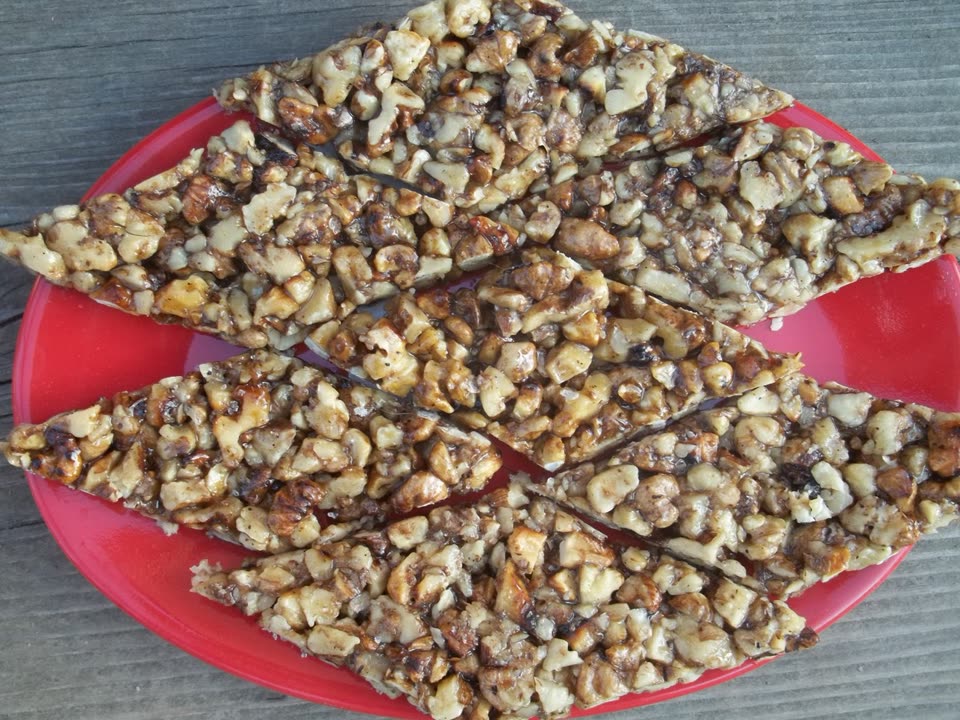
Walnuts in honey, cut into diamonds while still warm. In Meskheti the version recorded on the festive table is made with mulberry syrup — თუთის ბექმეზი — and chopped walnuts rather than honey.
It also appears on the Gurian Kalanda table, which is the New Year rather than the 7th.
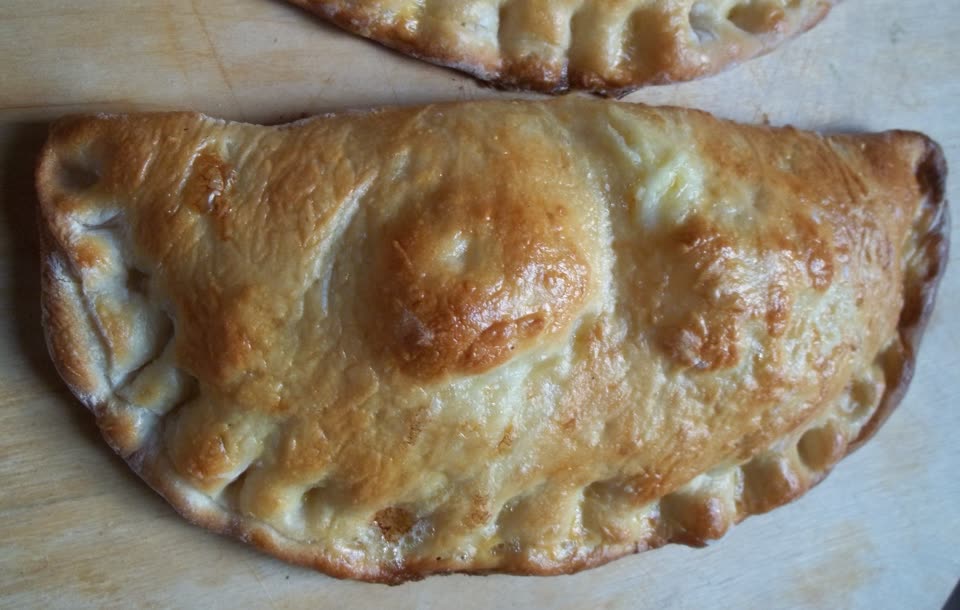
In Guria the Christmas baking starts with gvezeli, and the shape is prescribed: a half-moon of wheat-flour dough holding cheese and a boiled egg cut in half. One is baked for every member of the family, and a larger one of the same ingredients, the მუცლის სალოცავი, is made beside them.
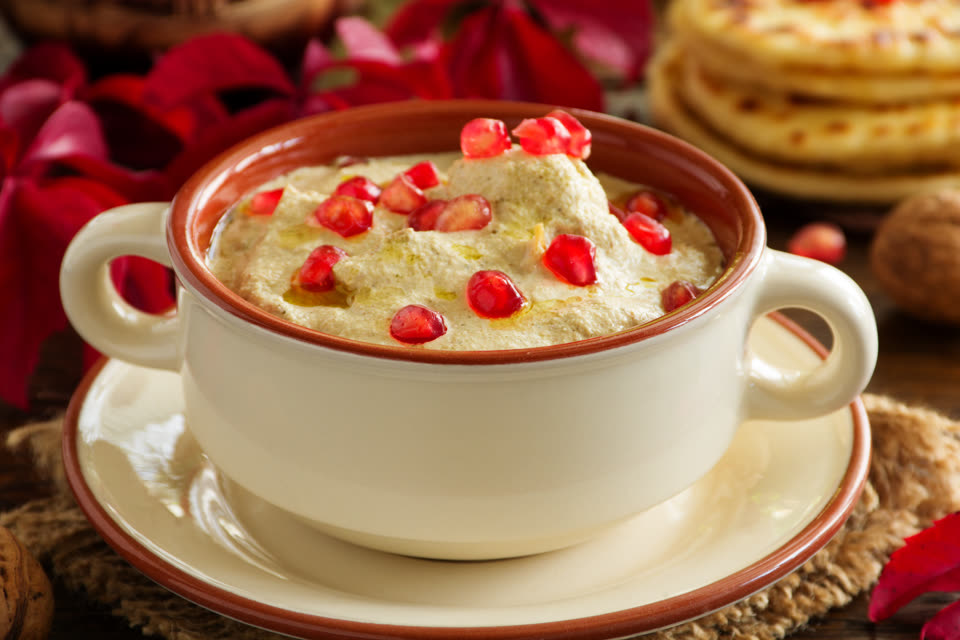
Poultry served cold in a walnut sauce, and the dish the regional survey names for three regions at once: Imereti, Guria and Samegrelo. Samegrelo also has ელარჯი and ღომი, the maize dishes, on the same table.
There is no single Georgian Christmas menu to list. What the sources give is a map.
Widely repeated claims about Christmas in Georgia that do not survive
checking. Each one says what is actually the case, because a correction
with nothing in its place leaves you worse off than before.
Contradicted
Georgia celebrates Christmas on 25 December.
What is actually the case. The public holiday for the Nativity is 7 January, and the Labour Code says so by name. Article 30 lists 1 and 2 January as the New Year holidays, 7 January as the day of the Nativity of Our Lord Jesus Christ, and 19 January as Theophany. 25 December does not appear in the article at all — the absence was tested rather than assumed.
What does happen on 25 December is on a different document: the state religious calendar lists it as the enthronement day of the Catholicos-Patriarch, and as Christmas for communities in Georgia that keep the Gregorian date.
What is actually the case. It is a real Georgian object and it is widely sold as exactly that, but the ethnography puts it on another feast and in part of the country. The university's ethnographic dictionary defines it as a ritual object made for New Year first-footing and greeting, current in western Georgia, and a regional feature calls it the main attribute of Kalanda — the old-style New Year — in Guria, where it is kept until Theophany and then burned or sent down the water.
So it belongs to the New Year rather than to 7 January, and to the west rather than to the whole country. The association it carries is St Basil, whose day is 1 January.
Tovlis Papa is Georgia's ancient Christmas gift-bringer.
What is actually the case. He is Georgian in dress and he is a New Year figure, and the oldest layer anybody has shown is Soviet. A magazine feature describes him delivering presents on New Year's Eve in a notoriously white nabadi, and a folklorist writing on Georgian folklore describes the Georgian tovlis babua as the local form of the secular Grandfather Frost — white chokha and akhalukhi, white nabadi, saddle-bag — under a shared Soviet idea of Ded Moroz based on Russian folklore, with permission for ethnic adjustment.
The earliest layer anybody documents is the Soviet one, and no account places him on the 7th. The white cape is a real Georgian distinction and it is the part worth keeping.
What is actually the case. The claim circulates in tourism copy, which also derives the name from «hallelujah», and neither has a dated source behind it. What is sourced is narrower and more useful: the Tbilisi procession in its present form was revived in 2000 with the Catholicos-Patriarch's blessing, reported by three separate desks, and a 2021 Gurian newspaper describes the older house-to-house version with the churchkhela paid at the door.
That the custom is older than 2000 is what «revived» means and the press says it plainly. How much older than that is not established.
Georgia's 25 December is in the state religious calendar, and it is about a person rather than a birth. The 2026 calendar issued by the State Agency for Religious Issues gives 7 January as ქრისტეშობა for the Georgian Orthodox Church, and lists 25 December as the day of the enthronement of Catholicos-Patriarch Ilia II. The same December tables carry 25 December as Christmas for other communities, and 8 December as the Immaculate Conception.
The Patriarch who blessed the modern Alilo is no longer the Patriarch. Ilia II led the Georgian Orthodox Church from 1977 and died on 17 March 2026, aged 93, the 141st Catholicos-Patriarch of All Georgia. Metropolitan Shio was elected to succeed him on 11 May 2026 and is Shio III. So the 7 January 2026 procession, blessed in his name, was the last of his lifetime.
The thing hung on a Georgian New Year tree is the tree. A chichilaki is not decorated with tinsel; it is a hazel stick whose own shavings are the ornament, curled out of the wood from the base up and left attached. Read one way they are the beard of St Basil the Great, read another the whole object is the sun, and in Guria it ends in the fire or in the river at Theophany rather than being put away for next year.
Every claim carries its own citation. They are collected below, so you
can see what the page rests on and how much of it comes from where.
„შემოდიოდა ჩიჩილაკებით ჩვენში კალანდა“ — ძველით ახალი წელი გურიაში — Ana Akhaladze, AdjaraTV, 13 January 2020. Retrieved 2026-11-10.The table and the two central figures in one sentence: «მეკვლის ფეხადობით, საკალანდოდ დაკლული ღორით, ღვეზლით, გოზინაყით, მარანში შავი ღვინით და კრიმანჭულით ეგებებიან გურულები ახალ წელს. კალანდის მთავარი ატრიბუტი ჩიჩილაკი, ხოლო მთავარი სტუმარი მეკვლეა.» And the first-footer's qualifications: «მეკვლე აუცილებლად უნდა იყოს ჯანმრთელი და ბედნიერი ადამიანი, საინტერესო მოსაუბრე.»
The Soviet Christmas Tree and Santa Claus — A symbol of Children's joy or a Means of Manipulation — Eter Intskirveli, Georgian Folklore Magazine (geofolk.ge). Retrieved 2026-11-10. archived 18 May 2026For the layer underneath: «the Georgian tovlis babua was dressed in a white chokha - akhalukhi, with a white nabadi cloak and a saddle-bag», and «All nations had to subscribe to the shared idea of the secular Grandpa Frost based on Russian folklore, with the legal “permission” to make ethnic/cultural adjustments.»
Winter Holidays in Proper Georgian Fashion — Georgia Today. Retrieved 2026-11-10. archived 16 February 2026The figure and the cape: «Tovlis Papa (or Tovlis Babua in western Georgia) is a white-bearded counterpart to Santa Claus, with his name literally translating to “Grandfather snow.” Like any proper Santa version, he delivers presents to Georgian children on New Year's Eve... His cape, known locally as a “nabadi,” is notoriously white, while other nabadis worn in traditional Georgian attire are brown, black, or other dark colors. Along with presents, Tovlis Papa hands out churchkhela.»
December 25 is Enthronement Day of Catholicos-Patriarch of All Georgia — Georgia Today. Retrieved 2026-11-10. archived 8 February 2026The commemoration reported in English, with the agency's own congratulation quoted: «The State Agency for Religious Issues congratulates the outstanding religious leader and public figure of the 20th-21st centuries, Catholicos-Patriarch of All Georgia, Archbishop of Mtskheta-Tbilisi, Metropolitan of Bichvinta and Tskhum-Abkhazia, Ilia the Second, on the day of his enthronement.»
Metropolitan Shio elected Georgia's new Catholicos-Patriarch — Georgia Today, 11 May 2026. Retrieved 2026-11-10. archived 11 June 2026The report gives both ends of the succession: the election followed «the death of Georgia's 141st Catholicos-Patriarch, His Holiness and Beatitude Ilia II, who passed away on March 17, 2026, at the age of 93. Following Ilia II's death, the election of a new spiritual leader of the Georgian Orthodox Church was placed on the Church's agenda.»
Alilo: The Living Tradition of Christmas in Georgia — Georgia Today, 9 January 2025. Retrieved 2026-11-10. archived 18 February 2026For the costumes and the full route, which the two news reports give only as endpoints: participants «don costumes reminiscent of shepherds, wise men, and angels», and the route «winds through Tbilisi, beginning at Republic Square and traversing iconic landmarks such as Rustaveli Avenue, Freedom Square, and the Baratashvili Bridge before culminating at the towering Sameba Holy Trinity Cathedral». It dates the modern form to «its official institutionalization in 2000», which is a third desk on the same year.
ჩიჩილაკი, in საქართველოს ეთნოგრაფიული ლექსიკონი — Ilia State University, Institute of Visual Anthropology. Retrieved 2026-11-10. archived 7 July 2025The dictionary defines the object by its occasion: «ჩიჩილაკი ხის ფორმის რიტუალური საგანი, მზადდება საახალწლოდ მიკვლევა-მილოცვისათვის. გავრცელებული იყო დასავლეთ საქართველოში. არსებობდა ჩიჩილაკის რამდენიმე ნაირსახეობა, რომელთაგან განსაკუთრებით სრულყოფილი ჩანს გურული კალპიანი ჩიჩილაკი.» And names the curls: «მათ ჩიჩილაკის ან „ბასილას წვერი“ ერქვა.»
“Alilo” procession is underway in Tbilisi — Interpressnews, 7 January 2026. Retrieved 2026-11-10. archived 19 January 2026Reported on the day: «A group of pilgrims and choirs began the procession from First Republic Square. The procession will conclude at the Holy Trinity (Sameba) Cathedral, where a Christmas prayer service will be held.» And on the date of the revival: «The tradition of the “Alilo” procession was revived in 2000 with the blessing of the Patriarch.»
Organic Law of Georgia — Labour Code, Article 30 (უქმე დღეები) — Legislative Herald of Georgia (matsne.gov.ge). Retrieved 2026-11-10. archived 29 October 2026Article 30 lists the holidays in order, and the Nativity is one of three in January: «ა) 1 და 2 იანვარი – ახალი წლის სადღესასწაულო დღეები; ბ) 7 იანვარი – უფლისა ჩვენისა იესო ქრისტეს შობის დღე; გ) 19 იანვარი – ნათლისღება – უფლისა ჩვენისა იესო ქრისტეს გაცხადების დღე;» — 1 and 2 January for the New Year, 7 January for the Nativity of Our Lord Jesus Christ, and 19 January for Theophany, the day of his manifestation.
ნათლისღება სამებაში — ილია მეორე უკვე 31 ათასამდე ბავშვის ნათლიაა — Netgazeti, 19–20 January 2017. Retrieved 2026-11-10. archived 14 May 2026The figures are the Patriarchate's, given to the paper: «ილია მეორემ სამების საკათედრო ტაძარში 670 ჩვილი მონათლა. საპატრიარქოში ნეტგაზეთს განუცხადეს, რომ ილია მეორეს 47-ე საყოველთაო ნათლობის ჩათვლით უკვე 30,908 ბავშვი ჰყავს მონათლული, ხოლო მათი უმეტესობა ბიჭია.» And the standing offer: «მისი ინიციატივით, მშობლებს ყოველი მესამე შვილის მონათვლა შეუძლიათ.»
როგორ ხვდებიან შობას საქართველოს კუთხეებში — Prime Time (Georgia). Retrieved 2026-11-10.«სამეგრელოში შობის წინა დღეს საშობაო ღორს კლავენ, რომელსაც „საქირსე ღორი“ ეწოდება. ხორცის ჭამა გახსნილებამდე – მარხვის დამთავრებამდე იკრძალება.»
2026 რელიგიური კალენდარი — State Agency for Religious Issues of Georgia. Retrieved 2026-11-10. archived 16 October 2026The two dates in the calendar's own lines: «7 იანვარი - ქრისტეშობა - ხორციელად შობა უფლისა ღმრთისა და მაცხოვრისა ჩვენისა იესო ქრისტესი» and «25 დეკემბერი - სრულიად საქართველოს კათოლიკოს-პატრიარქის ილია II აღსაყდრების (ინტრონიზაციის) დღე». Another December block gives «8 დეკემბერი - ყოვლადწმიდა ღმრთისმშობლის უმანკო ჩასახვა; 25 დეკემბერი - ქრისტეშობა - შობა უფლისა ჩვენისა იესო ქრისტესი».
Alilo procession in Tbilisi (Photo) — Svetlana Alimova, 1TV (Georgian Public Broadcaster), 7 January 2026. Retrieved 2026-11-10.The state broadcaster, for the charity and for the 2000 date from a second desk: «Donations collected during the Alilo procession will be allocated to orphanages, prisons, and nursing homes.» And: «Since 2000, the solemn Christmas procession, blessed by Catholicos-Patriarch of All Georgia, Ilia II, has been a cherished tradition.»
ალილო, ჩურჩხელა, ფული და კვერცხი — შობის ტრადიციები საქართველოს კუთხეებში — გურიის მოამბე (Guria Moambe), 7 January 2021. Retrieved 2026-11-10.The custom in the paper's own words: «საუკუნეების განმავლობაში ჩამოყალიბებული იყო ტრადიცია – მამაკაცებისგან შემდგარი გუნდი ჩამოივლიდა უბანებს და სიმღერით ულოცავდა შობის დღესასწაულს. მახარობლებს ოჯახის დიასახლისი ჩურჩხელით, ხილით და სხვადასხვა პროდუქტით ასაჩუქრებდა. ძირითადად ეს იყო პური, შაქარი და კვერცხი. მოგვიანებით მამაკაცები ბავშვებმა შეცვალეს. ძღვენს კი ჩურჩხელასთან ერთად დაემატა ფული და სხვა სახის ტკბილეული.»