No. 25 December is an ordinary working day in Libya. It is kept by minority communities. قانون رقم 5 لسنة 2012 م بشأن العطلات الرسمية — المجلس الوطني الانتقالي, 8 January 2012, via the Libyan Law Society
How Christmas is kept
Tripoli
Christmas is kept strictly inside the church, and the bishop says so in those words
There is no Libyan Christmas outside a church compound. Asked before Christmas 2021 how his church lives Christmas in a Muslim country, the Apostolic Vicar of Tripoli, George Bugeja, answered: «Vamos celebrar o nascimento do Redentor na igreja, estritamente na igreja» — we will celebrate the birth of the Redeemer in the church, strictly in the church.
And of the day itself: «Claro, o Natal será como outro dia qualquer aqui» — of course, Christmas will be like any other day here.
Alongside the liturgy he describes what the parish was planning that year: a night of Christmas songs, and a show by the catechism children with presents from Father Christmas. Those were plans, published four days before the feast. The bishop is describing what his parish intended to do, not what it did.
The carol service is sung in several languages at once and ends in the dark
The Catholic community in Tripoli has a pre-Christmas carol evening it calls the Candelight. Agenzia Fides, on the afternoon of 7 December 2012, quoting the then Apostolic Vicar Giovanni Innocenzo Martinelli: «This is a Christmas song event according to the different traditions. There are several choirs, in particular in African and Philippines, all of whom will sing Christmas in their own language.»
The name describes the ending: «It is called Candelight because it ends with switching off the lights and the lighting up of a candle by each participant.» And then: «Then all together they sing Silent Night.»
Martinelli called it «a tried and tested tradition of our community» in 2012. Seven years later AFP found the ushers at the same church preparing a candlelight Mass as Christmas approached. The most recent account of it is that one, from December 2019.
The congregation gathers on a Friday, because that is the Libyan weekend
The church year in Tripoli is bent around the Libyan week. AFP, in December 2019: «On Friday afternoons -- a weekend in Libya -- the calm pervading outside the church doors contrasts against incessant comings and goings inside.» Christians, the report says, all of them foreigners, take the opportunity to flock to their place of worship.
What the reporter saw that Advent was an usher in a white jacket and black trousers conferring with the others about a candlelight Mass as Christmas approached, several languages mixing in the air, and six small girls in costume flapping their wings between the pews while he tried to keep order.
It was written in the middle of a war. Khalifa Haftar’s offensive on Tripoli had been running since April, and an air strike in July had killed fifty-three people at a migrant detention centre in Tajoura — the same migrant population much of the congregation comes from.
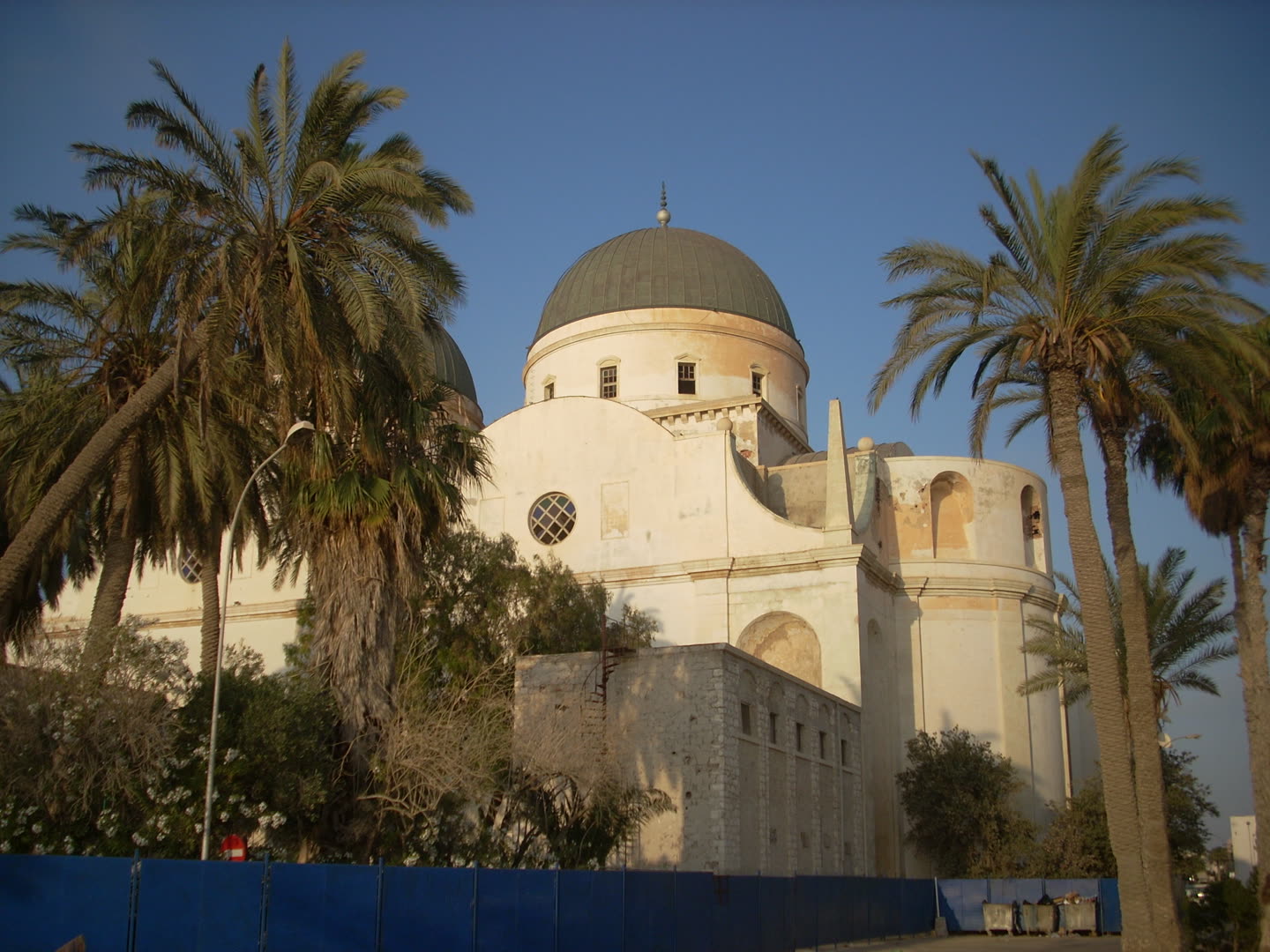
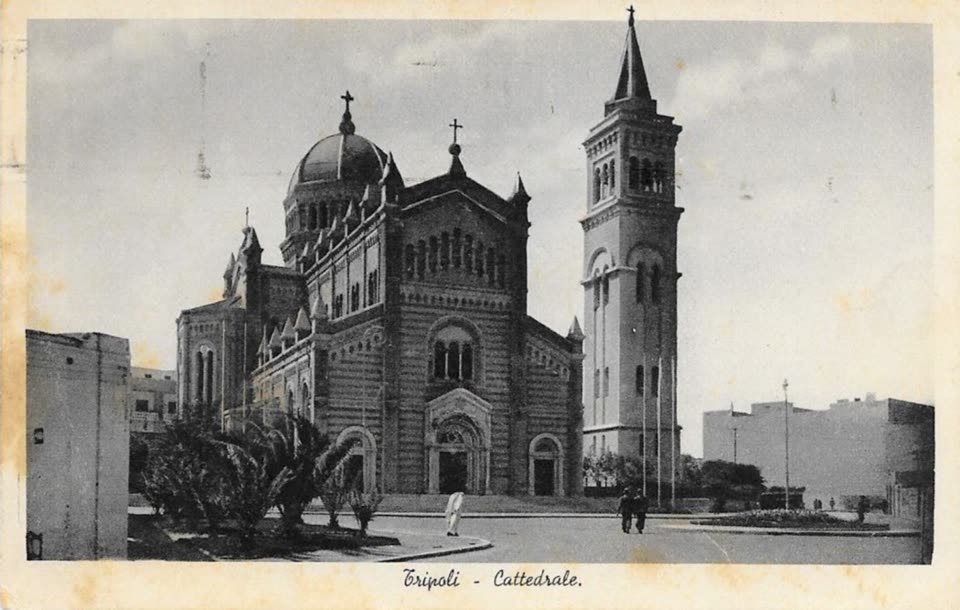
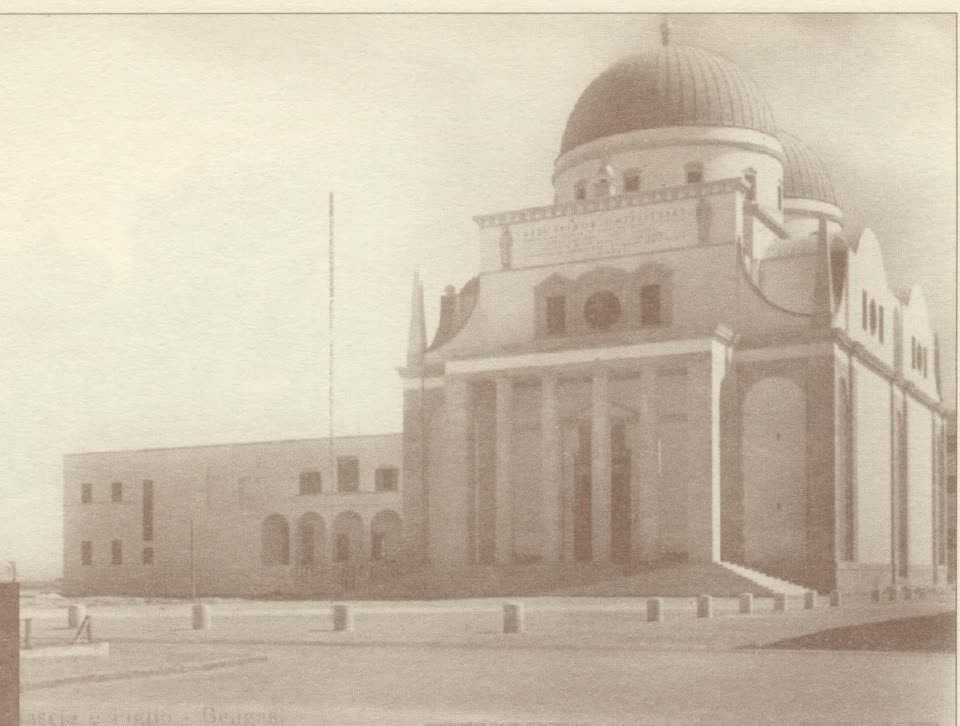
The cathedral became a mosque in 1970, so a parish church does the job
The church all of this happens in is not the building that was built for it. The Italian-era cathedral in Tripoli was turned into a mosque in 1970, and the Franciscan church of St Francis has served as the cathedral since.
The Braga interview puts the geography and the history in one sentence: «o mar está situado a duzentos metros da igreja que também funciona como Sé Catedral, uma vez que a “histórica”, construída nos anos 1920, foi transformada em mesquita em 1970» — the sea is two hundred metres from the church, which also serves as the cathedral, since the historic one, built in the 1920s, was turned into a mosque in 1970.
The church press puts the building in the 1920s and other accounts put it in the 1930s. What they agree on is that it went up under the Italian administration.
The schedule to Law 5 of 2012 lists fourteen official holidays. Nine are Islamic, one is Labour Day, and four are national — among them «عيد الاستقلال (1951م) 24 ديسمبر», Independence Day, 24 December, for the end of the UN trusteeship in 1951.
So Christmas Eve is a public holiday in Libya and Christmas Day is a working day. The word for Nativity does not appear anywhere in the law.
The State Department’s 2023 report gives Boston University’s 2020 estimate: «approximately 6.8 million Muslims, 36,000 Christians, and populations of Buddhists, Hindus, Sikhs, and atheists or agnostics that altogether number less than 20,000.»
The bishop of Tripoli, the year after, counted his own: «15 mil católicos numa população de mais de 6 milhões de habitantes» — fifteen thousand Catholics. Those two numbers are not measuring the same thing, since one counts all Christians and one counts Catholics, and they are still far apart.
The smallest number in the record is the one the diocese is surest of. Its own estimate of regular parishioners is «2,500-2,700 sub-Saharan Africans and Filipinos, a decline of approximately 700 parishioners from the previous year».
Almost none of them are Libyan. The State Department’s 2023 report: «The foreign Christian community consists almost exclusively of sub-Saharan African migrants and Filipino foreign workers, with smaller numbers of Egyptian migrants and foreign residents of Western nationalities.»
They divide by church along the same lines: «Most Filipino and some sub-Saharan African migrants are Catholic», and of the Egyptians, «most Egyptian Christians are members of the Coptic Orthodox Church.»
Where they can meet has narrowed. Catholic, Anglican and Protestant churches operate in Tripoli for foreigners; in Benghazi, «The Catholic cathedral in Benghazi, damaged in fighting in 2013-15, remained inaccessible.»
According to the US State Department’s 2023 religious-freedom report, Christians in Libya often feel uncomfortable wearing visible signs of their faith such as crosses, and Libyans who convert from Islam have faced arrests and strong family pressure.
The report’s own words on the first: Christians «often felt uncomfortable wearing visible markers of their religion, such as crosses or rosaries, for fear that it could lead to harassment». On the second, it records that in March and April the Tripoli-based Internal Security Agency «arrested at least eight individuals as part of an operation targeting Libyan Muslims alleged to have converted to Christianity».
None of that is Christmas-specific, and no report of an attack on a Christmas service in Libya was found.
قانون رقم 5 لسنة 2012 م بشأن العطلات الرسمية — المجلس الوطني الانتقالي, 8 January 2012, via the Libyan Law Society. Retrieved 2026-11-01. archived 29 June 2025Article 1 says the holidays are those in the attached schedule — «تحدد العطلات الرسمية في ليبيا وفق الجدول المرفق بهذا القانون» — and the schedule has fourteen entries: nine Islamic religious occasions, four national ones and Labour Day.