Christmas Day in Austria is 25 December. It is a public holiday.
How to say it
German
Frohe Weihnachten
Frohe Weihnachten
A synthesised voice — not a recording of a person — saying Frohe Weihnachten
in de-AT.
The ordinary German greeting, used by the Federal President of Austria to close his remarks at a Christmas party in the Hofburg in December 2025. Austria and Germany share the wording; what differs is everything around it.
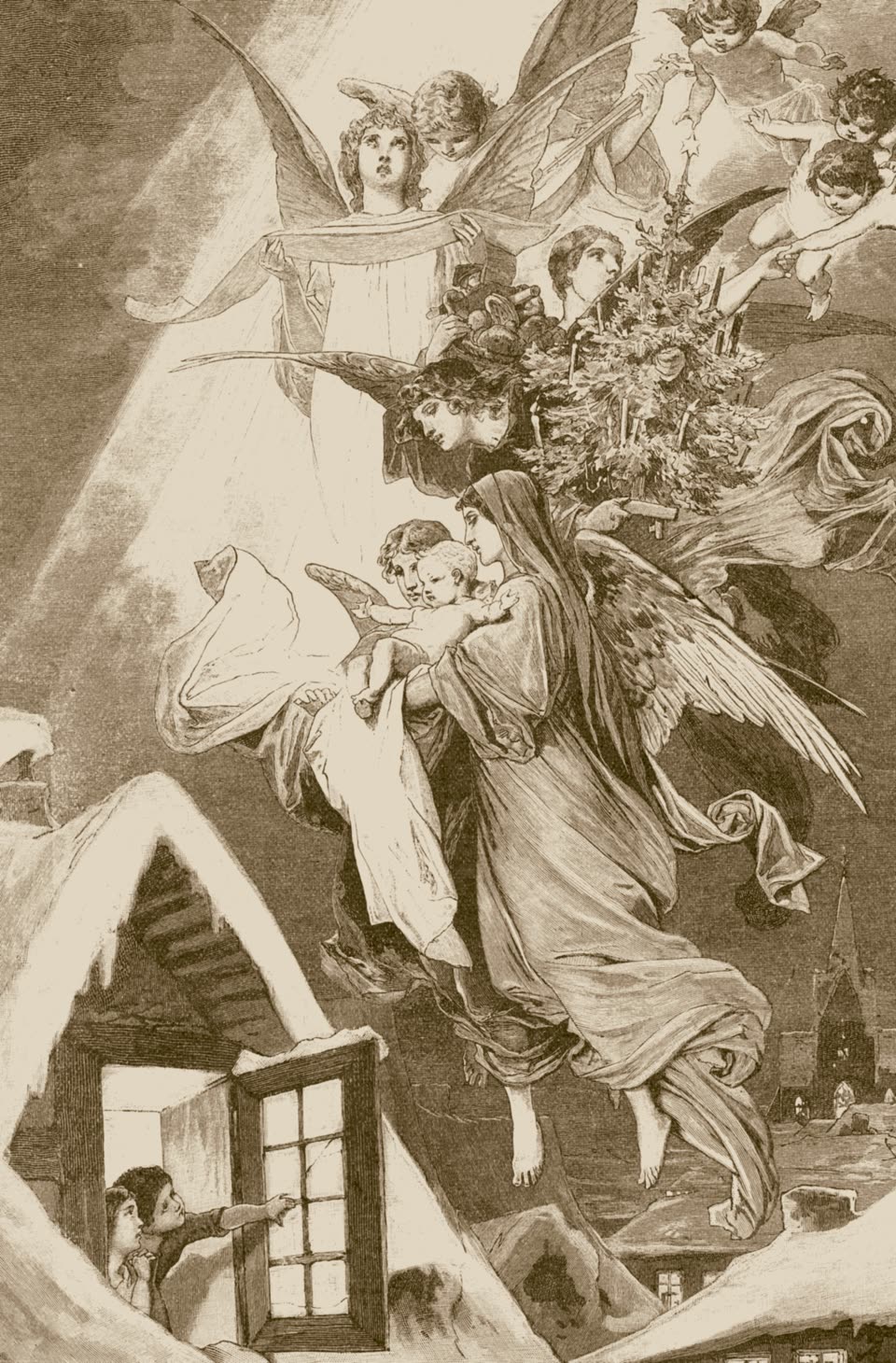
The Christkind brings the presents in Austria, and brings them on Heiliger Abend rather than in the morning. It is a symbolic figure rather than a character with a face: it is not seen, it is announced — by a bell, after which the door to the room with the tree is opened and the gifts are already underneath. What it is NOT is old. Until the 1830s the Austrian gift bringer was Nikolaus, and the switch followed the Christbaum displacing the crib as the symbol of the season.
Christkind — Wien Geschichte Wiki, Stadt Wien (the City of Vienna's own historical encyclopaedia)
How Christmas is kept
The law gives a right to rest. It does not give Christmas Eve
Austrian holiday law is employment law. The Arbeitsruhegesetz does not merely list feast days — it entitles an employee to an unbroken rest of at least twenty-four hours on each of them, beginning no earlier than midnight and no later than six in the morning. Thirteen days qualify, ten of them church feasts. Christmas Day and St Stephen's Day are both on the list. The 24th of December is not, which is the day Austrians actually keep: the tree is lit on Heiliger Abend and the presents are given that evening, on a day the statute treats as an ordinary working one.
The 8th of December is a holiday, and for a long time the shops were the argument
Mariä Empfängnis — the Immaculate Conception — falls on 8 December and is a full statutory holiday in Austria, listed in the same section of the Arbeitsruhegesetz as Christmas Day, between All Saints and Christmas. It sits in the middle of Advent, which gives the Austrian season a third fixed day off before the 24th even arrives.
«Stille Nacht» is listed national heritage, and it is from a village
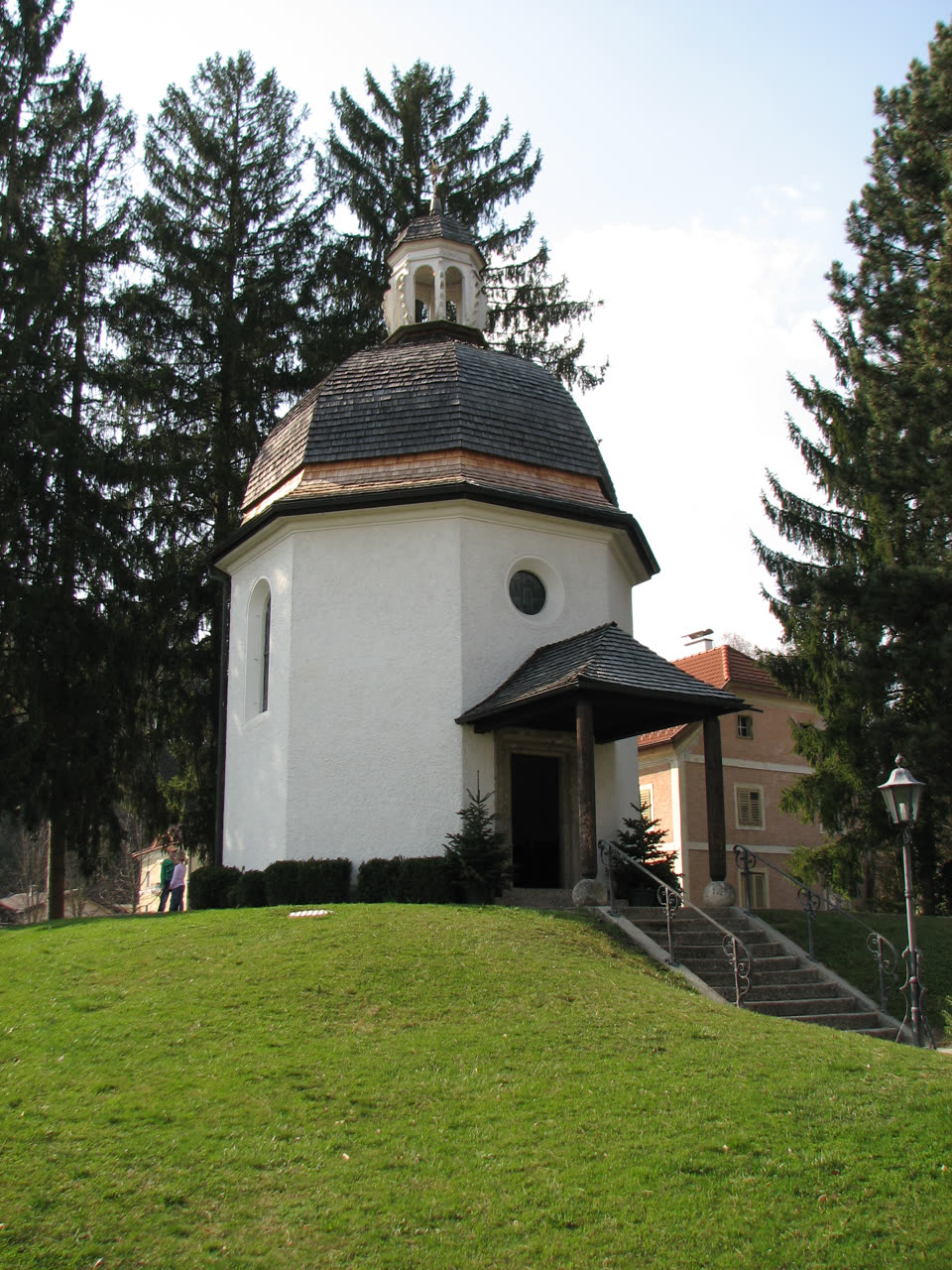
Austria's national inventory of intangible cultural heritage carries «Stille Nacht — das Lied zur Weihnacht», listed in 2011 for the whole country. The inventory's own description places the song composed in 1818 as a fixed point of Christmas Eve for a great many people, and for many the very definition of what a Christmas carol is. It was written in and for a particular place: the priest Joseph Mohr wrote the words, the schoolmaster Franz Xaver Gruber set them at Mohr's request, and it was first sung in the St Nikola church at Oberndorf bei Salzburg.
On the 5th and 6th of December, three villages perform St Nicholas and the devil
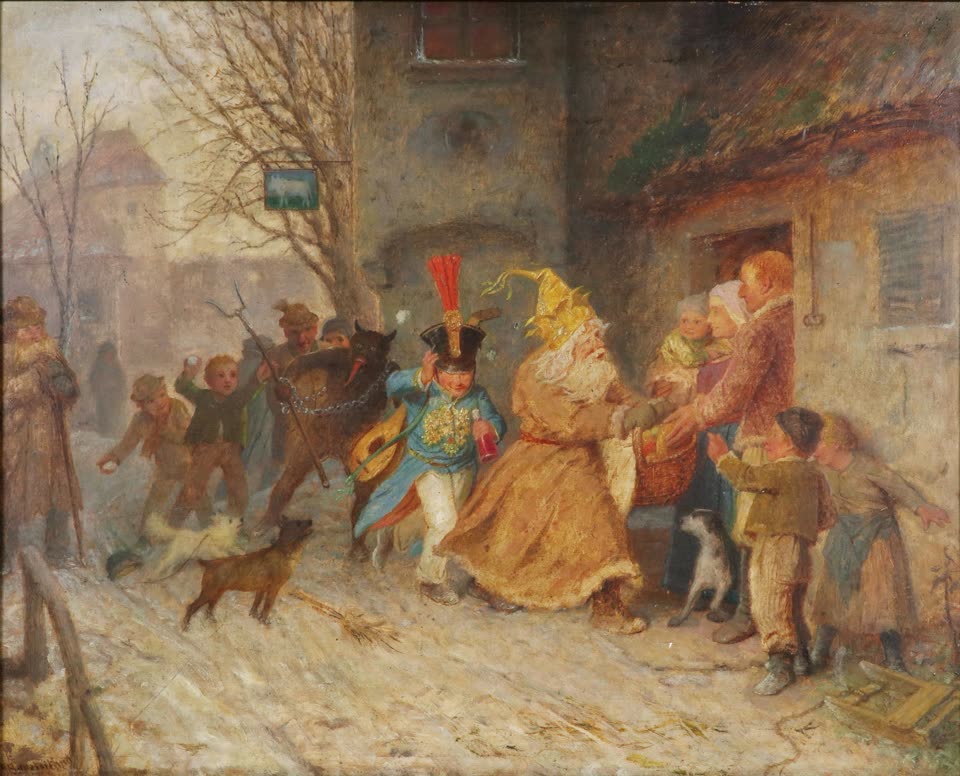
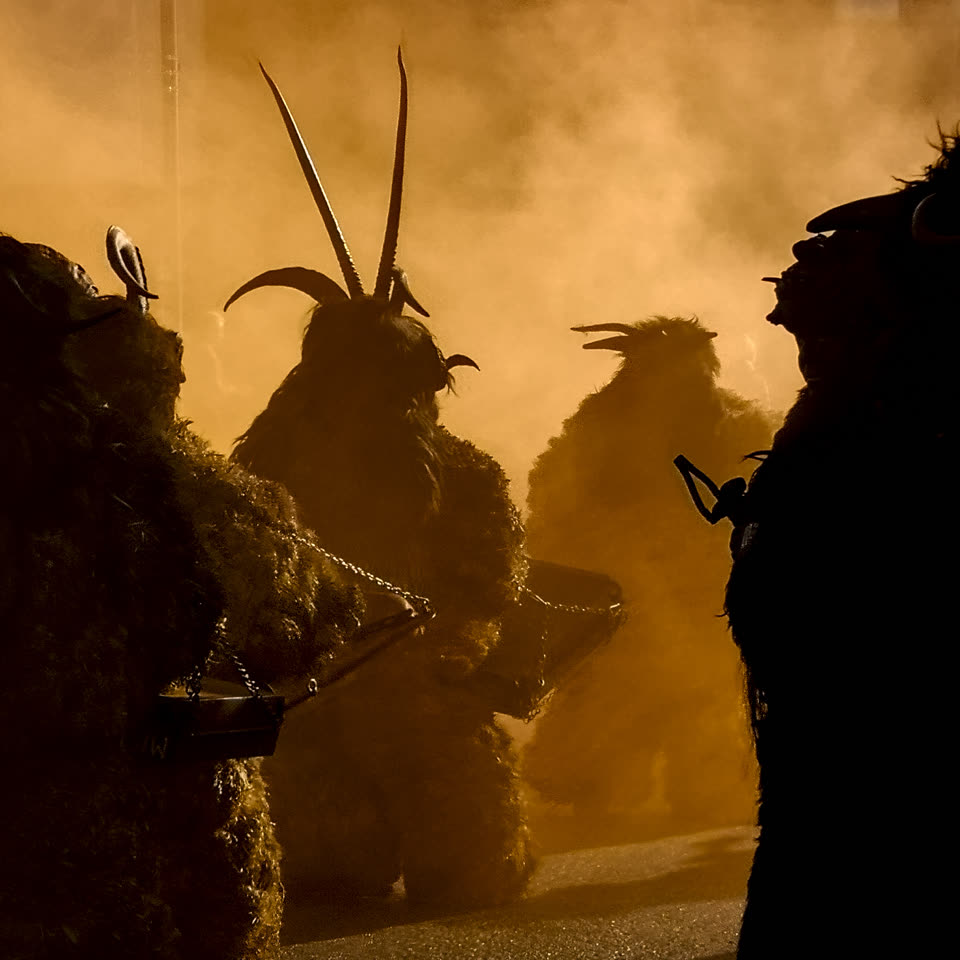
Austria's inventory lists several December folk plays, each kept by one place and each with its own date. The Öblarner Krampusspiel in Styria is described as one of the last Styrian folk plays: performed every year in early December by amateurs, as a parlour play and publicly in the market square. The Nikolospiel at Bad Mitterndorf, also Styrian, is a parlour and procession play given every year on 5 December in various locations. In Upper Austria the Windischgarstner Niglo-Umzug goes out on the eve of St Nicholas's day, 6 December — about thirty people including a night watchman and the Niglo master — and is a fixed point of Advent there.
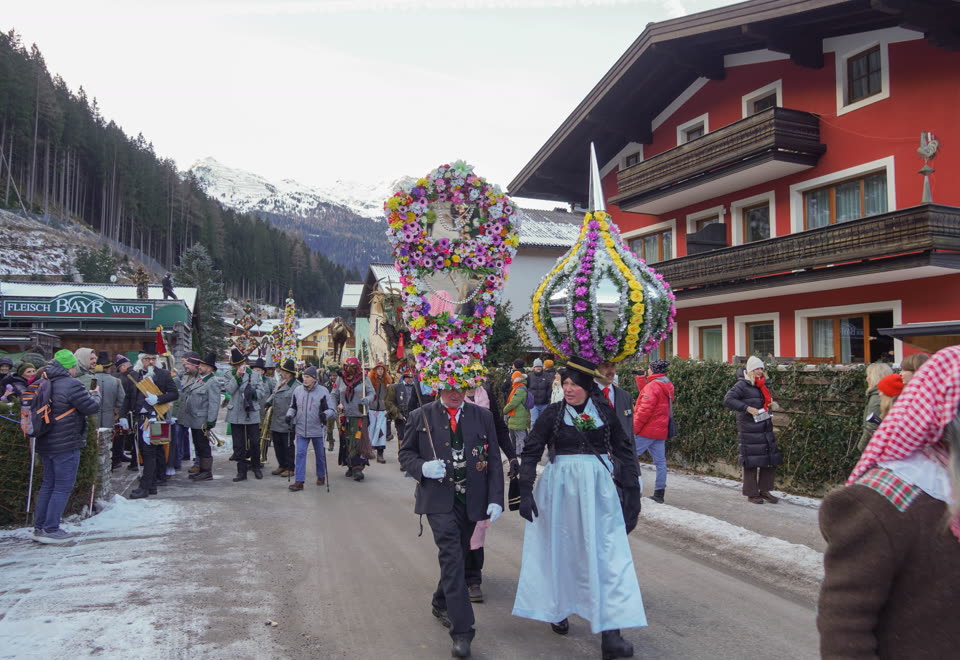
The Gastein Perchten run once every four years, between New Year and Epiphany
The Perchtenlauf in the Gastein valley is not annual. It happens every fourth year, in the days between New Year and Epiphany, around Bad Gastein and Bad Hofgastein, with roughly a hundred and forty figures walking in it. It has been on the national inventory since 2011.
In Stans they knock on doors on Advent Saturdays — every ten years
Anklöpfeln is a Tyrolean Advent custom of going from house to house on the Saturdays of Advent. The version at Stans is on the inventory in its own right, recorded there as handed down since the middle of the nineteenth century in a particular and dramaturgical form — and held only once a decade.
The Kletzenbrot dough was taken outside and rubbed on the fruit trees
The bread carried a job as well as a date. Once the dough was kneaded, the women baking it went out to the green and embraced the fruit trees with their doughy hands: the loaf's fertility-bringing power was supposed to produce a rich crop. Smaller loaves were made from the scraps and the dried-fruit waste and fed to the animals on Christmas Day as a «Maulgabe», to bring luck into the stable. What was left over could be offered to the Poor Souls, burnt with salt and ash in the embers in front of the oven. At Eferding in Upper Austria, until a few decades ago, people made circles from Kletzenbrot remains at crossroads and stood inside them to see the future on the night between Christmas Eve and Christmas Day. In many places the oven was then left to rest until Epiphany.
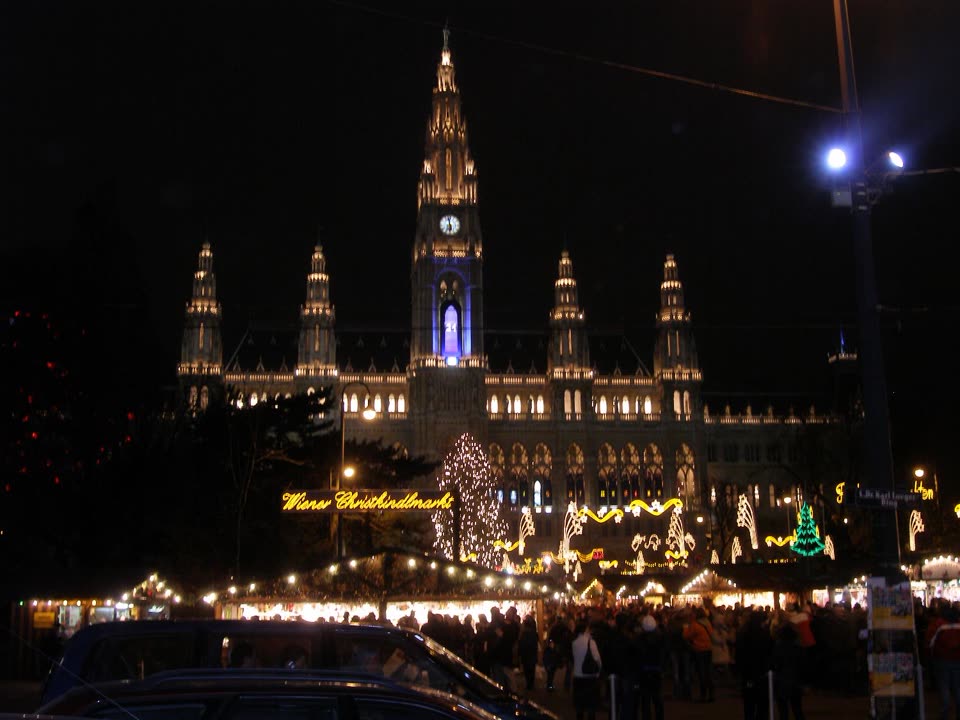
Vienna's Christmas market has been in front of the town hall since 1975
The Christkindlmarkt on the Rathausplatz is the one the world photographs, and it has stood there since 1975 — put up as a temporary measure while an underground car park was built at its previous site, and never taken down again. Before that it was at the Messepalast, where it opened on 25 November 1967 with ninety stalls. The tree in front of the Rathaus tower, first set up there in 1959 and usually around thirty metres, is its centrepiece. The market itself is much older than its address: it is the last surviving remnant of the annual-fair rights granted to the Viennese by the city charters of 1296 and 1396, and before the Christmas tree arrived in Austria it was called a Krippenmarkt — a crib market.
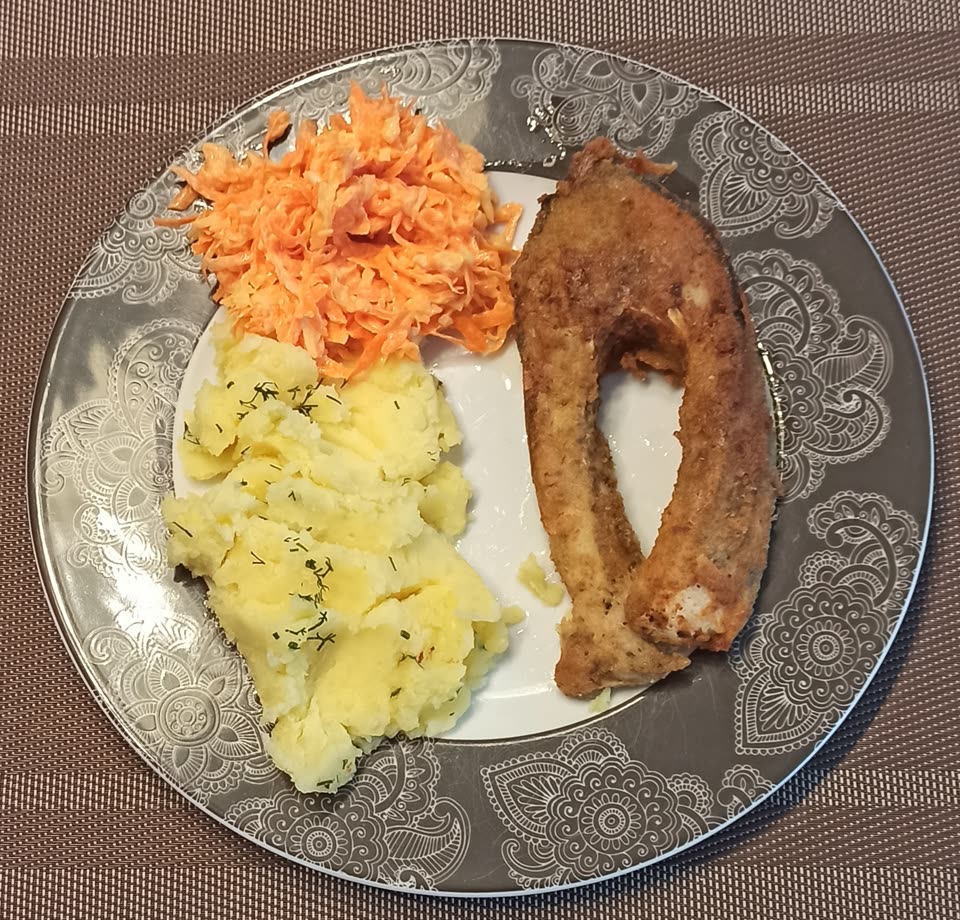
Carp, because Christmas Eve was a fast day. Meat was not allowed on it, and fish was — so in Central and Eastern Europe the carp became the Christmas meal. Austria had the fish because it had the ponds: monastery kitchens favoured carp through Lent, partly for a reason of canon law rather than taste, since the clergy were entitled to fish, which are cold-blooded, and not to hunt, which is warm-blooded. Carp pond farming here runs back to the Middle Ages and probably the twelfth century, with its height in the sixteenth. It is still eaten at New Year and on Ash Wednesday as well.
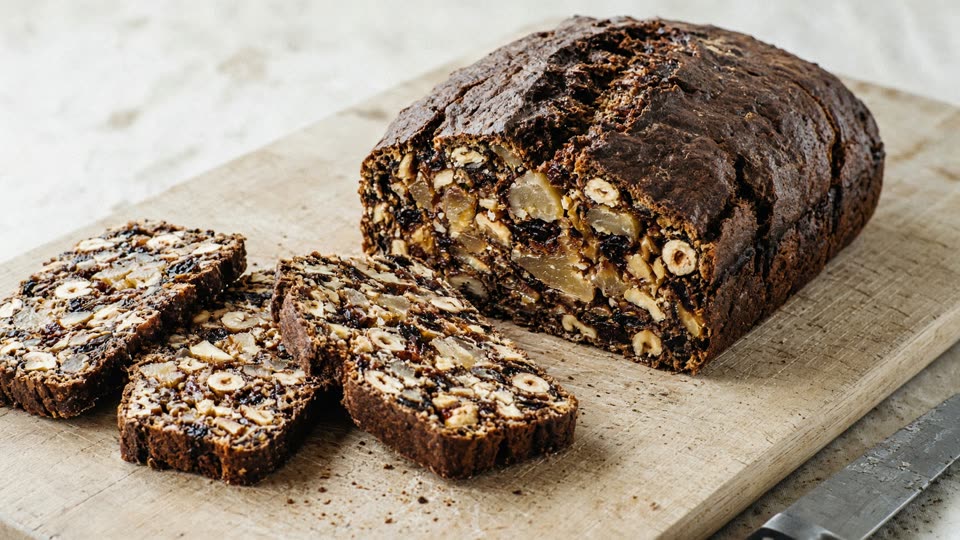
A heavy dark loaf of dried pears — Kletzen — with other dried fruit and spice, made as a roll, a round or a tin loaf. It belongs to a date rather than to a table: baking generally began around St Andrew's day, 30 November, or at Thomastag on 21 December or its eve. One corner of Upper Austria, the Hausruckviertel, left it until Christmas Eve itself, which it calls Kletzenbrotrauhnacht. The loaf was cut by the head of the household on Christmas Eve or on 26 December and handed round to the children, the farmhands and the maids. Since the Second World War, with packet flour on every shelf, the home-baked version has been going quietly out of use.
Widely repeated claims about Christmas in Austria that do not survive
checking. Each one says what is actually the case, because a correction
with nothing in its place leaves you worse off than before.
Contradicted
Christmas Eve is a public holiday in Austria.
What is actually the case. It is the most important evening of the Austrian Christmas and it is not a holiday in law. The Arbeitsruhegesetz lists thirteen Feiertage and 24 December is not among them: the December entries are 8 December, 25 December and 26 December. Heiliger Abend is when the tree is lit and the presents are given, and the statute treats it as a working day.
The Christkind is the ancient Austrian gift bringer, and the figure in the red suit is the modern intruder.
What is actually the case. The Christkind is itself the newcomer, by Austrian standards. Nikolaus — accompanied by the Krampus, and later bringing a small tree of lights with him — held a settled place in the custom long before a gift-giving Christkind did, and as late as 1817 the writer Karoline Pichler reported that by old Austrian usage it was Nikolaus who did the Bescherung. The change came in the 1830s, when the Christbaum displaced the crib as the symbol of the season and the giving moved with it. So the word doing the damage is «ancient»: the Christkind did not preserve an older Austrian arrangement, it displaced one.
Christkind — Wien Geschichte Wiki, Stadt Wien (the City of Vienna's own historical encyclopaedia)
Contradicted
Vienna's Christkindlmarkt is a medieval Christmas market.
What is actually the case. There were no Christmas markets in medieval Vienna. The City of Vienna's own historians say so and say how they know: the municipal accounts of the period record no income and no expenditure of that kind, and the seventeenth-century books survive only in patches, so no secure date can be given for a first appearance. What IS medieval is the right to hold a market at all — the Christkindlmarkt is the last surviving remnant of the annual-fair privileges granted to the Viennese by the city charters of 1296 and 1396. The market on the Rathausplatz has been there since 1975.
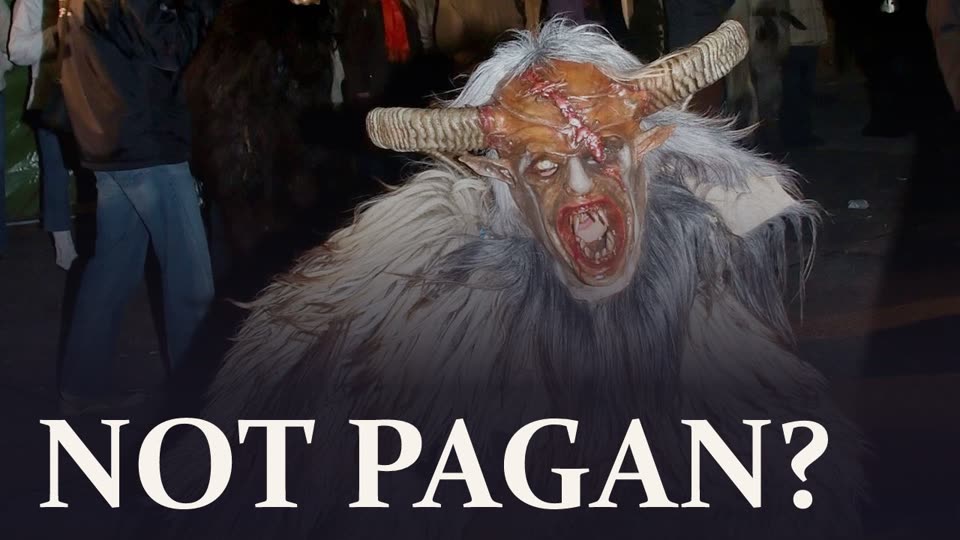
The Krampus is an ancient pagan figure who survived Christianity
What is actually the case. Nobody has found him before 1582, and the word itself is younger than that. Two anthropologists at Hamburg and Vienna summarise the record: «there is no written evidence for the practice before 1582». The one sixteenth-century trace is a payment, not a description — in Diessen in Bavaria, «those who had ‘hunted the Percht’ received a monetary reward», and «there are no details of the sequence of the rite or the costumes».
The name is the sharper point. Through the seventeenth and eighteenth centuries «reports from Bavaria, Tyrol and Salzburg abounded; however, the word Krampus is absent from all of these historical sources, which all use Percht instead».
The ancient-pagan story has a traceable modern career. In 1940 one of the largest weeklies in Nazi Germany ran a photo essay on the Gastein Perchtenumzug captioned «The ancient custom, frequently banned for its pagan roots, has kept as a precious inheritance its belief in the always recurring spring of peasant Volkskraft». Removing an imagined Christian layer from folk custom was a stated aim of National Socialist folk studies, and the authors are blunt about the scholarship behind it: «This right-wing agenda was never backed up by serious historical research.»
What is genuinely old is small: in the mid-nineteenth century only a few villages in the Austrian and Bavarian Alps, most of them on the fringes of the former Prince-Archbishopric of Salzburg. What is enormous is new.
Austria's inventory of intangible heritage lists crib-building twice over, as two different kinds of thing. The Wenner Krippentradition in Tyrol — building cribs and going to look at other people's — has been tied to the village of Wenns for more than 150 years and is listed as a social practice. The Loahmmandel of the Steyr, Enns and Steyr valley region are listed as traditional craft: crib figures in clay, either modelled freehand after the regional types or pressed from prepared moulds, and finished in half-relief.
People once believed carp had no sex and grew straight out of the bottom of the pond — which made them a fitting dish for a feast about a virgin birth. The same fish carried more. Its skull was said to hold the instruments of Christ's passion, and its bones could be assembled into a bird-shape like the Holy Spirit that would protect against witches. A small moon-shaped stone was supposed to sit above its eyes, and whoever found one at Christmas would have luck. And a dried carp scale carried in the pocket was said to bring money in the new year, which is probably about the shape of the scale: it looks like a coin.
Almost every Krampus run in Austria is younger than the people watching it. «Since the early 2000s, the number of troupes and organized events has skyrocketed. Most of these can be termed ‘invented traditions’ in Hobsbawm’s sense, as there are only a handful of places with a history of the practice from before the mid-twentieth century.»
The troupes are not organised the same way everywhere either. In the Gastein valley a Pass «consists of a peer group of five to ten male teenagers who start becoming Krampuses in their late teens, remain a troupe for around five to fifteen years and then disband, as they lack any formal legal status»; around Salzburg «the troupes are registered societies and often have dozens of members of various ages».
Luther asked for the Christkind three centuries before Austria took it. «Obwohl schon der Reformator Martin Luther (1483-1546) im Hinblick auf das Kommen des Herrn Christ zu Weihnachten eine Ablöse des Heiligen Nikolaus als Gabenbringer gefordert hatte, bürgerte sich der Christkindbrauch erst im Vormärz ein.» The reformer had called for Saint Nicholas to be replaced as the gift-bringer, in view of the coming of the Lord Christ at Christmas — and the custom did not settle in until the Vormärz, the years before March 1848. Like the Christmas tree, the Christkind belongs to the Biedermeier: «Wie der Christbaum ist das Christkind eine Erscheinung des Biedermeier. Beide entsprachen der neu entstehenden Familienkultur des 19. Jahrhunderts.»
Christkind — ABC zur Volkskunde Österreichs — Helga Maria Wolf, in Austria-Forum, Technische Universität Graz (entry created 17 September 2009, last changed 21 February 2026)
The people who carried the Christkind into Vienna were mostly Protestant, which is a fact about the people and not about the figure. «In das Wien der Kongresszeit kamen Nord-und Westdeutsche aus adeligen und bürgerlichen Kreisen. Die Innovatoren waren meist evangelisch und oft - dem Neuen schon Berufs wegen aufgeschlossene - Fabrikanten.» North and west Germans from noble and middle-class circles came to the Vienna of the Congress years; the innovators among them were mostly Protestant, and often manufacturers, men whose trade had already made them receptive to anything new.
Christkind — ABC zur Volkskunde Österreichs — Helga Maria Wolf, in Austria-Forum, Technische Universität Graz (entry created 17 September 2009, last changed 21 February 2026)
The quarrel between the Christkind and the Weihnachtsmann is a quarrel between two figures of the same age. Helga Maria Wolf records that the complaint has been growing for some years — «Seit einigen Jahren mehrt sich der Unmut, dass das Christkind durch den Weihnachtsmann verdrängt werde» — and answers it with a date: «Doch dieser wurde etwa gleichzeitig populär.» The Weihnachtsmann became popular at about the same time. The poet Hoffmann von Fallersleben had already rhymed «Morgen kommt der Weihnachtsmann» in 1835, while the Christkind was still settling in.
Christkind — ABC zur Volkskunde Österreichs — Helga Maria Wolf, in Austria-Forum, Technische Universität Graz (entry created 17 September 2009, last changed 21 February 2026)
Sources
Every claim carries its own citation. They are collected below, so you
can see what the page rests on and how much of it comes from where.
Kletzenbrot — Register der Traditionellen Lebensmittel — Bundesministerium für Land- und Forstwirtschaft, Regionen und Wasserwirtschaft (BML). Retrieved 2026-10-18.«Nach dem Kneten des Teiges für diese Weihnachtsbrote liefen die Bäckerinnen auf den nahen Anger und umarmten die Obstbäume mit ihren teigigen Händen. Die fruchtbarkeitsfördernde Kraft des Kletzenbrotes sollte eine reiche Obsternte bewirken.»«In manchen Landesteilen war es üblich, aus Teigresten und den Abfällen der Trockenfrüchte kleinere Kletzenbrote extra für die Tiere zu backen und sie ihnen als ‚Maulgabe‘ am Christtag zu verfüttern, um Glück in den Stall zu bringen. Kletzenbrotabfälle wurden auch den Armen Seelen geopfert.»«In Eferding (Oberösterreich) wurden bis vor wenigen Jahrzehnten noch aus Kletzenbrotresten an Wegkreuzungen Zauberkreise gebildet, in die sich sogenannte ‚Kreissteher‘ bei der geheimnisvollen Zukunftsschau in der Mettennacht (Nacht vom Heiligen Abend auf den Christtag) zu stellen hatten.»The register writes «liefen», «war es üblich», «bis vor wenigen Jahrzehnten».
Waldviertler Karpfen — Register der Traditionellen Lebensmittel — Bundesministerium für Land- und Forstwirtschaft, Regionen und Wasserwirtschaft (BML). Retrieved 2026-10-18. archived 19 December 2025«Während der Fastenzeit bevorzugten Stiftsküchen den Karpfen. Auch aus dem Grund, weil die Geistlichkeit zum Fischen (Kaltblütler) aber nicht zur Jagd (Warmblüter) berechtigt war. Da der Heilige Abend ebenfalls als Fasttag galt, an dem der Verzehr von Fleisch nicht erlaubt war, wurde der Karpfen zum traditionellen Weihnachtessen in Mittel- und Osteuropa. Auch zu Silvester und am Aschermittwoch wurden und werden Karpfen noch immer regelmäßig als traditionelles (Festtags-) Gericht zubereitet und serviert.»The twelfth-century date and the sixteenth-century peak are from the register's companion entry for Karpfen (Registernummer 235): «Die Karpfenteichwirtschaft in Österreich lässt sich vermutlich bis ins 12. Jahrhundert zurückverfolgen… Ihre Blütezeit war im 16. Jahrhundert», and «Die Karpfenzucht kann in Österreich bis ins Mittelalter rückverfolgt werden als Klöster mit der Anlage von Teichen begannen.»The Karpfen entry matches a search for «Weihnacht» — and every hit is in its BIBLIOGRAPHY, in the titles of works like «Der Weihnachtskarpfen» and «Karpfen – der Weihnachtsfisch».
Inklusive Weihnachten in der Wiener Hofburg — Bundespräsident der Republik Österreich, Alexander Van der Bellen, 16 December 2025. Retrieved 2026-10-17.Closing the Federal President's remarks at the inclusive Christmas party in the Hofburg: «Jetzt schon einmal: Frohe Weihnachten – und viel Kraft und Zuversicht für das neue Jahr!»
Christkind — ABC zur Volkskunde Österreichs — Helga Maria Wolf, in Austria-Forum, Technische Universität Graz (entry created 17 September 2009, last changed 21 February 2026). Retrieved 2026-11-06. archived 15 May 2026It is a sourced claim about what Luther ASKED FOR, three hundred years before the custom took hold in Austria, and the entry's own construction — «Obwohl schon… erst im Vormärz» — puts the whole weight on the gap between the two.«Vormärz» is the Austrian and German term for the years before the revolutions of March 1848, so the entry dates the custom's settling to the decades up to 1848.
The Krampus in Austria: A Case of Booming Identity Politics — Matthäus Rest and Gertraud Seiser, EthnoScripts 20(1), 2018, pp. 35–57, Universität Hamburg. Retrieved 2026-11-04. archived 10 April 2026On the age of the practice: «there is no written evidence for the practice before 1582 (Schuhladen 1992: 24)».On what the earliest record actually says: «Only in the 1980s did the ethnologist Hans Schuhladen start to work systematically through the historical records. He found no ‘pagan’ origins, and his earliest source is clearly modern: in 1582, in the Bavarian town of Diessen, those who had ‘hunted the Percht’ received a monetary reward. Unfortunately, there are no details of the sequence of the rite or the costumes.»On the name: «In the seventeenth and eighteenth centuries, reports from Bavaria, Tyrol and Salzburg abounded; however, the word Krampus is absent from all of these historical sources, which all use Percht instead to name the practice.»On where the pagan story comes from: «In 1940, one of the largest weeklies in Nazi Germany published a photo essay of the Gastein ‘Perchtenumzug’ with a convoluted caption reading, ‘The ancient custom, frequently banned for its pagan roots, has kept as a precious inheritance its belief in the always recurring spring of peasant Volkskraft [people’s strength]’.» And: «This right-wing agenda was never backed up by serious historical research, and even after the fall of Nazi Germany it took decades for this to happen.»On the scale of it now: «In Austria, the Krampus has recently witnessed an unprecedented boom. Since the early 2000s, the number of troupes and organized events has skyrocketed. Most of these can be termed ‘invented traditions’ in Hobsbawm’s sense, as there are only a handful of places with a history of the practice from before the mid-twentieth century.»
Österreichisches Verzeichnis des Immateriellen Kulturerbes — Österreichische UNESCO-Kommission. Retrieved 2026-10-17. archived 16 March 2026The inventory entry as listed: «Gesellschaftliche Praktiken | ganz Österreich | 2011 | Stille Nacht - das Lied zur Weihnacht. Das im Jahr 1818 komponierte Lied „Stille Nacht! Heilige Nacht!“ bildet für zahlreiche Menschen einen Fixpunkt des Heiligen Abends und ist für viele der Inbegriff des Weihnachtsliedes überhaupt.»
Arbeitsruhegesetz (ARG), BGBl. Nr. 144/1983, § 7 — Rechtsinformationssystem des Bundes (RIS), Bundeskanzleramt Österreich. Retrieved 2026-10-17. archived 15 July 2026Austria's holidays are in its working-time law, and the law gives a RIGHT rather than naming a date in a list of ceremonial days. § 7(1) of the Arbeitsruhegesetz: «Der Arbeitnehmer hat an Feiertagen Anspruch auf eine ununterbrochene Ruhezeit von mindestens 24 Stunden, die frühestens um 0 Uhr und spätestens um 6 Uhr des Feiertages beginnen muß.» — an employee is entitled to an unbroken rest of at least 24 hours, beginning no earlier than midnight and no later than six in the morning of the holiday.§ 7(2), the list in full: «1. Jänner (Neujahr), 6. Jänner (Heilige Drei Könige), Ostermontag, 1. Mai (Staatsfeiertag), Christi Himmelfahrt, Pfingstmontag, Fronleichnam, 15. August (Mariä Himmelfahrt), 26. Oktober (Nationalfeiertag), 1. November (Allerheiligen), 8. Dezember (Mariä Empfängnis), 25. Dezember (Weihnachten), 26. Dezember (Stephanstag).»
Stille Nacht! Heilige Nacht! — stillenacht.com, the SalzburgerLand tourism presentation of the Stille-Nacht-Orte. Retrieved 2026-10-17. archived 11 December 2023«Vor über 200 Jahren haben der Salzburger Priester Joseph Mohr und der aus Oberösterreich stammende Lehrer Franz Xaver Gruber das Lied zum ersten Mal gesungen: In der St. Nikola Kirche in Oberndorf bei Salzburg. Aus Joseph Mohrs Feder stammt das Gedicht. Vertont wurde es auf dessen Bitte hin von Franz Xaver Gruber.» And: «Am 24. Dezember 1818 erklang das Weihnachtslied zum allerersten Mal.»It sells hotel packages on the same page — «ab 290,00 pro Person für 2 Nächte» — and the root instructions draw the line precisely: the people who run an event are a primary source for that event, and a tourism board interpreting a custom is marketing.
Christkindlmarkt — Wien Geschichte Wiki, Stadt Wien. Retrieved 2026-10-18. archived 1 October 2025«1975 erhielt der Christkindlmarkt (Eröffnung 22. November) eine Heimstätte vor dem Rathaus; zunächst als Provisorium für die Zeit des Baues der Tiefgarage vor dem Messepalast gedacht, entstand eine Dauerlösung, die allseits akzeptiert wurde. Vor dem Rathausturm bildet der erstmals 1959 hier aufgestellte, meist etwa 30 Meter hohe Christbaum seither den Mittelpunkt des Christkindlmarkts.»On 1967: «1967 (Eröffnung 25. November, 90 Marktstände) zwischen Mariahilfer Straße und Burggasse vor dem Messepalast.»And on what it descends from: «ein seit alter Zeit abgehaltener Budenmarkt (vor der Einführung des Christbaums als Krippenmarkt bezeichnet). Er hat sich als letzter Rest der den Wienern durch die Stadtrechte von 1296 und 1396 erteilten Jahrmarktrechte erhalten, die noch in die Privilegsbestätigung von 1792 Aufnahme gefunden haben.»
Christkind — Wien Geschichte Wiki, Stadt Wien (the City of Vienna's own historical encyclopaedia). Retrieved 2026-10-18. archived 3 October 2025«Das Christkind ist eine Symbolfigur des Weihnachtsfestes, das dem Wiener Brauchtum zufolge den Kindern zum Weihnachtsfest Gaben und Geschenke bringt.»On how recent it is: «Nikolaus, der vom Krampus begleitete Gabenbringer (der später auch einen kleinen Lichterbaum mitbrachte), hatte viel früher seinen festen Platz im Brauchtum als das gabenspendende Christkind. Noch Karoline Pichler berichtet 1817, dass nach alter österreichischer Sitte die Bescherung durch den Nikolaus erfolgte. Erst als in den 30er Jahren des 19. Jahrhunderts der Christbaum die Krippe als Symbol der Weihnachtszeit ablöste, änderte sich auch die Gewohnheit des Schenkens.»The page says «dem Wiener Brauchtum zufolge» — according to VIENNESE custom.